






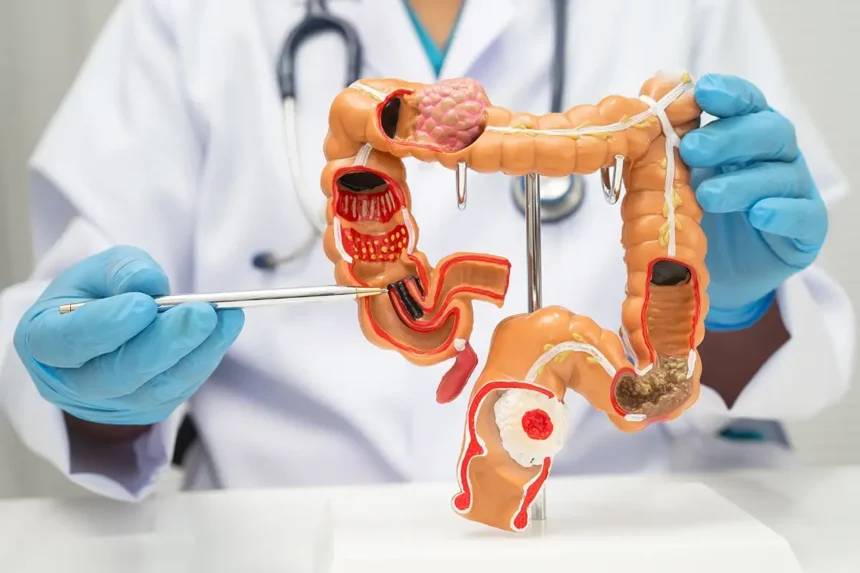
A colorectal specialist focuses on conditions affecting the colon, rectum, and anus. Primary care providers sometimes refer patients to these professionals after a screening result, or you may schedule a visit to address ongoing digestive symptoms. A first consultation often includes reviewing your records, discussing your health history, completing a possible physical exam, and outlining next steps. Here’s more information about what to expect during an initial visit with a colorectal specialist:
Gathering Your Records
Complete records give the colorectal specialist a more complete picture of your health. Call the office to find out whether you need to complete intake forms ahead of time; some practices use a patient portal while others ask you to arrive early. Submitting records early allows the specialist to review your history before the visit begins. You may need to bring these items to your appointment:
- Photo ID, insurance card, and referral paperwork
- A current list of medications, supplements, and allergies
- Reports from any prior colonoscopies, imaging, or lab work
- Notes about your family medical history
- A written list of your questions
Reviewing Your Health History
Consultations typically begin with a thorough review of your records. The specialist examines your past procedures, test results, surgeries, and current medications. If a provider referred you, the specialist also reads their notes to understand the reason for your visit. A detailed conversation about your symptoms follows; expect questions about when they started, how often they occur, and whether anything makes them better or worse. Additional topics may include:
- Bowel habits
- Diet
- Fluid intake
- Weight changes
Answer each question as accurately as you are able; specific details help the specialist determine which steps make sense for your situation. Family history is another key focus of this discussion. The specialist may ask about relatives who have had colon polyps, colorectal cancer, or inflammatory bowel disease. Write down what you know before the appointment, since these details can be easy to overlook during the visit itself.
Completing a Physical Exam
Depending on your symptoms, specialists sometimes perform a physical exam during the first visit. This might include an abdominal exam, an external exam of the anal area, or a digital rectal exam. In select situations, the specialist uses a short instrument called an anoscope to view the anal canal; your provider will explain each step before proceeding.
Planning Next Steps
At the end of the consultation, the specialist will discuss their findings and outline a plan tailored to your situation. Next steps sometimes include further testing, such as a colonoscopy or lab work; colonoscopies help detect cancer early. The plan may also involve dietary guidance, a prescription, a follow-up visit, or a referral to another provider.
Before you leave, confirm who will contact you and what that communication will cover. Ask for written instructions about any upcoming tests, including prep steps and scheduling details. Find out how the office shares results and how long the process typically takes, so you know what to expect after the visit.
Meet With a Colorectal Specialist
A colorectal consultation typically begins with a review of your medical history, current symptoms, and any previous test results. Before your appointment, write down when your symptoms began and how often they occur. Note any changes in bowel habits, bleeding, pain, or discomfort. These details allow your specialist to fully understand your concerns, and they help them determine whether additional testing or treatment is needed. Contact the specialist’s office before your visit to confirm which records to bring, and ask whether any preparation is required.