






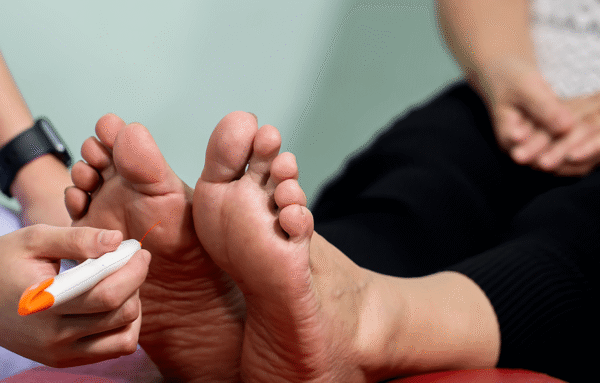
Neuropathy involves damage to nerves outside the brain and spinal cord, sometimes resulting from diabetes, injuries, or autoimmune conditions. Common symptoms include numbness, tingling, burning sensations, and muscle weakness, particularly in the hands and feet. Because symptoms vary in severity and sometimes affect balance, sleep, or daily activities, medical evaluations help identify underlying causes and appropriate treatments. Here is more information about symptoms of neuropathy:
Common Neuropathy Symptoms
Neuropathy symptoms vary depending on whether sensory, motor, or autonomic nerves are affected. Sensory nerve damage often causes numbness, tingling, or burning sensations, while motor nerve damage affects muscle strength and coordination. Because autonomic nerves regulate involuntary functions, damage to these nerves sometimes affects digestion, blood pressure, or bladder control. Common symptoms include:
- Experiencing numbness or tingling in the extremities
- Developing sharp, stabbing, or burning pain
- Noticing increased sensitivity to touch
- Experiencing muscle weakness or poor coordination
- Developing changes in bladder or bowel function
Neuropathy symptoms sometimes develop gradually, beginning with mild sensations in the toes, feet, or hands. Some individuals experience persistent discomfort, while others notice changes in balance, movement, or sensitivity over time. Although symptoms differ between patients, ongoing nerve damage sometimes leads to complications that interfere with daily activities. Medical evaluations help identify possible causes and guide treatment recommendations based on individual symptoms.
Underlying Causes of Neuropathy
Neuropathy develops from various conditions that damage peripheral nerves and interfere with normal nerve function. Diabetes is a common cause, as prolonged elevated blood sugar levels can gradually damage nerves, particularly in the feet. Autoimmune diseases and metabolic disorders also contribute to neuropathy through inflammation or changes affecting nerve health. Because underlying causes vary, providers review medical histories and symptoms to identify possible contributing conditions.
Physical injuries, including falls and vehicle accidents, sometimes damage or compress nerves, leading to pain, numbness, or weakness. Symptoms may appear immediately after an injury or develop gradually as surrounding tissues become inflamed. Other contributing factors include certain medications, nutritional deficiencies, and prolonged nerve compression. Medical evaluations help determine the underlying cause and guide treatment recommendations based on individual findings.
Diagnosis and Evaluation Options
Neuropathy evaluations typically begin with a review of symptoms, medical history, and recent injuries or underlying health conditions. Providers assess symptom location, duration, and progression to identify possible patterns of nerve damage. Physical examinations often include testing reflexes, muscle strength, coordination, and sensitivity to touch or temperature. Because several conditions produce similar symptoms, additional diagnostic testing may help identify underlying causes and assess nerve function. Patients experiencing persistent numbness, tingling, or weakness should seek medical evaluation to discuss appropriate testing and treatment options.
Treatment Approaches for Neuropathy
Neuropathy treatment focuses on managing symptoms, addressing underlying causes, and supporting daily function. Providers evaluate nerve damage, medical history, and pain severity before recommending appropriate treatment options. Although medications help manage nerve pain, some practices also offer regenerative procedures such as platelet-rich plasma (PRP) injections. However, PRP and stem cell therapies remain investigational for neuropathy, and their ability to repair damaged nerves remains unproven. Treatment approaches may include:
- Managing nerve pain with prescription medications
- Addressing underlying medical conditions
- Improving mobility through physical therapy
- Reducing pressure on affected nerves
- Exploring investigational PRP treatments
- Discussing investigational stem cell therapies
- Monitoring symptoms through follow-up evaluations
Schedule a Neuropathy Evaluation
Neuropathy symptoms include numbness, tingling, burning pain, and muscle weakness that sometimes interfere with daily activities. Because nerve damage has several possible causes, medical evaluations help identify underlying conditions and assess nerve function. Early diagnosis allows providers to recommend appropriate treatments, manage symptoms, and monitor changes in nerve health. Schedule a neuropathy evaluation today to discuss your symptoms, explore diagnostic options, and develop a personalized treatment plan.