






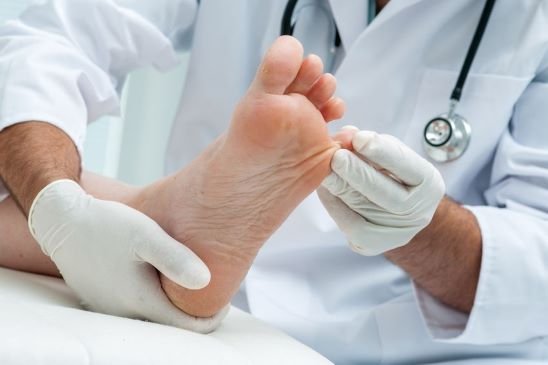
Diabetes can affect circulation, nerve function, and wound healing, increasing the risk of foot injuries and infections. Foot specialists examine the feet for changes in sensation, skin damage, and circulation while providing guidance on preventive care. Because numbness sometimes hides developing problems, routine foot examinations help identify concerns early and guide appropriate treatment. Here is more information about the role of foot specialist care for diabetic patients:
Preventing Nerve Damage Complications
Diabetic neuropathy damages nerves and gradually reduces sensation in the feet, making injuries harder to detect. Patients may not notice blisters, cuts, or pressure from poorly fitting shoes. Because diabetes also affects circulation and wound healing, untreated injuries sometimes develop into infections or more serious complications.
A foot specialist evaluates nerve function during routine examinations using tools such as monofilaments to assess protective sensation. These assessments help identify sensory changes that patients might overlook during daily activities. When neuropathy is detected, providers recommend protective footwear, pressure management, and appropriate follow-up care. Regular examinations also allow specialists to monitor changes in foot health over time.
Daily foot inspections help patients identify redness, swelling, blisters, and skin injuries before complications develop. Mirrors and adequate lighting make examining the soles and other hard-to-see areas easier. Because diabetes sometimes causes dry or cracked skin, providers also recommend appropriate moisturizing practices. Patients should report new wounds, discoloration, or unusual swelling promptly for professional evaluation.
Treating Wounds and Ulcers
Diabetic foot ulcers require prompt evaluation because impaired circulation and reduced sensation can interfere with wound healing. Specialists assess wounds, remove damaged tissue when appropriate, and apply dressings to support recovery. Because pressure can delay healing, providers are able to recommend offloading devices, protective padding, and regular follow-up appointments. Warning signs that require medical attention include:
- Noticing redness spreading beyond the wound
- Observing unusual drainage or odor
- Experiencing increased swelling or warmth
- Developing fever or chills
- Identifying changes in wound color
- Noticing worsening pain or tenderness
Managing Diabetes With Orthotics
Custom orthotics help redistribute pressure across the feet, reducing friction and pressure points that contribute to diabetic foot ulcers. Foot specialists evaluate foot structure, walking patterns, and areas of increased pressure before recommending appropriate orthotic devices. Because diabetes sometimes affects foot sensation and circulation, properly fitted footwear supports protection against unnoticed injuries.
Diabetic footwear often features wider toe boxes, supportive cushioning, and adequate space to accommodate changes in foot shape. These features help minimize rubbing and pressure, while custom orthotics provide additional support based on individual needs. Foot specialists also monitor footwear fit during routine appointments to identify changes that affect comfort and protection. As foot structure changes over time, periodic adjustments help maintain proper support and reduce the risk of skin irritation.
Schedule With a Foot Specialist
Diabetic foot care involves routine examinations, protective footwear, and prompt attention to changes in skin condition or sensation. Foot specialists evaluate circulation, nerve function, and potential injuries to identify concerns before complications develop. Because diabetes affects patients differently, providers recommend personalized care plans based on individual risk factors and foot health. Schedule a diabetic foot exam today to discuss your concerns, explore preventive care options, and support long-term foot health.