




Medical spas combine a traditional day spa with a clinical setting, giving patients a way to address skin health and cosmetic concerns. This setting brings together technology, topical products, and procedure-based care so patients can follow a consistent plan to support their skincare goals. Here’s information on medical wellness centers and how they focus on personalizing skincare approaches to build comprehensive care plans:
Dermablading Treatments
A wellness center offers skin-focused services and supports clients with consultation, treatment planning, and guidance on at-home routines. One treatment option is dermablading, which uses a sterile blade to gently remove dead skin cells and fine facial hair. This creates a smooth skin surface that supports more even product application. This skincare treatment works on the top layer of the skin, and it targets dull texture that builds up over time. Some patients pair this service with hydrating masks or serums, while others use it periodically between more intensive procedures.
Microneedling Treatments
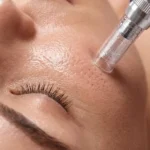
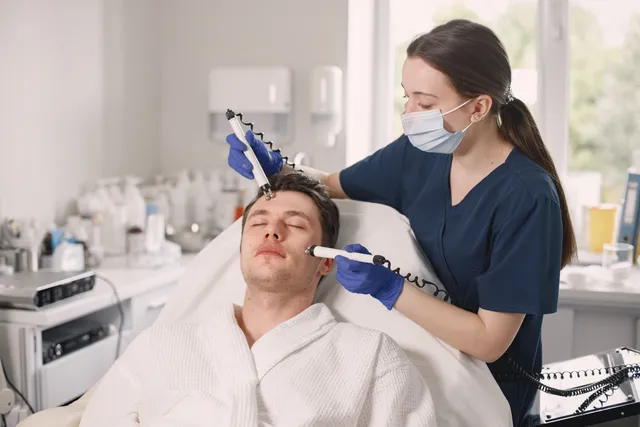
Microneedling uses fine needles to create controlled micro-injuries in the skin, promoting new collagen and elastin production. This treatment involves a device that moves across the skin’s surface in a pattern, and settings are selected based on skin type and goals. When a wellness clinic integrates microneedling into a plan, they track how the skin responds over multiple sessions. Topical products used after treatment need to match the temporary increase in skin absorption, so they are selected with ingredient sensitivity in mind.
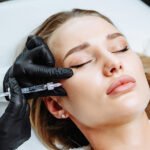
Microneedling schedules often space sessions several weeks apart, which supports the natural remodeling process. Some patients focus on texture and pore appearance, while others aim to support the appearance of fine lines or past acne marks. Home routines between sessions often include gentle cleansing, daily sunscreen, and targeted serums that align with the in-office treatments. Microneedling sessions may reduce skin concerns like:
- Sunspots
- Hyperpigmentation
- Scaring
- Wrinkles
- Large Pores
Laser Skin Resurfacing Treatments
Laser skin resurfacing uses focused light energy to target specific skin layers, and settings vary by device and treatment goals. The approach ranges from lighter, fractional options to deeper resurfacing, and each path involves a different level of downtime. Before discussing how treatments work, a medical spa specialist will evaluate an individual’s skin tone, texture, and medical history, and use that information to determine appropriate laser settings.
A structured plan includes pre-treatment skincare to support skin barrier health and guidance on what to avoid before the procedure. After laser resurfacing, the skin goes through a recovery period, and follow-up care directly affects the final results. Patients receive instructions on cleansing, moisturizing, and sun protection, and return for assessments that document progress. When laser treatments are combined with services such as dermablading or microneedling, scheduling is planned so that the skin has time to recover between modalities.
Schedule a Wellness Center Visit
A consultation visit lets you review current skincare routines, discuss concerns such as texture or tone, and map out which treatments fit your schedule and goals. Everyone has unique features, and a med spa can support your skin health. For personalized advice, contact a wellness facility to determine which treatments are appropriate for you.