





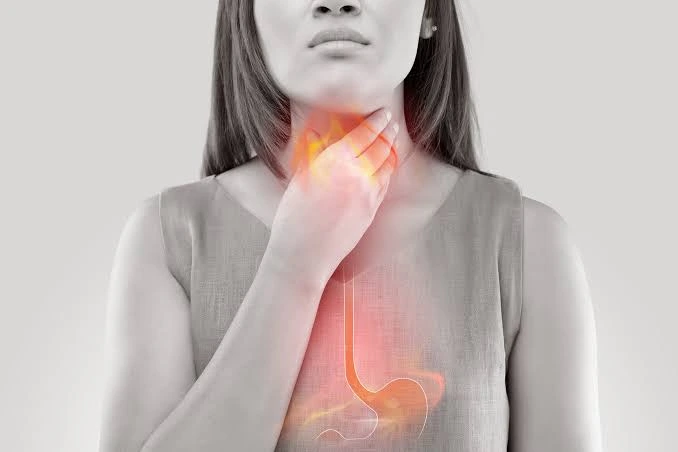
Acid reflux occurs when stomach contents flow backward into the esophagus, the muscular tube that carries food from the mouth to the stomach. When stomach acid reaches the esophagus repeatedly, it can irritate and gradually damage the tissue lining this passage. Over time, frequent exposure may lead to inflammation and changes in the cells that line the esophagus. Learn more about understanding the link between acid reflux and esophageal damage.
Signs of Acid Reflux
Acid reflux can produce a range of symptoms. Some are obvious, while others are easy to attribute to unrelated conditions. Common signs include:
- A burning sensation in the chest, known as heartburn, often after eating
- Regurgitation of sour or bitter fluid into the throat or mouth
- Difficulty swallowing or the sensation of food lodged in the chest
- Chronic cough, hoarseness, or a persistent need to clear the throat
- Chest discomfort that worsens when lying down or bending over
- Nausea or a feeling of fullness after small meals
These symptoms often intensify after large or high-fat meals and during the night. Because reflux-related chest pain can resemble the pain of a heart attack, any sudden or severe chest pain requires immediate emergency evaluation.
Esophagitis
Esophagitis is inflammation of the esophageal lining. Although infections and allergic reactions can cause it, acid reflux is also a common source. When acid, digestive enzymes, and sometimes bile repeatedly contact the esophagus, they wear away the surface tissue and trigger an inflammatory response.
People with esophagitis may experience painful swallowing, difficulty swallowing, or chest discomfort that persists between meals. Without treatment, the inflammation can progress to open sores called ulcers, which may bleed. As the tissue heals and becomes damaged again, scar tissue can form and narrow the esophagus.
GERD
GERD develops when the lower esophageal sphincter, a ring of muscle between the esophagus and stomach, weakens or relaxes at inappropriate times. Normally, this muscle closes tightly after food passes into the stomach. When it fails to close properly, acid can move upward freely.
Several factors increase the likelihood of GERD, including excess body weight, pregnancy, smoking, hiatal hernia, delayed stomach emptying, and certain medications. Some foods and beverages, like chocolate and caffeine, may also trigger symptoms. Nighttime reflux can also be a factor when considering GERD.
Esophageal Cancer Risks
Long-standing GERD can lead to a condition called Barrett’s esophagus. In this condition, the normal cells lining the lower esophagus are replaced by cells that resemble those found in the intestine. This change is thought to be the body’s response to chronic acid exposure.
Barrett’s esophagus increases the risk of esophageal adenocarcinoma, a type of cancer that develops in the lower esophagus. Factors that raise the likelihood of Barrett’s esophagus include many years of reflux symptoms and a history of smoking. Progressive difficulty swallowing, unintended weight loss, vomiting blood, or black stools require immediate medical attention.
Treat Acid Reflux
Effective treatment for reflux can relieve symptoms, allow damaged tissue to heal, and reduce the risk of long-term complications. Lifestyle changes, like eating smaller meals, can also help keep acid reflux at bay. If you experience frequent reflux symptoms, consult a physician or gastroenterologist.