






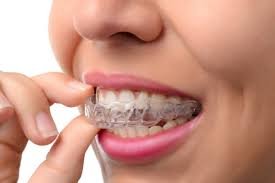
Clear aligners move teeth gradually through a series of custom-made and removable trays. Each tray applies pressure to specific teeth, moving them in small steps according to an orthodontic treatment plan. Here is an overview of how clear aligners work:
Planning Tooth Movements
Treatment for clear aligners starts with a detailed plan that maps how each tooth will move. The dentist studies your bite and reviews crowding, spacing, and jaw relationships. A digital model of your teeth is created, and it predicts how they will shift. The plan determines how many aligner sets you need and the direction of each movement.
Scans and Digital Models
The process usually begins with digital scans instead of traditional impression material. A handheld scanner passes over your teeth and records thousands of data points. The software links these points together, and it builds a three-dimensional image of your mouth. The dentist reviews this model from different angles and identifies the changes needed for alignment.
Design of Aligner Stages
Once the final tooth positions are defined, the software breaks the journey into small stages. Each stage becomes one aligner set, and each set moves teeth a short distance. The trays are fabricated in sequence, following the digital plan step by step. Teeth respond to these staged adjustments, and the bite gradually reaches the planned outcome.


Moving Teeth With Pressure
Clear aligners work because teeth respond to gradual and low force over time. The plastic trays fit slightly tighter than your current tooth position, creating pressure. The bone around the roots remodels as this pressure stays consistent, and the teeth shift through the bone. Aligners usually move teeth in small increments, supporting controlled, predictable changes.
Each new set of trays feels snug at first, and that feeling usually fades after a few days. The fit loosens as the teeth move, signaling that the current stage is nearly complete. Dentists often combine aligners with small, tooth-colored attachments, which help direct forces more precisely. Aligners grip the attachments in specific areas, and they rotate or tip teeth as planned.
Following Your Wear Schedule
A plan for clear aligners depends on consistent wear, and the schedule keeps the process on track. Some people receive a series of trays with instructions on when to switch. Aligners are removable for meals and cleaning, but they need long daily wear to stay effective. Here is an overview of the wear schedule:
- Daily wear time: Aligners usually need 20 to 22 hours of wear, and shorter use slows tooth movement.
- Changing to the next set: Each set is worn for a set number of days, and switching early disrupts the sequence.
- Eating and drinking: Take trays out for meals, and keep them out for hot drinks that may warp the plastic.
- Cleaning the trays: Rinse aligners with cool water and brush them gently to reduce buildup and odors.
- Regular check-ins: Periodic visits let the dentist compare progress with the plan and make adjustments as needed.
Maintaining Results With Retainers
Once the last set of clear aligners finishes its work, the teeth need support to remain in their new positions. Bone and ligaments around the roots are still adapting, and they tend to pull teeth backward. Retainers hold everything in place while these tissues stabilize, and they reduce the risk of relapse. Some retainers look similar to aligners, and they are worn on a different schedule.
Schedule Your Clear Aligners Appointment
Clear aligners follow a straightforward approach, including digital planning, gentle tooth movement, and long-term retention. Each step relies on accurate models, consistent wear, and follow-up care that tracks how teeth respond. Contact a qualified dentist near you to schedule your clear aligners appointment today.