





You notice them one day — thin red, blue, or purple lines branching across your legs, like a tiny spider’s web. They do not hurt, but every time you wear shorts or swimwear, you think about them.
You are not alone. Spider veins are one of the most common skin concerns, especially for women, and they are also one of the easiest to treat. This guide explains what they are, why they appear, and how to remove spider veins safely.
What Are Spider Veins?
Spider veins are small, damaged veins visible on the surface of the skin. They usually appear as a dotted, purplish, blue, or red area on the legs, and in rare cases on the face, as thin branches.
They happen when tiny valves inside the veins stop working properly. When they weaken, blood pools inside the vein, causing it to enlarge and branch out like a spider’s web.
Spider veins originate near the surface of the skin. They usually do not cause pain, but their appearance worries many people. The good news is that they are easily treatable.
Spider Veins vs Varicose Veins: What Is the Difference?
People often confuse the two, but they are different problems.
Spider veins are small, thin, and close to the surface. They are mostly cosmetic — they look worrying, but they are not usually dangerous.
Varicose veins are larger, twisted, and bulging, developing deep in the leg. They worsen when you stand for a long time, can cause discomfort, swelling, and heaviness, and can lead to serious complications.
Importantly, spider veins do not cause or contribute to varicose veins. They are separate conditions, even though both are types of venous insufficiency.
What Causes Spider Veins?
Spider veins develop when tiny blood vessels under the skin dilate, or when vein valves weaken. Common causes include:
- Genetics and family history — if your parents had them, you are more likely to get them
- Prolonged standing or sitting — especially for people whose jobs keep them on their feet all day
- Hormonal changes during pregnancy — pregnancy puts extra pressure on the veins in the legs
- Ageing and reduced elasticity — veins lose their firmness over time
- Sun damage — especially for spider veins on the face
What Are the Symptoms?
Most people with spider veins have no symptoms at all — just the visible lines. Some people, however, notice:
- Mild pain or a burning sensation in the legs
- Swelling or heaviness in the legs
- Itching or throbbing after long periods of standing
If your legs feel heavy, swollen, or painful, tell your doctor. It may be a sign of a deeper vein problem, and it is worth checking before you choose a cosmetic treatment.
How Are Spider Veins Removed?
At New Al Shefa Clinic JLT, specialists use laser vein therapy — a safe, proven technique for spider vein removal.
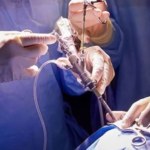
Here is how it works. A high-precision laser targets the spider veins with light. The laser gently heats the affected veins, causing them to collapse and fade away over time, without damaging the surrounding skin.
The treatment is performed by experienced doctors, with minimal discomfort and no major downtime. Most people return to normal activities the same day. The results are long-lasting, although new spider veins can appear over time, especially if the cause — like genetics or prolonged standing — is still there.
How quickly you see a result depends on the amount of spider veins being treated and on you as an individual. Many patients notice a dramatic change in how their legs look, as the treated veins progressively disappear over a few weeks or months.
What About Spider Veins on the Face?
Facial spider veins happen when tiny blood vessels become dilated or damaged. Triggers include sun exposure, ageing, genetics, hormonal changes, rosacea, alcohol use, and high blood pressure.
Facial spider veins can be safely treated with non-invasive medical procedures. The best approach is a free consultation with a vein or aesthetic specialist, who can design a personalised treatment plan for your skin.
Can You Prevent Spider Veins?
Not always — especially if they run in your family, or are caused by ageing. But you can lower your risk and slow their development with healthy habits:
- Exercise regularly to improve circulation
- Maintain a healthy weight
- Avoid long periods of standing or sitting — move around, and raise your legs when you rest
- Protect your face from the sun with sunscreen
These habits will not erase veins you already have, but they can help stop new ones from forming, and they are good for your legs in general.
Can You Tattoo Over Spider Veins?
Technically, yes — but it is not usually recommended. Tattoo needles can irritate the fragile blood vessels, which can cause bleeding, poor healing, or distortion of the tattoo design. In some cases, the ink may not hold well over the vein, making the tattoo look uneven.
If you are considering a tattoo in an area with spider veins, it is best to consult a vein specialist first. In many cases, it is better to treat the veins first, and get the tattoo afterwards.
Why Many People Choose New Al Shefa Clinic
One clinic many Dubai residents trust is New Al Shefa Clinic in JLT, located at HDS Business Centre, Cluster M, Jumeirah Lake Towers, Dubai. The clinic lists four reasons people choose it for spider vein treatment:
- Highly qualified vein and aesthetic specialists
- FDA-approved techniques and advanced technology
- Personalised treatment plans tailored to your needs
- A comfortable clinic environment in JLT, Dubai
The clinic offers a free consultation, so you can discuss your veins, ask questions, and get a plan made for you — with no pressure to book.
Frequently Asked Questions
Do spider veins hurt?
Usually not. They are mostly cosmetic, though some people feel mild pain, burning, or heaviness after standing for a long time.
How long does it take for spider veins to fade after laser treatment?
Treated veins progressively disappear over a few weeks or months. The exact time depends on the amount treated and on you.
Are spider veins the same as varicose veins?
No. Spider veins are small and near the surface, while varicose veins are larger, deeper, and can cause serious complications.
Can spider veins come back after treatment?
The treated veins fade, but new ones can appear over time, especially if the cause is still there. Healthy habits help slow this down.
Final Thoughts
Spider veins are common, they are usually harmless, and they are very treatable. If they bother you — whether you want to wear shorts again, or you just want to stop thinking about them — a laser treatment can make a real difference, with minimal discomfort and no major downtime.
Book a free consultation, ask what the treatment involves, and take your time to decide. Your legs will thank you for it.