






Pituitary tumours grow in the pituitary gland; a small but vital gland found at the base of the brain. This gland controls many important functions of the organism including growth, metabolism, reproduction and hormone production. Most pituitary tumours are benign but they can cause problems with hormone levels, eyesight and general health.
For selected patients, modern surgical procedures provide successful therapy alternatives. Endoscopic Surgery for Pituitary Tumors in Mumbai is a minimally invasive technique that allows neurosurgeons to reach and remove tumours through the nasal passages without making an exterior incision on the skull.
Dr Raghvendra Ramdasi offers expert neurosurgical care and assists patients in comprehending their diagnosis, treatment options and surgical needs.
What Is Endoscopic Pituitary Tumor Surgery?
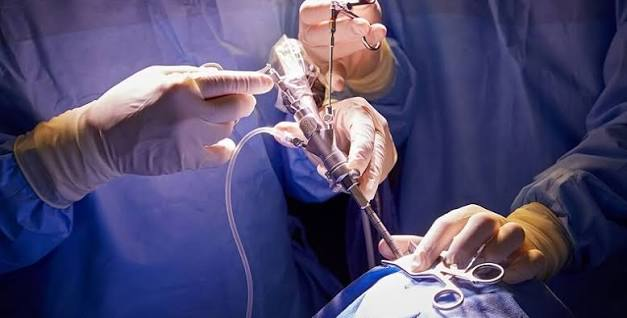
Endoscopic pituitary surgery is a minimally invasive treatment that involves inserting a narrow endoscope with a camera and light via the nose to reach the pituitary gland. The surgeon uses specific equipment that are inserted into the nasal passages to access the tumour.
This technique is called endoscopic endonasal pituitary surgery and can skip the standard open brain surgery procedure in eligible instances.
Before suggesting an operation, the surgeon looks at the size of the tumour, where it is, if it’s producing hormones and how it sits next to neighbouring tissues.
Benefits of Minimally Invasive Pituitary Surgery
There are a number of possible advantages of minimally invasive pituitary surgery compared to traditional surgical methods.
Features and benefits are:
• No external incision on skull: The surgeon takes out the tumour through the nasal passages.
• Improved visualisation: The endoscope offers a magnified view of the operative field.
• Less tissue damage: There is no need to open the skull for the surgery.
• Potential for quicker recovery: Many appropriate patients recover more quickly.
• Partial removal of the tumour: The surgeon might approach the area of the pituitary using special devices.
However, results and recovery depend on tumour features, patient health and surgery complexity.
When Does a Patient Need Pituitary Gland Surgery?
Surgery is not required for all pituitary tumours. Some minor tumours need to be monitored regularly, while others need medication or surgical treatment.
When a pituitary tumour A neurosurgeon may propose surgery when
• Presses on the optic nerves and affects vision.
• Increased hormone production.
• Continues to grow under surveillance.
• Leads to chronic headaches or neurological problems.
• Compresses adjacent brain structures.
Patients should get the right imaging, hormone levels and vision tests before choosing a treatment.
Choosing the Best Hospital for Pituitary Tumor Surgery in Mumbai
In the treatment of pituitary tumours, selecting the right hospital is crucial. Patients should look at the experience of the neurosurgical team, endoscopic surgical facilities, diagnostic support and post-operative care.
Here are some things to consider when picking a hospital:
• Availability of modern endoscopic surgical equipment’s.
• Experience in the treatment of pituitary and skull-base tumours.
• Availability of endocrinology and ophthalmology specialists.
• Post-operative monitoring and intensive care facilities.
• Availability of long-term follow-up.
Patients should also have discussions with their treating neurosurgeon regarding expected treatment results, probable complications and recovery needs.
Pituitary Tumour Treatment by Dr. Raghvendra Ramdasi
Dr. Raghvendra Ramdasi provides neurosurgical expertise in the evaluation and management of complicated disorders of the brain and pituitary gland. He helps patients understand their treatment options and whether minimally invasive surgery is right for them.
When seeking for the Best Pituitary Tumour Surgeon in India, patients should look for the surgeon’s credentials, relevant surgical experience, approach toward treatment and patient care.
Endoscopic Surgery for Pituitary Tumours in Mumbai may be a viable therapeutic option for the select patients. Early referral to a specialist helps to define the nature of the tumour and to plan appropriate therapy.
If you have recurrent headaches or changes in your eyesight or hormonal symptoms, you should see a neurosurgeon who can properly evaluate you.