




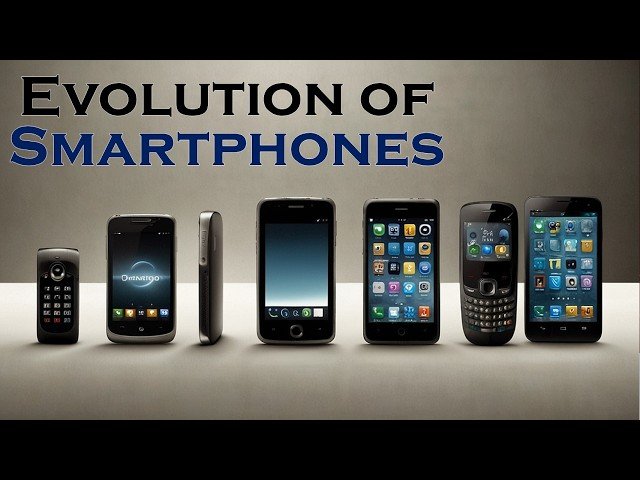
Smartphones have become an essential part of modern life, transforming the way people communicate, work, learn, and entertain themselves. What began as simple mobile phones designed for voice calls has evolved into powerful handheld computers capable of performing a wide range of tasks. The evolution of smartphones and mobile technology reflects decades of innovation, shaping the digital world we live in today.
The Early Days of Mobile Phones
The journey of mobile technology started in the 1970s and 1980s when the first mobile phones were introduced. These devices were large, expensive, and primarily used for voice communication. Due to limited network coverage and high costs, mobile phones were mainly accessible to businesses and wealthy individuals.
As technology improved, mobile phones became smaller, more affordable, and widely available to the general public. Features such as text messaging and contact storage gradually enhanced their functionality.
The Birth of Smartphones
The concept of smartphones emerged in the 1990s when manufacturers began combining communication capabilities with computing functions. Early smartphones offered features such as email access, calendars, and basic internet connectivity.



A major breakthrough occurred in 2007 with the introduction of touchscreen smartphones, which revolutionized the mobile industry. These devices provided intuitive user interfaces, improved internet browsing, and access to a growing ecosystem of applications.
The Rise of Mobile Applications
One of the most significant factors behind smartphone success has been the development of mobile applications. App stores enabled developers to create software for a variety of purposes, including productivity, entertainment, education, health, and social networking.
Today, millions of applications are available, allowing users to perform tasks such as online banking, shopping, video streaming, navigation, and remote work directly from their smartphones.
Advances in Mobile Hardware
Modern smartphones are equipped with powerful processors, high-resolution displays, advanced cameras, and large storage capacities. These improvements have transformed smartphones into versatile devices capable of handling demanding tasks.
Key hardware advancements include:
- Multi-core processors for faster performance
- High-definition and OLED displays
- Professional-grade camera systems
- Facial recognition and fingerprint security
- Long-lasting batteries with fast charging technology
These innovations continue to improve the user experience and expand the capabilities of mobile devices.
The Impact of Mobile Internet
The development of mobile internet technologies has played a crucial role in smartphone evolution. From 2G networks that enabled text messaging to modern 5G networks supporting high-speed data transmission, connectivity has continuously improved.
Faster internet speeds allow users to stream videos, participate in virtual meetings, play online games, and access cloud-based services with minimal delays. Mobile internet has also contributed to the growth of digital businesses and remote work opportunities worldwide.
Artificial Intelligence in Smartphones
Artificial Intelligence (AI) has become a core component of modern smartphones. AI-powered features help devices understand user behavior, improve photography, enhance security, and optimize battery performance.
Examples of AI integration include:
- Voice assistants
- Real-time language translation
- Smart photo enhancement
- Predictive text suggestions
- Personalized recommendations
As AI technology advances, smartphones will become even more intelligent and responsive to user needs.
The Emergence of Foldable and Flexible Devices
Recent innovations have introduced foldable smartphones that combine the portability of a phone with the larger screen experience of a tablet. Flexible display technology represents a new phase in smartphone design, offering greater versatility and multitasking capabilities.
As manufacturing techniques improve, foldable devices are expected to become more durable, affordable, and widely adopted.
Mobile Technology and the Internet of Things (IoT)
Smartphones now serve as central hubs for managing Internet of Things (IoT) devices. Users can control smart home appliances, security systems, wearable devices, and connected vehicles directly from their phones.
The integration of smartphones with IoT technology is creating a more connected and efficient digital ecosystem, making everyday life more convenient and automated.
Future Trends in Smartphone Technology
The future of smartphones is expected to bring even more innovation. Emerging technologies are likely to focus on improved connectivity, enhanced AI capabilities, and immersive digital experiences.
Some anticipated trends include:
- Wider adoption of 5G and future 6G networks
- Advanced augmented reality (AR) experiences
- Improved battery technology
- Greater integration with wearable devices
- More sustainable and eco-friendly smartphone designs
- Enhanced privacy and security features
These developments will continue to redefine how people interact with technology.
Conclusion
The evolution of smartphones and mobile technology has transformed communication and reshaped modern society. From basic mobile phones to AI-powered smart devices, technological advancements have significantly improved connectivity, productivity, and convenience. As innovation continues to accelerate, smartphones will remain at the center of the digital experience, playing an increasingly important role in both personal and professional life.