

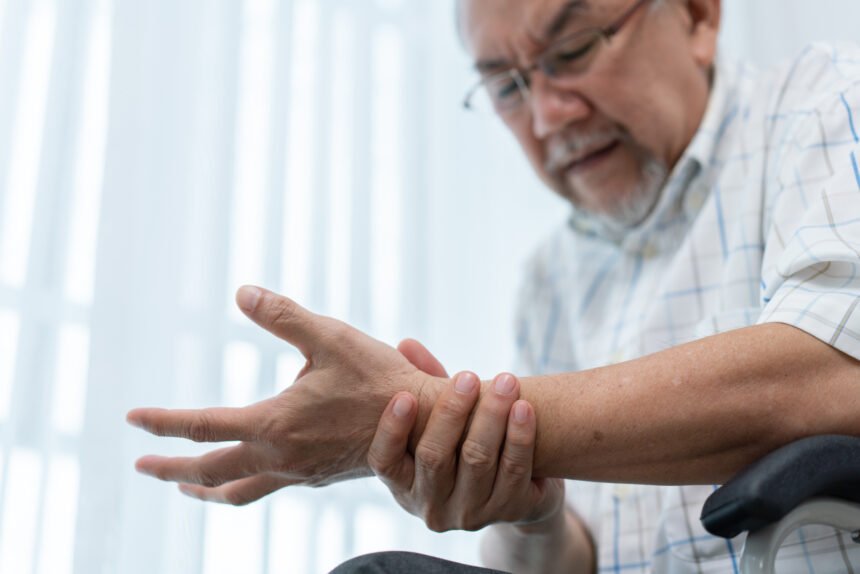
Orthopedic surgeons diagnose and treat conditions affecting bones, joints, ligaments, tendons, and muscles. Common conditions include arthritis, fractures, herniated discs, and rotator cuff tears; causes range from injury and repetitive strain to aging and genetic factors. A condition’s severity influences the appropriate course of treatment, so patients may receive physical therapy, medication, or surgery when conservative measures are ineffective. Here is more information on orthopedic surgeons, the conditions they treat most frequently, and the available treatment options:
What Is an Orthopedic Surgeon?
An orthopedic surgeon specializes in diagnosing and treating disorders of the musculoskeletal system, which encompasses bones, joints, ligaments, tendons, and muscles. Some focus on specific areas, such as the spine. Others treat a broader range of conditions, and this flexibility allows them to address diverse patient needs across multiple body systems.
What Are Common Orthopedic Conditions?
Orthopedic surgeons treat a wide range of musculoskeletal conditions that affect joints, bones, and soft tissue.
- Arthritis: Includes osteoarthritis, caused by cartilage breakdown, and rheumatoid arthritis, which stems from an autoimmune response.
- Fractures and herniated discs: Acute injuries that compromise the structural integrity of bones and spinal discs.
- Rotator cuff tears: Damage to the tendons surrounding the shoulder joint, frequently caused by repetitive motion or acute trauma.
- Carpal tunnel syndrome and tendinitis: Conditions commonly associated with repetitive occupational demands, leading to pain and reduced function.
What Causes Them?
Orthopedic conditions typically stem from a combination of factors rather than a single cause. Acute injuries, such as falls or sports accidents, can lead to fractures or ligament tears; these incidents typically occur without warning. When repetitive motion is involved, joints and tendons gradually wear down, contributing to conditions like tendinitis or carpal tunnel syndrome.
Aging plays a substantial role in orthopedic health. Cartilage naturally thins over time, and bone density decreases as the body ages. Because these changes occur progressively, individuals may not recognize the onset of degeneration until symptoms become pronounced. Genetics can further increase susceptibility to conditions like osteoarthritis or scoliosis. Lifestyle factors, including excess body weight and poor posture, place added strain on joints, accelerating the onset of degenerative conditions.
How Are They Treated?
Treatment for orthopedic conditions depends on the diagnosis, severity, and the patient’s overall health. When symptoms are mild to moderate, and no structural damage requires repair, conservative treatment is typically the first course of action. Physical therapy, bracing, and anti-inflammatory medication are common approaches, and they aim to reduce pain and restore function without invasive procedures.
Surgery becomes necessary when conservative methods fail or when the damage is severe. A complete ligament tear or advanced joint degeneration are conditions that often require surgical intervention, and common procedures include joint replacement and spinal fusion. Recovery timelines vary widely by procedure. While minimally invasive surgeries may require only weeks of rehabilitation, major surgeries like hip or knee replacements often involve months of physical therapy.
Seek Specialized Care Today
Orthopedic conditions range from minor strains to serious degenerative diseases, and the right treatment depends on accurate diagnosis. Understanding the role of an orthopedic surgeon, along with common conditions, helps patients make informed decisions about their care. Early evaluation may lead to better outcomes and fewer complications. If you experience persistent joint pain, limited mobility, or recurring injuries, consult an orthopedic surgeon for a thorough evaluation.