




Tirzepatide is a prescription medication, and it helps patients lose weight. When blood sugar levels require management and doctors also recommend weight loss, they may prescribe it as part of the overall treatment approach. Understanding its mechanisms and applications supports informed decision-making regarding personal health goals. Here is more information on what tirzepatide is, how it functions within the body, and what patients may expect from the treatment process:
What Is Tirzepatide?
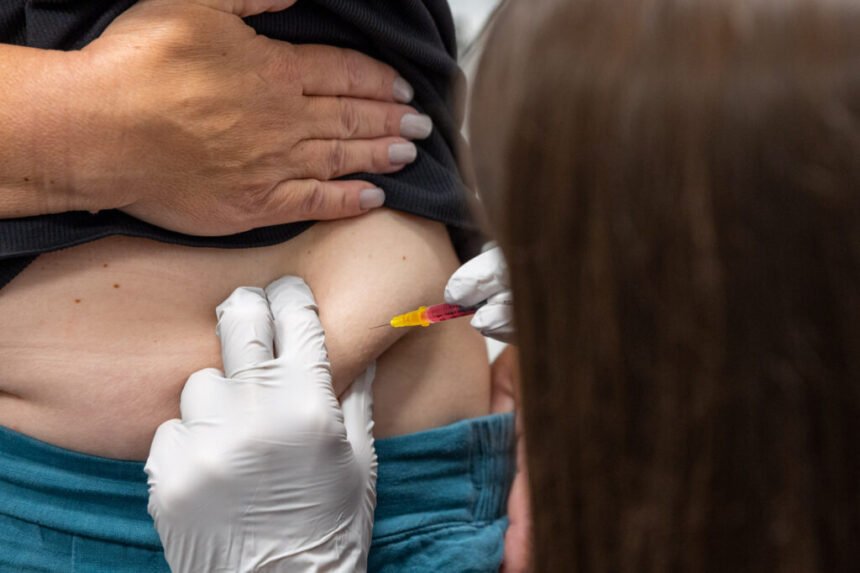
Tirzepatide is an injectable prescription medication approved for Type 2 diabetes and chronic weight management. It belongs to a class of drugs that mimic hormones the body naturally releases after eating, and it is prescribed as part of a broader plan that includes changes to diet and physical activity. Doctors do not typically prescribe it as a standalone treatment. The medication is administered once weekly through a subcutaneous injection, which delivers it into the fatty tissue just beneath the skin.
How Does It Work?
Tirzepatide acts on two hormone receptors, GIP and GLP-1; these receptors play a key role in regulating blood sugar levels, appetite, and gastric emptying. The medication targets both pathways simultaneously. It addresses several interconnected factors that contribute to weight gain and elevated glucose levels, which may occur together as part of broader metabolic changes.
When these receptors are activated, the body releases more insulin in response to meals, and digestion slows. Slower digestion prolongs the sensation of fullness. Because patients feel fuller for longer, they may naturally eat less. Some patients experience a significant reduction in appetite and food cravings throughout the day. These combined effects support gradual, sustained weight reduction over time.
What Does the Process Involve?
Treatment begins with a consultation. A provider reviews the patient’s medical history, current medications, and weight loss goals. This evaluation determines whether tirzepatide is a suitable option, and the provider may order bloodwork to assess glucose levels and check for underlying conditions. If the results indicate that tirzepatide is appropriate, the provider will proceed with approval.
Once approved, the patient may receive instructions on how to store the medication, prepare the injection, and rotate injection sites. The dose is adjusted over time based on the patient’s response and tolerance. Follow-up appointments allow the provider to monitor progress, and they will make changes as needed. Common early side effects include nausea, reduced appetite, and mild digestive discomfort, which may lessen as the body adapts to the medication.
What Are the Benefits?
Tirzepatide offers sustained weight reduction when paired with lifestyle changes. Additional health advantages may include:
- Improved blood sugar control, which lowers the risk of complications linked to Type 2 diabetes
- Reduced appetite and better portion control, which supports long-term habit change
- Improvements in cardiovascular health markers, including reduced blood pressure and cholesterol levels
The medication is taken once weekly, so it fits into routines without much disruption. These factors make it a manageable part of a long-term health plan.
Learn More From a Specialist
Tirzepatide is a once-weekly injectable medication that supports weight loss by targeting the GIP and GLP-1 hormone pathways. The treatment process begins with a medical evaluation, and it continues with follow-up care. For the right patient, the benefits include sustained weight reduction, better blood sugar control, and steady progress toward long-term goals. If you are looking to lose weight, speak with a qualified specialist who can review your health history and determine whether this medication suits your needs.