





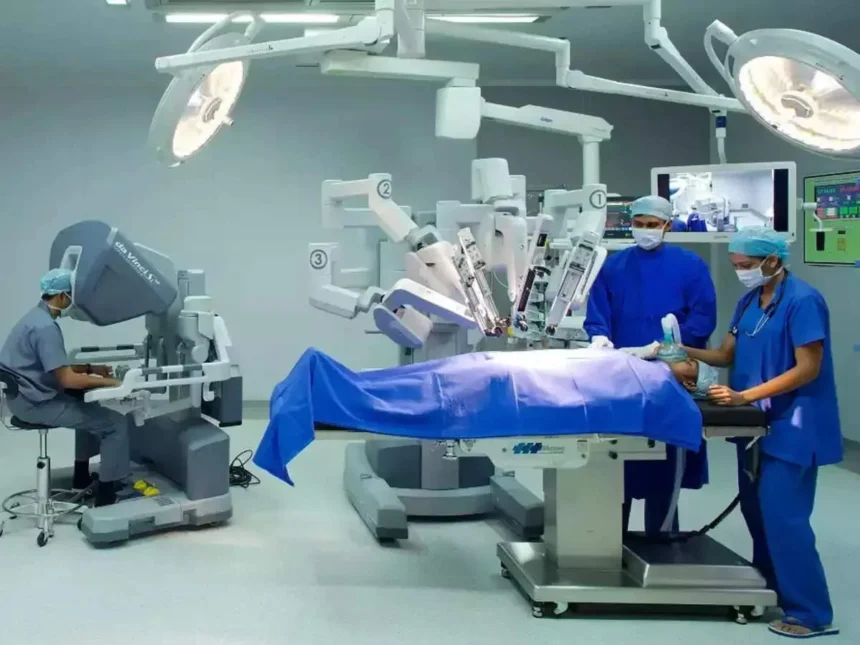
Robotic surgery uses a computer-controlled system that a surgeon operates from a nearby console. The surgeon guides small instruments through tiny openings, and the robotic arms translate hand movements into precise actions. Since the tools are slim and steady, the openings are typically smaller than those in open surgery. Here is more information on this technique and how it can accelerate recovery:
Increased Precision
The robotic system filters out small hand tremors, and it holds instruments in a steady position. Surgeons work through openings that are typically very short. Since the tools respond to fine adjustments, the surgeon reaches targeted tissue with accuracy.
Small openings during robotic surgery mean less disruption to nearby structures. The surgeon controls depth and angle, and the system records each movement in real time. When precision improves, the incision size typically shrinks as well. Smaller incisions may lower the amount of tissue a surgeon cuts.
High-definition 3D Visualization
The camera sends a magnified, three-dimensional image to the surgeon’s console. This view shows depth clearly, and it helps the surgeon judge distance between tissues. Since the image is detailed, the surgeon identifies structures with less guesswork.

For many patients, a clearer view supports work through smaller openings. The magnification helps surgeons spot nerves, and it can help them see blood vessels early in a procedure. The 3D display offers several practical features:
- Magnified detail of the operating area
- Boosted depth perception across tissue layers
- Bright, adjustable lighting inside the body
- Stable images that hold steady during work
Minimized Tissue Trauma
Smaller openings limit the amount of muscle and skin a surgeon divides. The instruments pass through narrow ports, and this design reduces contact with healthy tissue. Since less tissue is disturbed, patients may have less discomfort after surgery.
The level of trauma links to the recovery process. When trauma stays low, the healing surface tends to be smaller. Surgeons target the treatment area, and they avoid wide exposure of surrounding structures.
Less tissue damage may shorten hospital stays for some patients. The narrow incisions close with fewer stitches, and this approach lowers the visible scarring. Since the wounds stay small, many patients return to daily activity sooner.
Greater Range of Motion
The robotic instruments bend and rotate beyond the limits of a human wrist. Surgeons reach tight spaces, and they angle tools in ways that open techniques cannot match. Since the instruments move freely, the surgeon works through narrow openings.
This flexibility helps reduce the need for larger cuts. Since the openings stay compact, many patients experience a faster path back to routine. The wristed tools turn in multiple directions, and this range supports delicate maneuvers.
The extended motion offers clear working advantages:
- Rotation across a wide arc
- Access to confined anatomical areas
- Control during suturing and dissection
Each of these features connects to smaller incision sizes. When a surgeon reaches a site through a compact route, the body faces less overall disruption.
Schedule a Robotic Surgery Consultation
Robotic surgery reduces incision size through precision, magnified visualization, and flexible instruments. These features work together, and they support a smaller surgical footprint. During the visit, you review risks, recovery timelines, and expected outcomes. Contact our office today to book your robotic surgery consultation, and a medical team can answer your questions and help you prepare for each stage of care.