


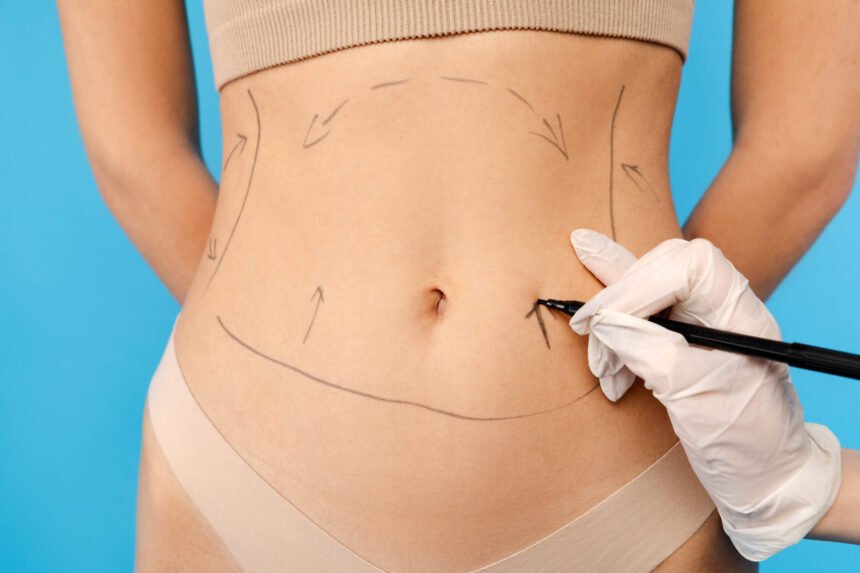
Liposuction removes fat through a thin surgical tube called a cannula. Recovery follows the procedure, and knowing what to expect helps you prepare. Every stage has its own timeline, so your patience matters throughout. Your provider explains what happens after surgery, while covering the steps that support steady healing.
Know Your Recovery Timeline
Recovery after liposuction happens in stages, and knowing what to expect at each phase helps you be more prepared.
The First Weeks
Swelling and bruising appear right after liposuction, and both fade gradually. In the first few hours, some drainage from the incision sites is normal, and your care team will guide you through managing it. Fatigue is common during this early period, as your body is actively working to heal. Keeping follow-up appointments helps your provider catch early concerns and gives you a chance to ask questions. Sleep with your head and treated areas slightly elevated to help reduce swelling faster.
The First Months
Full results take time to appear. Final contours may develop over three to six months, as the treated tissue gradually firms up and subtle improvements become noticeable each week. Staying hydrated and maintaining a stable weight supports this process, and your provider can recommend habits that encourage better outcomes. If your provider transferred fat through liposculpture to enhance volume elsewhere, those areas also need time to fully integrate. Larger treatments, such as an abdominoplasty combined with liposuction, may extend this timeline. Attend all scheduled follow-up visits to keep your recovery on track.


Follow These Recovery Precautions
Compression garments protect your treated areas while playing an active role in shaping your liposuction results. You wear them for several weeks. They help reduce swelling while supporting your skin as it conforms to its new contour. Your provider will tell you how long to keep them on, and following that schedule promotes even healing. Your provider will give you instructions for washing and dressing incision sites, and following them reduces the risk of infection. Avoid submerging treated areas in water, such as pools or baths, until your provider confirms it is safe. Small choices add up, and they make a meaningful difference in how smoothly your recovery progresses.
Recognize Normal Recovery Signs
Some discomfort is normal after surgery. Your provider may also prescribe stronger medication, so you should take it exactly as directed. If the itching becomes intense or is accompanied by redness and warmth, let your provider know. Keeping your provider informed about how you are at each stage helps them support your recovery more effectively. Certain symptoms need prompt attention. Contact your provider right away if you notice any of the following:
- Increasing pain that is not relieved by prescribed or recommended medication
- Fever or chills, which may indicate infection
- Unusual drainage, odor, or discharge from incision sites
- Redness that spreads beyond the treated area
- Swelling that worsens instead of gradually improving.
- Hard lumps or areas of firmness beneath the skin
Start Your Liposuction Journey Today
Recovery works best with a clear plan. A consultation lets you ask questions, and your provider can outline a timeline while crafting it specifically to your body. Contact your team today, and they will help you understand each step before you begin.