


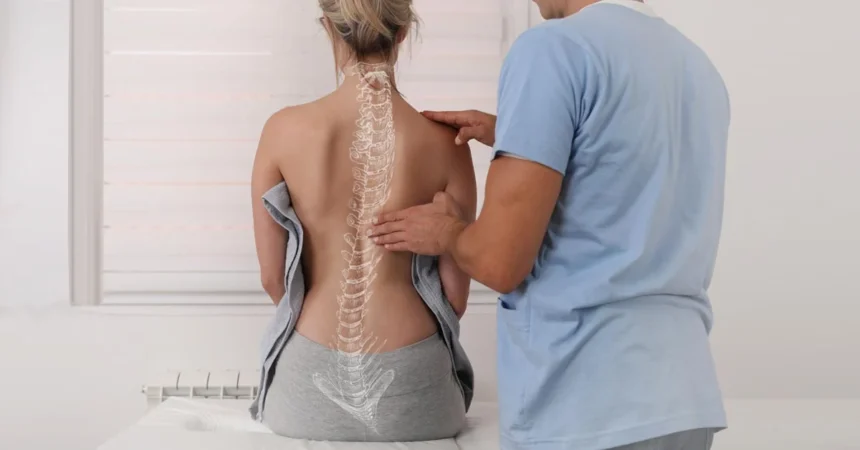
Scoliosis is a sideways curvature of the spine that often develops during the growth spurt just before puberty. The curve may look like a “C” or “S” when viewed from behind, and it can affect people of any age. Some cases stay mild and stable, while others progress over time. People who notice uneven shoulders, a tilted waist, or a rib prominence may benefit from regular visits to a specialist. Children and teens who are still growing, along with adults who experience new back symptoms, are often good candidates for ongoing monitoring from a scoliosis specialist.
The Causes of Scoliosis
In most cases, the exact cause of scoliosis is unknown, and doctors call this form idiopathic scoliosis. Other cases have identifiable origins. These may include conditions present at birth that affect spinal development, neuromuscular conditions such as cerebral palsy or muscular dystrophy, and injuries or infections that alter the spine’s structure. Genetics may also play a role, since scoliosis sometimes runs in families.
Someone should visit a scoliosis specialist if you notice a visible curve, uneven hips or shoulders, or clothing that fits unevenly. A parent might notice these signs in a child, but a school screening or routine physical can also flag them. Early evaluation helps a specialist track whether a curve is stable or changing.
The Types of Scoliosis
Specialists group scoliosis by cause and age of onset. Idiopathic scoliosis is the most common type and is often further divided by age: infantile, juvenile, and adolescent. Congenital scoliosis develops before birth when the spine’s bones do not form correctly. Neuromuscular scoliosis involves conditions that affect the nerves and muscles that support the spine. Degenerative scoliosis appears in adults as the spine’s discs and joints wear down with age. Each type follows a different pattern, so an accurate diagnosis guides the monitoring and care plan.

The Treatment Options Available
Scoliosis treatment depends on the curve’s degree, the person’s age, and whether someone’s growth is still occurring. This is why specialists review imaging and physical findings before recommending an approach. For smaller curves, a specialist may recommend regular observation with periodic imaging to watch for changes. Bracing is a common option for growing children and teens with moderate curves, and it aims to limit further progression while the spine develops. The type of brace and the number of hours it is worn each day vary by case.
Care plans may also include physical therapy and exercise to support posture and strength. A specialist may discuss surgery when a spinal curve is large or continues to worsen despite other measures. The threshold varies, but larger curves that affect posture, breathing, or daily function often prompt this conversation. Adults with degenerative scoliosis may discuss surgery when pain or nerve symptoms interfere with movement.
The most common surgical approach is spinal fusion, which joins two or more vertebrae so they heal into a single, more stable segment. Surgeons often use rods, screws, and bone graft material to hold the spine in position while it fuses. Recovery time depends on the procedure and the individual, and a care team provides advice on activity, follow-up imaging, and rehabilitation. Some younger patients may be candidates for growth-friendly options that adjust as the spine develops.
Find Your Scoliosis Specialist
Choosing an appropriate specialist starts with understanding your situation, so note any changes in your health. If you or a family member shows signs of spinal curvature, a consultation can clarify the type of scoliosis and available treatment options. A specialist can explain what regular monitoring involves and when a change in the curve warrants a closer look. Scheduling an evaluation gives you more accurate information and a plan built around your health and daily needs.