




A hair tattoo artist helps address issues such as baldness, a receding hairline, thinning, and scars. The technique recreates the appearance of hair follicles using pigments, reducing the need for invasive transplants. Practitioners can select pigments that match your natural hair color or preference and create lines that mimic your hairline. Here are the steps professionals use to apply scalp tattoos:
Needs Assessment
The process starts with a consultation to understand your concerns and desired result. A skilled tattoo artist examines your scalp, existing hair, hairline, thinning areas, and any scars. If you seek tattoos to treat hair loss, the practitioner may discuss coverage level and your preferred hairline shape. Assessments help tattoo artists determine where to place pigment and how the treatment can complement existing hair for the most realistic look.
A hair tattoo practitioner also assesses your natural hair color, skin tone, density, and scalp condition when planning the treatment. These details help guide pigment selection and follicle placement. After the assessment, the practitioner creates a customized plan, allowing them to establish a consistent approach before applying pigment. The initial review and discussion also help set realistic expectations.
Scalp Micropigmentation
Scalp micropigmentation (SMP) is the solution practitioners use to address hair loss. The process involves depositing small amounts of specialized pigment into the scalp with a tiny needle. Practitioners create tiny impressions that resemble hair follicles, helping areas of thinning or hair loss appear more covered. The practitioner controls the placement and depth of each impression to maintain a natural-looking pattern.


SMP can also define or recreate a hairline. Practitioners usually work gradually, placing pigment across the selected areas while optimizing density and spacing. They adjust tattoo patterns to blend strokes with existing hair or create a uniform appearance and a fuller head of hair. Different pigment shades are also available, and practitioners can choose shades that complement your natural hair and skin tone.
Scalp micropigmentation often requires multiple appointments to build the desired result. Sessions allow the practitioner to assess how the scalp responds and make necessary adjustments. Your tattoo artist can add density to selected areas, refine the hairline, or improve consistency across the scalp. This gradual approach gives you greater control over the finished appearance. Micropigmentation is also used to establish or restore facial hair, including beards, sideburns, and mustaches.
Aftercare Customization
Proper aftercare protects your scalp while it recovers; the practitioner provides instructions based on the treatment area, pigment application, and individual needs. Follow all recommendations given by your practitioner to maintain the appearance of the pigmentation. Aftercare instructions vary with individual treatment and healing progress. They may cover how and when to wash your scalp or resume normal cleansing. Other instructions include:
- Avoiding sunlight and certain products during recovery
- Limiting activities that cause excessive sweating during recovery
- Protecting the treated scalp from direct sunlight as recommended
- Avoiding scalp products that may interfere with the healing process
- Attending recommended appointments for assessment or additional treatment
Speak to a Hair Tattoo Artist
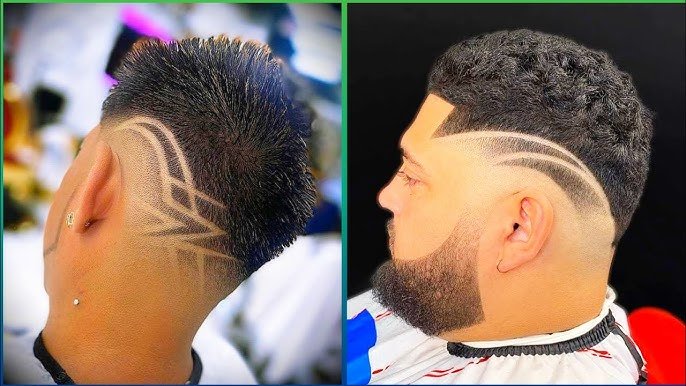
Scalp tattoos offer an alternative to surgeries such as follicular unit extraction or transfer. After your scalp heals, you can resume normal activity; the tattoos are also low-maintenance. They’re ideal for bold, defined buzz cuts and short stubbles or creating the appearance of full hair. Speak to a hair tattoo artist today to start planning your treatment.