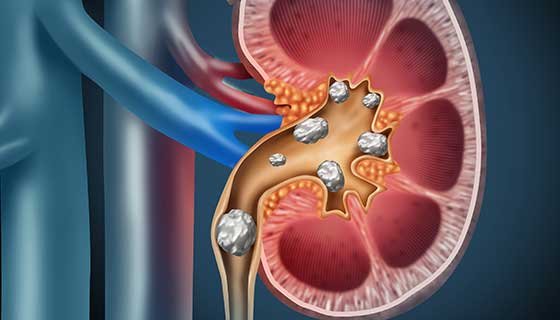
What you eat and drink can affect your risk of developing kidney stones. Staying well hydrated and adjusting certain foods may reduce that risk, but the right changes depend on the stone type and your health history. Here are some dietary changes that can reduce the risk of kidney stones:
Fluid Intake
Fluid intake is a direct way to influence the formation of kidney stones. When you drink enough water, your urine becomes more diluted, making it harder for minerals to bind together into a stone. Water is the simplest choice, but a few other beverages can support the same goal. Keep the following options in mind as you plan your day:
- Plain water: The baseline for continuous hydration throughout the day.
- Citrus-infused water: Lemon and lime add citrate, a compound that may help reduce stone formation.
- Low-sugar fluids: These keep you hydrated without adding excess sugar that can work against you.
Sodium Reduction
Sodium has a strong connection to kidney stones, and people often consume far more than they realize. High sodium intake increases the amount of calcium in your urine, and higher urinary calcium increases the risk of stone formation. Cutting back on salt is a key step, and it starts with knowing where sodium hides.
Sodium often comes from packaged and restaurant foods rather than the salt shaker. Reading labels helps you recognize high-sodium products, and cooking at home gives you more control over how much you add. Canned soups, deli meats, and frozen dinners often contain large amounts of sodium per serving. Aim to keep daily sodium within the range your provider recommends. Swap salty snacks for fresh fruit or unsalted nuts, and season meals with herbs and spices instead of extra salt.
Calcium and Oxalate Balance
Calcium often gets blamed for kidney stones, but cutting it too low can cause issues. Calcium binds with oxalate in your digestive tract, and this binding lowers the amount of oxalate that reaches your kidneys. A balanced intake of calcium-rich foods is therefore helpful rather than harmful for most people.
Oxalate appears in several plant foods, and pairing these foods with a calcium source can reduce your risk. The following are a few common high-oxalate foods to manage carefully:
- Spinach and beet greens: Rich in oxalate, so pair them with dairy or another calcium source.
- Nuts and nut products: Enjoy in moderate portions rather than large servings.
- Chocolate and tea: Both contain oxalate, so watch how often you have them.
Moderation of Animal Protein
Animal protein can increase the risk of certain stones, so moderation is key. Red meat, poultry, eggs, and seafood increase acid levels in the body, and higher acid levels can increase urinary calcium while lowering citrate. Cutting these portions out is a fundamental adjustment for people who want fewer stones. You can still meet your protein needs while cutting back on animal sources. Plant proteins such as beans, lentils, and tofu offer a lower-acid alternative that supports the same nutritional goals. Contemplate replacing one or two meat servings each week with a plant-based option, and build your plate around vegetables and whole grains.
Treat Your Kidney Stones Today
Managing kidney stones involves practical dietary adjustments that can make a significant difference. Reducing sodium intake, balancing calcium consumption, and incorporating plant-based proteins are key strategies to lower the risk of stone formation while maintaining overall nutrition. These changes, paired with proper hydration, are the foundation of a sustainable approach to kidney stone prevention. Contact a qualified urologist near you to schedule your appointment and treat your kidney stones today.