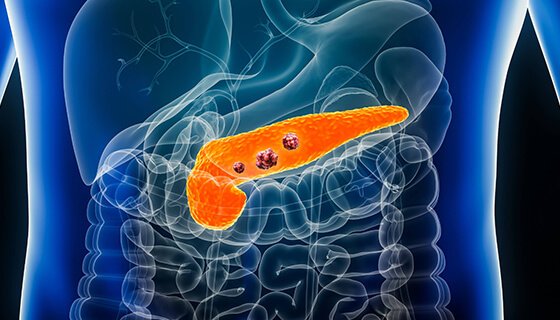
Pancreatic cancer starts in the tissues of the pancreas, which is an organ behind your stomach. Doctors use staging to describe how far the disease has spread, and this guides treatment decisions. Since early symptoms often stay hidden, many people learn about the cancer at a later point. Here are the main stages to help you follow conversations with your care team:
Stage I
Stage I means the tumor sits only inside the pancreas. The growth measures no more than four centimeters, and it has not reached nearby lymph nodes. If they find cancer early enough, surgeons may look at removing the tumor.
Doctors split Stage I into two smaller groups based on size. A smaller tumor falls into one group, while a larger one falls into another. Since the cancer stays contained here, treatment plans tend to focus on the pancreas itself.
Stage II
At Stage II, pancreatic cancer grows larger or reaches nearby lymph nodes. The tumor still stays within the region of the pancreas, and it has not touched distant organs. Your care team may combine surgery with other treatments at this point. Several factors shape the treatment path during this stage:
- Tumor size and its exact location
- Number of affected lymph nodes
- Patient health and medical history
These details guide the plan your doctors build. A specialist reviews scans and lab results before recommending next steps, and the team explains each option to you. Since the cancer remains local, surgery stays on the table for many patients.
Stage III
Stage III describes cancer that spreads into major blood vessels near the pancreas. The tumor may also involve more lymph nodes, though it has not reached distant organs. Surgery becomes harder when the growth wraps around these vessels.
Doctors typically start with chemotherapy or radiation during this stage. These treatments aim to shrink the tumor, and that may open the door to surgery later. Since the cancer sits close to key structures, the team monitors your response with regular scans.
The treatment plan for Stage III pancreatic cancer often varies from patient to patient, as each case presents unique challenges and responses. Doctors may recommend a combination of therapies, such as chemotherapy, radiation, or targeted treatments, to manage the disease effectively. While these options aim to control growth and alleviate symptoms, close monitoring ensures the best possible course of action is pursued.
Stage IV
Stage IV means the cancer has spread to distant parts of the body. Typical sites include the liver, the lungs, and the lining of the abdomen. At this point, treatment shifts toward controlling the disease rather than removing it.
Care during Stage IV addresses both the cancer and your comfort. Chemotherapy may slow the spread, and other treatments manage pain and other symptoms. Since the disease reaches beyond the pancreas, your team focuses on quality of life and steady support. This may involve:
- The cancer spreads to distant organs like the liver, lungs, or abdominal lining.
- The treatment focuses on slowing the disease and relieving symptoms.
- The care addresses pain, fatigue, and other symptoms for improved comfort.
Get Checked for Pancreatic Cancer
Early detection changes the range of treatment options available to you. Since the pancreas sits deep inside the body, doctors rely on imaging and blood tests to look closer. Ask about screening if pancreatic cancer runs in your family, and share your full medical history. Booking an appointment today puts you in touch with a team ready to answer your questions.