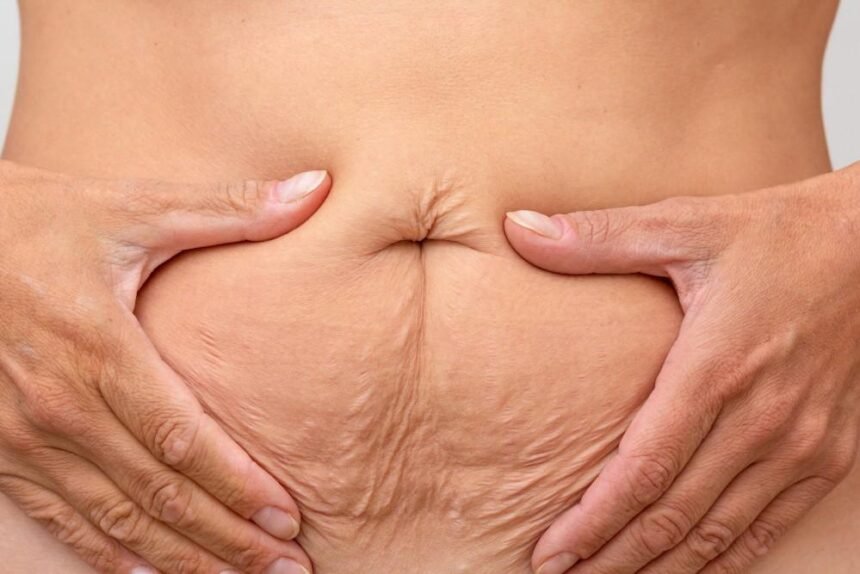
When diet and exercise stop changing the shape of your midsection, a tummy tuck may enter the discussion. Surgeons call this procedure an abdominoplasty. The surgeon removes excess skin and fat from the abdomen, and they often tighten the underlying muscles. Here is more information on this procedure and how it can improve your appearance:
Tightened Skin
Loose abdominal skin may follow pregnancy or significant weight loss. Skin loses elasticity after heavy stretching, and exercise does little to shrink it back to its former size. During a tummy tuck, the surgeon pulls the remaining skin downward and closes the incision. The skin-tightening step may address the following concerns:
- Skin that hangs above the pubic area
- Folds and creases around the belly button
- Stretch marks below the navel
- Texture that gets crepey after pregnancy
Removed Unwanted Fat
Fat settles in the lower abdomen after pregnancy, weight fluctuations, or aging. Since this fat sits under loose skin, it may not shrink much with diet or exercise. The surgeon cuts away a section of lower abdominal skin, and the fat attached to it comes out too. This removal changes the profile of your belly, especially from the side.
Some surgeons add liposuction to the procedure, and others rely on tissue removal alone. The choice depends on how much fat you carry and where it sits. During the same surgery, liposuction may also contour the waist and flanks. Your surgeon will walk you through the plan at your consultation.

If you plan to lose more weight, your surgeon may suggest waiting until your weight stabilizes. A steady weight gives the surgeon a more predictable starting point. Weight gain after surgery may stretch the area again, so many patients keep a consistent routine. A tummy tuck does not replace weight loss.
Effective for Stubborn Areas
While many people diet and train consistently, the lower belly often holds onto fat. Genetics affect where your body stores fat, and hormones play a role too. Pregnancy also changes the shape of the lower abdomen for many women. A tummy tuck targets this area directly instead of relying on calorie loss.
A mini tummy tuck treats the area below the navel, but a full procedure covers more ground. An extended tummy tuck also reaches the hips and flanks. Your surgeon will recommend a type after they examine your skin, fat, and muscles. Results vary from person to person based on anatomy and healing.
Toned Abdomen
When pregnancy stretches the abdominal wall, the two vertical muscles may pull apart. Doctors call this separation diastasis recti. During this procedure, the surgeon stitches these muscles back together along the midline. This repair flattens the front of the abdomen, and some patients notice better posture afterward. Factors that affect your final contour:
- The skin’s natural elasticity
- The amount of fat that remains after surgery
- The way you follow recovery instructions
- The patient’s weight and activity level after healing
Book a Tummy Tuck Consultation
A consultation gives you time to ask specific questions about the procedure and its risks. The surgeon reviews your health history, and they examine your abdomen in person. If you qualify as a candidate, they will outline the surgery, recovery timeline, and costs. Book a tummy tuck consultation to find out which approach matches your body and goals.