




Heart disease affects women differently than men, and the signs are not always obvious. Women may dismiss early symptoms because they seem minor or unrelated. Knowing when to seek help matters, so this guide breaks down the moments that call for a professional opinion. This is when you should seek assistance from a women’s heart health specialist:
Unexplained Chest Pain
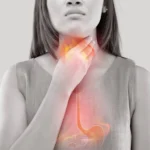
Chest pain arrives in many forms, and it does not always feel like sharp pressure. Some women describe a dull ache, while others notice tightness that comes and goes. Since the sensation might mimic indigestion, you may overlook it as something harmless.
Pay attention to pain that spreads or lingers past a few minutes. When discomfort reaches your jaw, neck, or arm, that pattern warrants a call to a provider. Sudden pain during rest is another signal, and it should prompt quick action from a women’s heart health specialist.
Inherited Risk Factors
Family history shapes your heart health in ways you cannot change. If close relatives developed heart disease early, your own risk climbs, and that fact deserves attention. Talk with your family so you understand the medical patterns behind you. Certain inherited conditions raise concern more than others, so track these details before your next appointment:
- Early heart attacks in parents or siblings
- High cholesterol that runs in the family
- Inherited high blood pressure
- Genetic clotting disorders
A provider reviews this background to map your personal risk. Since genetics plays a large role, sharing accurate history helps your care team plan screenings. You gain a clearer picture when the full story is known.
Ongoing Breathing Difficulties
Shortness of breath during normal activity is not something to brush aside. Climbing stairs might leave you winded, and that change deserves review. Since breathing may link closely to heart function, ongoing trouble points toward a checkup.
Some women wake at night gasping or feel breathless while lying flat. This pattern often signals fluid buildup, and it calls for prompt evaluation. Track how often it happens so you report accurate details.
Fatigue typically pairs with breathing problems in women. When simple tasks drain your energy, mention this to your provider. Since these symptoms overlap with other conditions, a professional sorts out the cause through testing.
Preventive Baselines
Baseline measurements give you a reference point for future comparisons. A single reading tells you little, but tracked numbers reveal trends over time. When you record your baselines early, providers spot changes faster. Schedule these checks even when you feel well:
- Blood pressure readings
- Cholesterol panels
- Blood sugar levels
- Body weight and waist measurement
These numbers guide decisions about diet, activity, and medication. When small shifts matter, regular tracking helps you notice changes before they become serious. Ask your provider how often you need each test, and gather necessary information.
A care team reviews your symptoms, family background, and baseline numbers together. Since women present unique heart patterns, specialized attention matters for accurate answers. Bring your questions and any tracked measurements to your visit.
Find Women’s Heart Health Services
Recognizing warning signs is the first step, and acting on them is the next. You do not need to wait for a severe episode before reaching out. When symptoms persist, or your history raises concern, professional guidance helps you understand your options. Schedule an appointment with a women’s heart health provider today. Reach out to a local clinic and book your consultation now.