


Wounds are a common affliction, ranging from minor scrapes to injuries that need ongoing attention. Many small cuts heal on their own within a short period, but some wounds take longer to close or show signs that they are not improving as expected. When that happens, specialized wound care can support the healing process and help reduce the risk of complications.
Who Is Affected by Wounds?
Not every wound calls for specialized attention, and many people treat minor injuries at home with basic first aid. People living with certain conditions, such as diabetes or poor circulation, may face a higher likelihood of slow-healing wounds. Early attention can make a meaningful difference. Older adults and individuals with reduced mobility may also find that certain wounds require closer monitoring. If you are unsure whether your wound needs professional care, reaching out to a care provider is a reasonable step. A specialist can assess the injury and recommend an appropriate course of action.
What Is Wound Care?
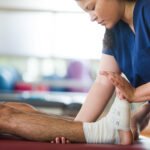
Wound care is a branch of medicine focused on the treatment and management of injuries to the skin and underlying tissue. The goal is to support healing, reduce the chance of infection, and address any factors that can be slowing recovery. The process may begin with an evaluation. A specialist can examine the wound and review your health history, identifying anything that affects healing. A personalized treatment plan is then developed, and it is based on the type and severity of the wound.
Treatment may involve monitoring progress over several visits. Providers can give guidance on how to care for the wound at home between appointments; this combination of in-office treatment and at-home management supports steady progress. The approach is tailored to each person, since no two wounds heal in exactly the same way.
What Falls Under It?
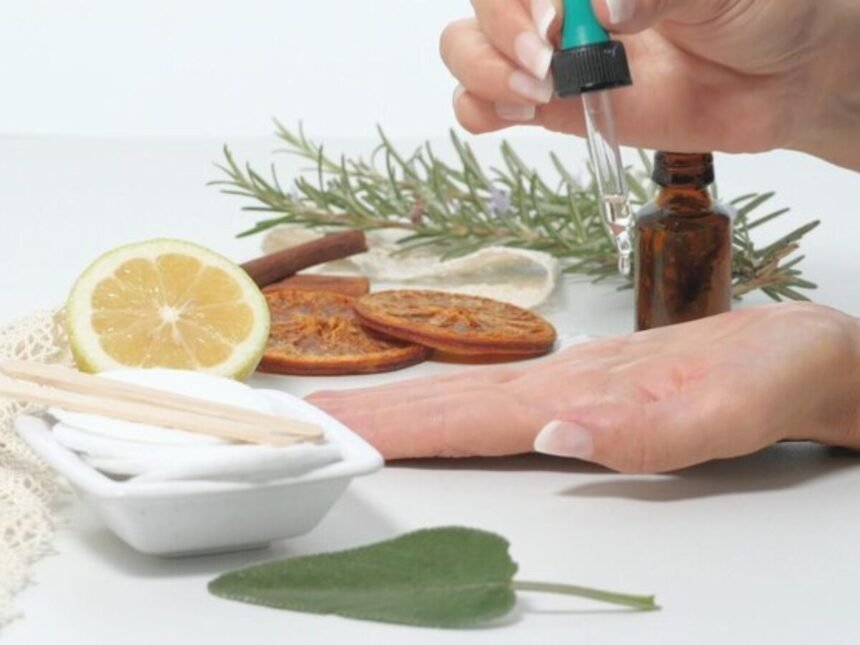
Wounds can be managed through a combination of natural methods and professional treatments, depending on their severity and underlying causes. Natural approaches may support healing for minor wounds. Keeping the area clean and eating a nutrient-rich diet can all contribute to the body’s natural repair processes, but some wounds require a higher level of care. Professional wound care encompasses a range of targeted treatments, including:
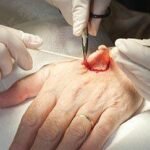
- Debridement: The removal of damaged, dead, or infected tissue to encourage healthy tissue growth and reduce the risk of complications.
- Dressings: Advanced wound coverings designed to maintain the right moisture balance, protect against infection, and promote healing.
- Vein and Artery Treatments: For wounds related to poor circulation, such as venous or arterial ulcers, addressing the underlying vascular issue can be necessary to progress.
The most effective approach may combine both natural and professional strategies. A specialist can evaluate the wound and determine which combination of treatments is most appropriate for your situation.
Consult a Wound Specialist
A wound that lingers or worsens deserves professional attention; specialists bring focused knowledge and access to treatment methods that support recovery in ways home care alone may not. Recognizing the early signs of a slow-healing wound gives you the opportunity to act before minor problems grow. If you are managing a wound that concerns you, connecting with a wound care specialist is a sensible step toward healing.