




Microneedling treats acne scars by creating controlled micro-injuries in the skin, which stimulate collagen and elastin production. Results are gradual. Over several sessions, this process helps smooth uneven texture and reduce scar depth, and patients typically experience minimal downtime. Here is more information on what causes acne scars, how microneedling works, and the specific benefits it offers patients who are seeking smoother, more even skin:
What Are Acne Scars?
Acne scars form when inflamed blemishes damage deeper layers of skin during healing. The body attempts to repair this damage, but it may produce either too much or too little collagen. This imbalance can result in raised or indented scarring. Common types include atrophic scars, which create a pitted appearance, and hypertrophic scars, which sit above the skin’s surface. Microneedling is a targeted treatment for atrophic acne scars.
What Is Microneedling?
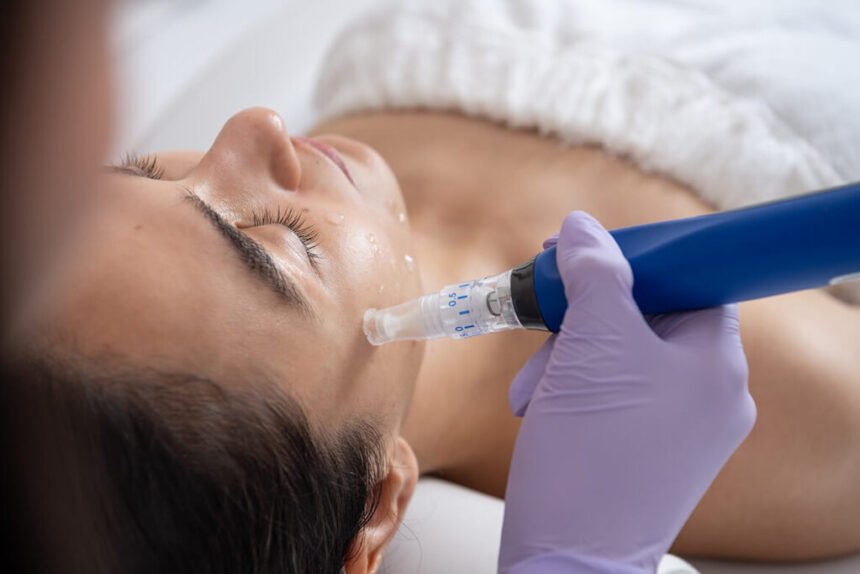
Microneedling is a minimally invasive cosmetic procedure, and it uses a device fitted with fine needles to puncture the skin’s surface. These punctures are shallow. Because they are precisely controlled, this treatment is distinguishable from more aggressive resurfacing methods. Dermatologists typically perform microneedling using a motorized pen, which allows for consistent depth and spacing across the treatment area.
When scarring or texture irregularities affect the skin, practitioners can apply the treatment to the face, neck, and other affected areas. Session length varies. Depending on the treatment area and scar severity, sessions may last only 15 minutes, and practitioners often apply a serum beforehand to improve the procedure’s effectiveness.


How Does It Work?
Microneedling works by triggering the skin’s natural wound-healing response; this process benefits scar treatment. When the needles create micro-injuries, the body responds by producing collagen and elastin. These two proteins support skin structure and elasticity.
Results are not immediate, as patients may require a series of sessions spaced weeks apart to see noticeable improvement. New collagen fibers develop gradually. As they fill depressed scar tissue, the skin surface becomes smoother over time, and remodeling continues for several months after each session. Improvements may appear progressively rather than all at once.
What Are the Benefits?
Microneedling offers several advantages for patients with acne scarring. Patients may report the following results:
- Smoother skin texture and reduced scar depth
- Improved firmness from increased collagen production
- Minimal downtime and a low risk of complications
Because the treatment relies on the body’s own healing response, results may look natural rather than artificial. Combining microneedling with other treatments can further enhance outcomes for patients with more pronounced scarring.
Consult a Cosmetic Dermatologist
Acne scars develop when the skin’s healing process overproduces or underproduces collagen, and this leads to textural irregularities. Microneedling addresses this by stimulating renewed collagen and elastin production through controlled micro-injuries. Over multiple sessions, the result may be smoother, more even skin texture with minimal recovery time. If you are evaluating this treatment option, consult a cosmetic dermatologist to determine whether it suits your specific scar type and skin condition. A qualified provider can assess scar severity, recommend a treatment schedule, and combine microneedling with complementary therapies if needed.