






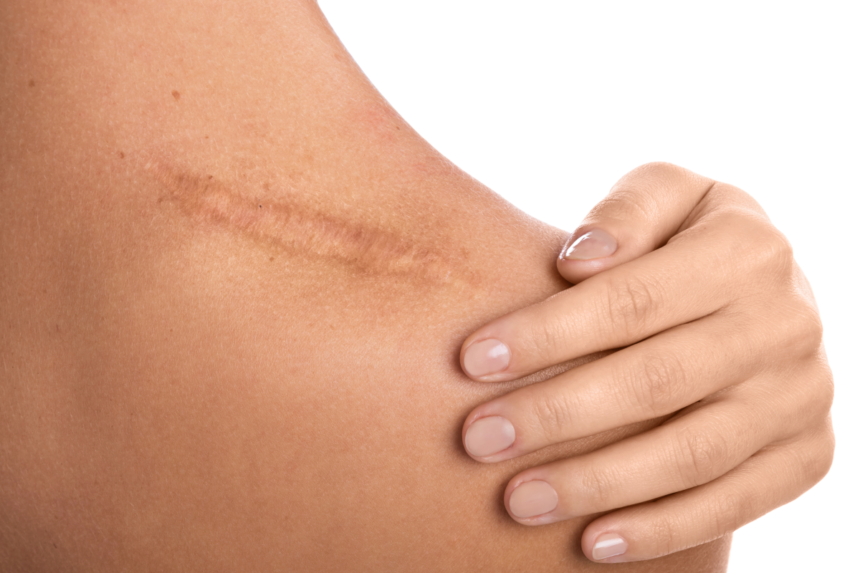
Dermatologists address scarring by diagnosing the scar type and assessing the surrounding skin tissue. Once the scar is classified, they recommend targeted treatments such as laser therapy, chemical peels, or topical creams. Each treatment works differently, but they share a common goal: breaking down scar tissue and stimulating collagen production. Here is more information on dermatology and how a dermatologist addresses scarring:
What Is Dermatology?
Dermatology is the branch of medicine focused on the skin, hair, and nails. Dermatologists diagnose and treat conditions ranging from acne and eczema to skin cancer and scarring, and their training includes both medical and surgical techniques. Because their expertise spans a wide range of clinical and surgical methods, dermatologists can address diverse skin concerns. Patients may seek ongoing care, while others consult a dermatologist for a specific issue, such as scarring from an injury or surgery.
What Are Scars?
Scars form when the skin repairs itself after damage, and the body produces collagen fibers to close a wound. These fibers create a new layer of tissue. Since this tissue differs in structure from the surrounding skin, scars can appear flat, raised, sunken, or discolored depending on the type of injury and how the skin healed. Common types include hypertrophic scars, keloids, atrophic scars, and contracture scars.
Each scar type looks different and responds to treatment in its own way. Hypertrophic scars remain within the boundary of the original wound, while keloids extend beyond it. Atrophic scars create indentations in the skin. When these differences are recognized, healthcare providers can choose the most appropriate treatment for each patient.



Why Do They Develop?
Scarring develops as part of the skin’s natural healing process. Several factors influence how a scar forms, and understanding them is key to effective treatment. Genetics play a role, as some individuals are more predisposed to keloids or hypertrophic scarring, while a wound’s depth and size determine the extent of scar formation. Deeper injuries may produce more noticeable scars. Infection, inflammation, or delayed healing can further disrupt the process, which leads to irregular texture or color.
Age and skin tone may contribute to how scars form and fade. Younger skin tends to produce more collagen, which can result in raised scars. Darker skin tones may be more likely to develop hyperpigmentation. Sun exposure during healing has the potential to darken a scar and slow its fading. These biological variables differ from patient to patient, and dermatologists are able to use this information to tailor treatment plans to each patient’s unique skin biology.
How Can a Dermatologist Help?
A dermatologist begins by examining the scar, reviewing the patient’s medical history, and identifying the specific type of scarring present. They then recommend treatments suited to the scar’s characteristics and the patient’s skin type. Treatment options include:
- Laser therapy, which targets discoloration and stimulates collagen remodeling
- Chemical peels, which resurface the skin to reduce texture irregularities
- Topical creams, which are applied to the skin to reduce discoloration
Treatment plans may combine multiple methods for better results. Follow-up visits allow the dermatologist to adjust the plan as the skin responds.
Seek Professional Help Today
Scarring is a natural part of the body’s healing process, but its appearance and impact vary widely from person to person. Dermatologists bring specialized knowledge of skin biology, scar types, and treatment techniques that can improve how a scar looks and feels. If a scar affects your daily life, schedule a consultation with a dermatologist to discuss your options.