






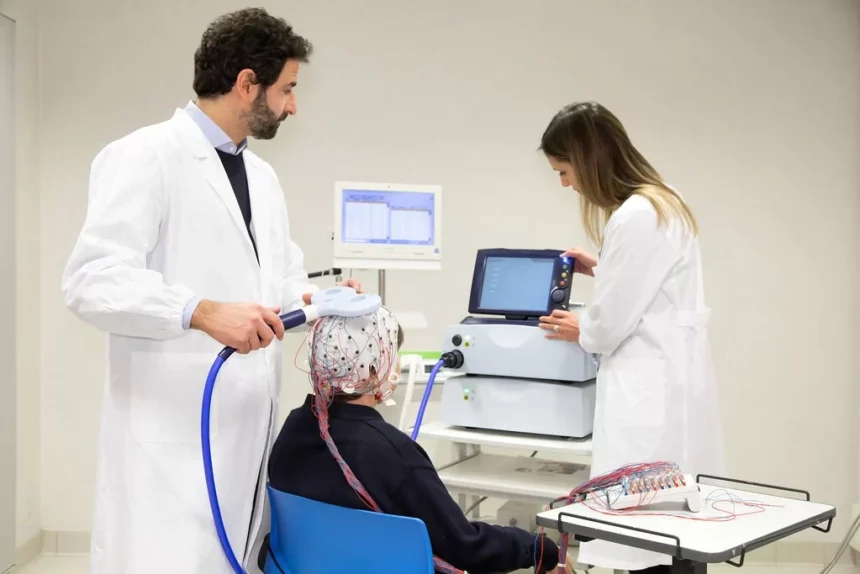
Transcranial magnetic stimulation (TMS) is a noninvasive treatment for mental health conditions, and it uses magnetic pulses to reach specific areas of the brain. When other treatments fall short, TMS therapy offers people another path to explore. Here is more information on how the therapy works and who it may help:
Addressing Treatment-resistant Depression
Some people try several antidepressants without relief. Doctors call this treatment-resistant depression, and TMS therapy is used to address it. As standard medication does not work for everyone, clinics now offer TMS as an alternative option.
TMS targets the prefrontal cortex, a region linked to mood regulation. When you sit for a session, you stay awake and alert the entire time. Sessions run daily over several weeks, and each visit is typically short.
Clinicians track your progress with regular check-ins. They adjust the plan if your response shifts, and they document each session carefully. Since depression affects people differently, your treatment schedule may look unique to you.
Controlling PTSD Symptoms
Researchers study TMS for post-traumatic stress disorder (PTSD) as well. When symptoms interfere with daily life, some people look for options beyond talk therapy. The therapy targets brain circuits tied to fear and memory, and clinicians monitor how patients respond.
PTSD symptoms can appear in several forms, and a clinician may review your history before starting any protocol. Typical symptoms include:
- Flashbacks or intrusive memories
- Trouble sleeping at night
- Alertness at high levels or startle responses
- Avoidance of certain places or people
Your provider explains how the sessions fit your situation. Since each case differs, the approach varies from person to person, and follow-up matters throughout.
Using Magnetic Energy
TMS relies on magnetic energy to reach nerve cells. When the pulse reaches the target area, it creates a small electrical current in the tissue below. A coil rests near your scalp, and it sends short pulses through the skull.
The magnetic field passes through skin and bone without incisions. You feel a tapping sensation during each pulse, and the sound resembles a light knock. Since the process stays external, most people return to daily tasks right after a session.
Stimulating Underactive Brain Cells
Certain mental health conditions are linked to underactive brain regions. TMS aims to stimulate these cells, and the repeated pulses encourage activity over time. When a region receives regular stimulation, its neurons may respond in new patterns. Here is how a typical session unfolds:
- You sit in a reclined chair.
- A technician positions the coil.
- The device delivers pulses in timed intervals.
- You rest briefly, then head home.
The technician records each measurement during your visit. Since responses build gradually, the full course spans multiple weeks, and consistency shapes the process. You stay in contact with your care team throughout.
Schedule TMS Therapy Sessions
TMS gives people another route when familiar treatments do not fit. The therapy stays noninvasive, and sessions follow a structured schedule you plan with your provider. As every mental health journey differs, a consultation helps you understand what to expect, so talk with a licensed clinician to learn whether TMS suits your situation. Reach out to a qualified provider today to schedule an evaluation and discuss your options.