


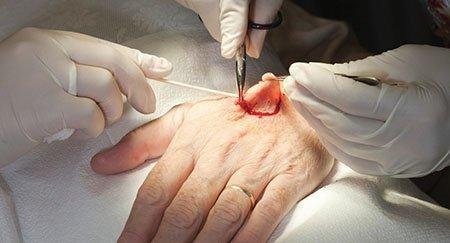
Mohs surgery is a precise method for removing skin cancer, and it works by taking one thin layer of tissue at a time. A surgeon examines each layer under a microscope while you wait. Since the process checks cancer cells in real time, treatment continues until the margins look clear, and new tools have refined this approach over the past decade. Here are some innovations in this surgery method:
Enhanced Precision
Modern mapping software guides each cut, and it records the exact spot where cells appear. Surgeons mark tissue on a color-coded diagram. When the map shows a positive margin, the surgeon returns to that single area. Mohs surgery techniques keep the work focused on affected tissue.
Digital imaging has sharpened how teams review samples. Stains and frozen-section techniques speed up the lab step, and clearer slides help the surgeon spot cancer edges. Since the analysis happens on site, you avoid a second appointment for margin checks.
Preserved Healthy Tissue
Layer-by-layer removal protects the skin around a tumor, and this matters most on the face. Once they reach clean margins, surgeons stop cutting. The technique limits how much healthy tissue leaves your body during a single visit.
Smaller wounds often follow this careful approach. Since the surgeon removes only what tests show as cancerous, the resulting gap stays narrow. Repair work then becomes simpler, and reconstruction fits the smaller opening.
Tissue-sparing methods suit sensitive areas well, and your doctor will let you know if you qualify. Surgeons treat cancers near the eyes, nose, and ears with this approach. When location limits available skin, the precise removal helps preserve function and appearance.
High Success Rate
Studies report cure rates near 99% for many primary skin cancers treated with Mohs. This figure reflects tumors that have not been treated before. Since each margin gets checked during surgery, few cancer cells remain undetected. The following factors influence outcomes:
- Tumor type and size
- Whether the cancer was treated before
- Location on the body
- Depth of the tumor at diagnosis
Surgeons review these details before your procedure, and they explain what the numbers mean for your situation. The real-time analysis remains the reason margins stay so reliable.
Fast Recovery
Recovery time depends on wound size, and smaller wounds usually close with less repair. Many people return to light activity within a few days. Since the surgery happens in one visit, you avoid repeated trips for margin results.
Local anesthesia keeps you awake and comfortable during the procedure. You go home the same day in most cases, and staff gives you clear wound-care steps. To lower your risk of infection, follow these instructions:
- Keep the area clean and dry as directed
- Change dressings on the schedule you receive
- Watch for redness, swelling, or unusual pain
- Attend your follow-up appointment
Stitches typically come out shortly. Since the wound stays small, scarring tends to fade over time, and your surgeon monitors healing at each check-in.
Apply for Mohs Surgery
Mohs surgery combines precise removal, tissue preservation, and same-day margin checks. The technique reports high cure rates for many skin cancers, and it limits damage to healthy skin. If a dermatologist has diagnosed skin cancer, ask whether Mohs surgery fits your case. Book an appointment with a Mohs-trained surgeon today to review your options and next steps.