



Elbow pain develops from overuse, strain, or nerve irritation. It can limit your daily movement, and it sometimes worsens without proper care. Many cases respond well to simple treatments, but some need professional attention if symptoms persist over time.
Rest and Immobilization
Stopping the activity that caused the elbow pain reduces strain, and it gives inflamed tissue time to heal. When you rest the joint and limit repetitive motion, you lower the chance of further irritation. How long you rest matters. Minor strain may need only a few days of reduced activity, but more persistent pain will require one to two weeks. Listen to your body. Return to normal tasks only when discomfort has clearly decreased.
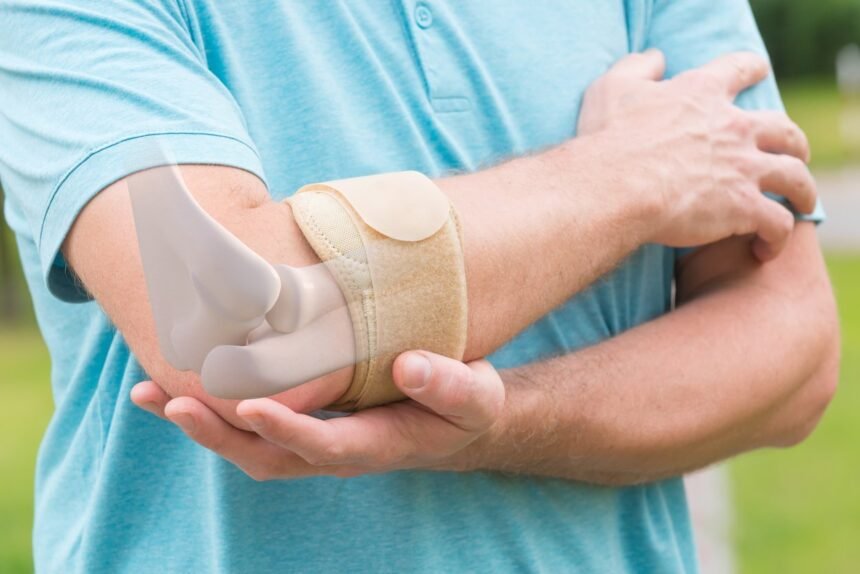
Immobilization keeps the elbow stable. A splint or wrap holds the joint in place, and it prevents movements that aggravate the injury. If you immobilize the elbow and avoid heavy lifting, the tissue recovers, and swelling may decrease. The position of your elbow during rest also plays a role. When you prop your arm on a pillow while resting and avoid sleeping on the affected side, you limit unnecessary strain and support a more comfortable recovery. Check your splint fit regularly. A wrap that is too tight can restrict circulation, and one that is too loose offers little support. If you adjust the fit as needed, you can keep immobilization continued throughout your recovery.
Ice and Medication
Since ice controls swelling, you can use it for pain relief. Applying a cold pack for fifteen minutes reduces inflammation, and it can numb the area for short-term relief. When you apply ice several times a day and wrap it in a cloth, you protect your skin while easing discomfort. Timing your ice sessions helps. Apply cold within the first few hours of pain onset, and repeat every two to three hours as needed. If you space your sessions evenly throughout the day and avoid applying ice before sleep, you reduce swelling consistently. Lower the risk of skin irritation. Over-the-counter painkillers offer additional support. Products like ibuprofen reduce pain, and they can lower inflammation around the joint.
Braces and Padding
Choosing the right type and fit makes a significant difference in how well the brace works.
- Counterforce brace: Best for tennis elbow; reduces tendon load during activity.
- Hinged brace: Offers greater stability for significant joint stress.
- Fit check: Straps should be snug but comfortable, not tight enough to restrict blood flow, not loose enough to slip.
- Usage pattern: Wear during activity and remove during rest to maintain some mobility.
It cushions the joint against direct contact, and it reduces pressure on the ulnar nerve. Padding is especially useful in repetitive-use settings; workers who rest their elbows on hard surfaces benefit from cushioned sleeves, and athletes in contact sports benefit from impact-absorbing pads. When you wear padding consistently during high-risk activity and replace it once it loses its cushioning, you maintain protection. Braces provide structure. A supportive brace limits strain on the affected tendons. It helps distribute pressure.
Treat Your Elbow Pain Today
Elbow pain usually improves with consistent care. Simple remedies like rest, ice, and support can reduce discomfort, and they help you return to daily tasks. If your symptoms continue or worsen despite these measures, schedule an appointment with a medical professional for a proper evaluation. Start with the remedies that fit your situation, and monitor your progress over the coming weeks.