






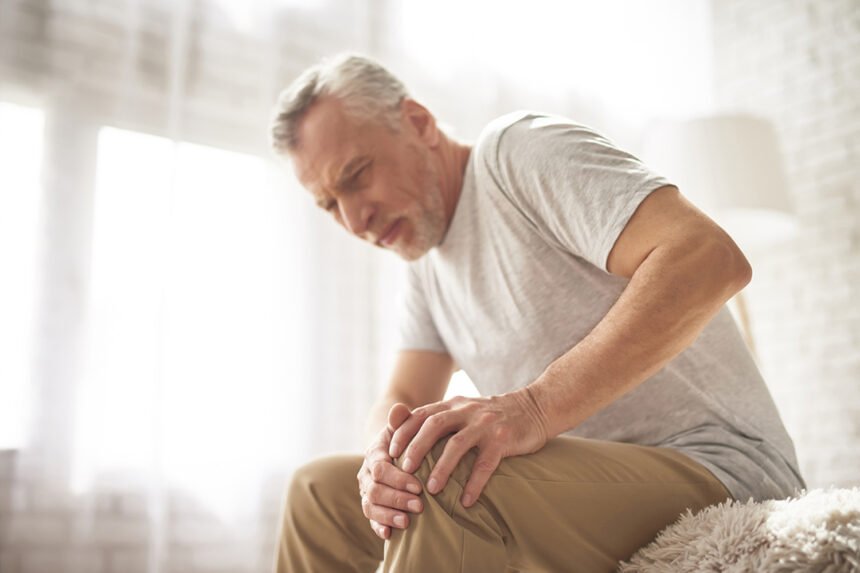
Knee pain becomes more common with age as the joints, cartilage, muscles, and supporting tissues gradually change. These changes contribute to stiffness and discomfort during everyday activities. Here is more information on understanding the link between knee pain and aging:
Understanding Age-Related Changes
The knee is a working hinge that carries your body weight through thousands of movements each day. The smooth cartilage that cushions the bones begins to thin with age, and this natural wear reduces the joint’s ability to absorb shock. When that cushioning fades, the bones move closer together, so friction and stiffness tend to grow.
Fluid inside the knee also changes with age, which can affect how smoothly the joint glides. The muscles and ligaments that support the knee may weaken too, and weaker support puts extra strain on the joint, which may lead to knee pain. You may experience a grinding sensation, and swelling often appears after long periods of activity.
Identifying Risk Factors
Several factors can speed up knee wear or make existing pain sharper, and knowing them helps you identify patterns in your own experience. Some factors relate to your body, while others connect to how you move through your day. Each one influences how much discomfort you may feel.

Body Weight and Joint Load
Every extra pound adds pressure to your knees, and that pressure multiplies during walking or stair climbing. Carrying extra weight can speed up cartilage wear, so the joint faces more strain over time. Managing your weight can lighten this load; even small reductions may ease the stress on your knees.
Activity Levels and Past Injuries
A history of knee injuries can affect how your joint ages, and old sprains or fractures sometimes leave lasting effects. Too little movement weakens the surrounding muscles, while too much high-impact activity can accelerate wear. Finding a balanced routine matters, and gentle movement keeps the joint working without overloading it.
Recognizing Symptoms Needing Attention
Some knee symptoms signal that a professional evaluation is helpful, and recognizing them early can guide your care. Persistent swelling that does not settle, pain that wakes you at night, and stiffness that limits your daily tasks deserve attention. If your knee locks, gives way, or you can’t bear weight, you should book an appointment. These signs suggest the joint needs a closer look, and a specialist can determine what is happening inside.
Pain that no longer responds to your usual remedies is another marker worth noting. When over-the-counter options and rest stop working, the underlying cause may need a different approach. A clear diagnosis helps you understand your choices and explore treatment options.
Managing Pain and Protecting Mobility
You can take practical steps to reduce knee pain and keep moving comfortably. The goal is to support the joint, strengthen the surrounding muscles, and reduce the strain you put on it. Here are some helpful approaches to review with a professional:
- Low-impact exercise: Swimming, cycling, and walking build strength without battering the joint.
- Weight management: Reducing excess weight lowers the load on your knees, making movement easier over time.
- Physical therapy: A guided program strengthens supporting muscles, and it teaches movements that protect the joint.
- Assistive supports: Braces, canes, or shoe inserts can improve stability, and they redistribute pressure away from sore areas.
- Specialist consultation: A knee specialist may review advanced options when standard treatments fall short.
Book Your Knee Pain Appointment
Aging causes natural changes to the knee, and factors like body weight, activity levels, and past injuries may increase discomfort over time. Managing knee pain involves several approaches that target symptom relief and long-term joint health. Certain symptoms also require professional care. Contact a qualified healthcare provider near you to book your knee pain appointment today.