






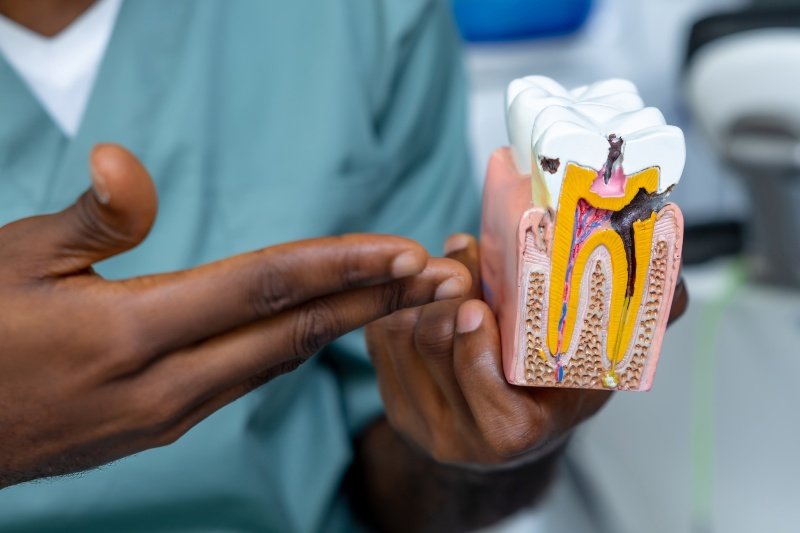
A root canal is a dental procedure that removes infected or damaged tissue and preserves the natural tooth. Although the treatment generally has a high success rate, outcomes may depend on the tooth’s condition and the quality of care. Here is more information on what patients should know about root canal success rates:
Measuring Treatment Success
Dental professionals define a successful root canal by evaluating the tooth’s function and surrounding tissue over time. A treated tooth generally counts as successful when it stays free of infection, and it should continue to work well for biting and chewing. Dentists often confirm these results through follow-up exams and imaging, which show whether the bone around the root has healed.
Some studies report favorable long-term outcomes for root canal treatment, though results vary from person to person. Your dentist tracks progress by checking for symptoms, examining the gum tissue, and reviewing X-rays that reveal changes near the root tip. Regular checkups give your dental team the information they need to confirm ongoing success.
Evaluating Treatment Outcomes
Several factors affect how well a root canal performs over time. Some relate to the tooth itself, while others depend on your habits and follow-up care. Your dentist evaluates these elements before, during, and after treatment. Here are some key influences that can affect your results:


- Tooth location and complexity: Back teeth have more roots and canals, and this added structure can make treatment more detailed than it is for front teeth.
- Extent of infection: A tooth treated before infection spreads often responds better, though advanced infections may require extra steps.
- Quality of the final restoration: A crown or filling seals the tooth after treatment, and a well-fitted restoration protects it from new bacteria.
- Oral hygiene habits: Daily brushing and flossing reduce bacteria, which supports the treated tooth and the ones around it.
Recognizing Healing and Complications
After your procedure, your body begins repairing the area around the treated tooth. Knowing what standard healing looks like, along with signs of possible concerns, helps you respond quickly. Mild discomfort in the first few days is common, and it usually fades as the tissue settles.
Signs of Healing
Healing often reduces pain and sensitivity in the days after treatment. You may notice that chewing becomes more comfortable, and the swelling that appeared before treatment should ease. A stable tooth is a good indicator that your body is repairing the surrounding tissue.
Signs of Complications
Some symptoms suggest the tooth needs further attention, and recognizing them early helps. Persistent pain, renewed swelling, or a bad taste near the treated tooth may point to lingering infection. A tooth that feels loose or fails to settle after several days also requires a call to your dentist. Reporting issues promptly lets your dental team address problems before they worsen.
Protecting Long-Term Results
The care you provide after a root canal directly affects how long the tooth lasts. Place a permanent restoration promptly, and make sure you follow your dentist’s guidance on crowns or fillings. A protective cap shields the tooth from pressure, and it lowers the risk of cracks that can undo your results.
Daily habits also play a fundamental role in preserving your results. Brush twice a day, floss around the treated tooth, and avoid biting hard objects that can damage the restoration. Routine dental visits allow your dentist to detect minor issues early, and these checkups support the health of every tooth in your mouth.
Schedule Your Root Canal Appointment
Root canal therapy is an effective treatment that eliminates infection, alleviates pain, and restores your tooth’s functionality. A consistent oral care routine and regular dental checkups can help protect your treated tooth and support long-term oral health. Contact a qualified endodontist near you to schedule your root canal appointment today.