





A damaged deck doesn’t always require a full replacement, since individual components often show different levels of wear. Deck repair may involve boards, joists, posts, fasteners, railings, or surface finishes, depending on the condition. Moisture exposure and seasonal changes also affect how those components perform over time. Here is what to know about repairing the deck:
Identify Freeze-Thaw Damage
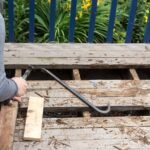
Winter conditions place repeated stress on exterior decking materials as moisture enters the wood and temperatures fluctuate. Repeated cycles of moisture absorption, drying, freezing, and thawing contribute to seasonal movement, cracking, and other forms of deterioration. Posts also shift when frost heave or settling in the surrounding soil affects the supporting footings. Persistent moisture presents another concern when water remains against unfinished wood, increasing the risk of decay and deterioration. Professionals identify this damage and replace sections that cannot be repaired during a deck project.
Match Repair Materials
Replacement materials affect how new components integrate with an existing deck; deck repair professionals evaluate the existing construction before selecting materials. Pressure-treated lumber, cedar, and composite decking each have different properties. Matching the replacement material to the existing deck helps maintain a consistent surface.
Professionals also evaluate board dimensions, installation requirements, and exposure conditions when choosing replacement materials. Color and texture become more noticeable when only certain boards are replaced. Older wood often has a weathered appearance that differs from new material, especially when previous staining or sealing has changed its color.


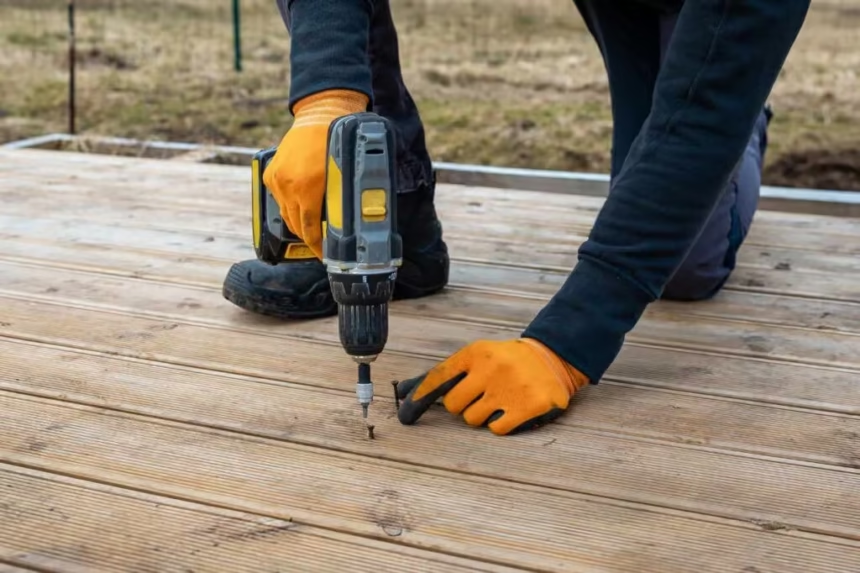
Deck repair professionals assess these differences and select repair methods that limit the visual contrast between new and existing components. When an exact match is not practical, they address the surrounding finish as part of the repair rather than treating the replacement board as an isolated component. Professionals also inspect connections and select fasteners suited to the replacement material and the conditions around the deck.
Restore Surface Protection
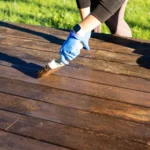
Surface restoration addresses weathered decking after damaged components receive attention. Deck repair professionals clean the surface to remove dirt, residue, and other accumulated material before applying a new finish. Staining restores color to exposed wood and helps replacement boards blend with the surrounding decking. Sealing adds a protective layer against moisture, while compatible products support the condition of the repaired surface. Professionals also evaluate existing finishes to determine the appropriate preparation and restoration method. The restoration process also includes:
- Sealing exposed wood after proper surface preparation
- Removing peeling paint or addressing faded finishes
- Combining board replacement with surface restoration for a consistent result
Check Structural Connections
A deck’s stability depends on the connections between the deck surface, joists, beams, posts, and supporting structure, as well as the points where those components are fastened together. Loose or deteriorated hardware requires attention because weakened connections affect how structural components transfer and resist loads. Rather than focusing only on visibly worn boards, deck repair professionals evaluate framing and supports that show signs of deterioration.
Plan Your Deck Repair Project
A proper repair assessment distinguishes cosmetic damage from problems that affect the deck’s structure. This distinction helps determine whether the work involves surface restoration, replacing individual components, or more extensive carpentry. When several issues appear at the same time, a professional assessment helps identify how the problems relate and establishes a clear plan for the repair. Schedule a professional deck evaluation today.