




Introduction
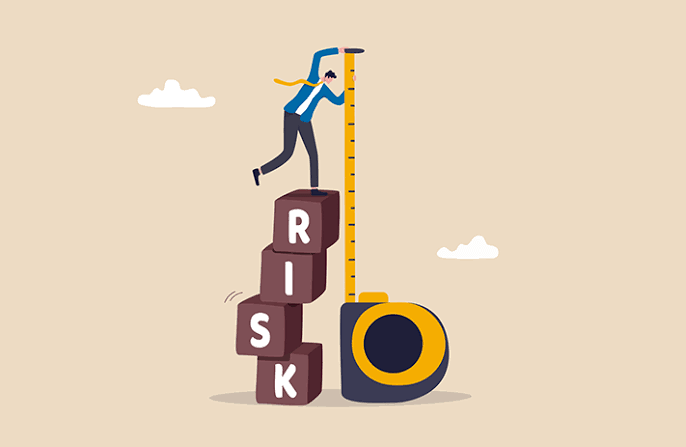
Every business, regardless of its size or industry, faces risks that can impact its operations, profitability, and long-term success. These risks may arise from economic changes, market competition, technological disruptions, legal issues, or unforeseen events. While risks cannot be completely eliminated, they can be identified, assessed, and managed effectively. Businesses that proactively manage risks are better prepared to handle challenges, protect their assets, and achieve sustainable growth.
This article explores the importance of risk management and outlines practical strategies for managing business risks effectively.
Understanding Business Risk
Business risk refers to any factor that may prevent an organization from achieving its objectives. Risks can affect financial performance, reputation, customer relationships, and operational efficiency. Understanding potential threats is the first step toward minimizing their impact.
Successful businesses recognize that risk management is not about avoiding risks entirely; it is about making informed decisions and preparing for uncertainties.



Types of Business Risks
Financial Risks
Financial risks involve factors that can negatively affect a company’s finances. These may include cash flow problems, rising costs, economic downturns, interest rate fluctuations, and unexpected expenses.
Operational Risks
Operational risks arise from internal processes, systems, or human errors. Equipment failures, supply chain disruptions, and inadequate procedures can significantly impact business operations.
Market Risks
Changes in consumer preferences, competitive pressures, and industry trends can create market risks. Businesses must stay informed and adapt to shifting market conditions.
Legal and Compliance Risks
Failure to comply with laws, regulations, or industry standards can result in fines, lawsuits, and reputational damage. Businesses must ensure that their operations follow all applicable legal requirements.
Cybersecurity Risks
As businesses increasingly rely on digital technologies, cybersecurity threats have become a major concern. Data breaches, hacking attempts, and cyberattacks can cause financial losses and damage customer trust.
Reputational Risks
A company’s reputation is one of its most valuable assets. Negative publicity, poor customer service, or ethical issues can quickly damage public perception and affect business performance.
The Importance of Risk Management
Effective risk management provides several benefits, including:
- Protecting business assets and resources
- Reducing financial losses
- Improving decision-making processes
- Enhancing operational efficiency
- Maintaining customer confidence
- Supporting long-term growth and stability
Organizations that actively manage risks are often more resilient during periods of uncertainty.
Steps to Manage Business Risks Effectively
1. Identify Potential Risks
The first step is to identify all possible risks that could affect the business. This process may involve reviewing operations, analyzing industry trends, consulting employees, and examining past incidents.
Businesses should regularly update their risk assessments to account for changing circumstances.
2. Assess the Impact and Probability
Not all risks have the same level of importance. Companies should evaluate both the likelihood of a risk occurring and the potential impact it could have on the organization.
Risk assessment helps prioritize which threats require immediate attention and resources.
3. Develop Risk Mitigation Strategies
Once risks have been identified and assessed, businesses should create plans to reduce their impact. Common risk mitigation strategies include:
- Implementing safety procedures
- Diversifying suppliers
- Purchasing insurance coverage
- Strengthening cybersecurity measures
- Creating backup systems and contingency plans
The goal is to minimize the likelihood of disruption and improve preparedness.
4. Monitor and Review Risks
Risk management is an ongoing process. Businesses should continuously monitor their environment, review risk management plans, and adjust strategies when necessary.
Regular audits and performance evaluations can help identify emerging threats before they become serious problems.
5. Train Employees
Employees play a crucial role in risk management. Providing training on company policies, cybersecurity awareness, workplace safety, and compliance requirements can significantly reduce risk exposure.
A well-informed workforce contributes to a stronger risk management culture.
Technology and Risk Management
Modern technology has transformed how businesses manage risks. Advanced software and data analytics tools can help organizations identify patterns, monitor threats, and make data-driven decisions.
Technologies commonly used in risk management include:
- Risk assessment software
- Cybersecurity monitoring systems
- Financial forecasting tools
- Cloud-based backup solutions
- Compliance management platforms
Leveraging technology can improve efficiency and strengthen overall risk control efforts.
Building a Risk-Aware Culture
Creating a culture of risk awareness is essential for long-term success. Employees at all levels should understand the importance of identifying and reporting potential issues.
Business leaders can promote a risk-aware culture by:
- Encouraging open communication
- Establishing clear policies and procedures
- Rewarding proactive problem-solving
- Leading by example
When risk management becomes part of everyday decision-making, organizations are better equipped to handle challenges.
Common Mistakes to Avoid
Businesses often make mistakes that weaken their risk management efforts, such as:
- Ignoring small risks until they become major problems
- Failing to update risk assessments regularly
- Overlooking cybersecurity threats
- Depending too heavily on a single supplier or customer
- Lacking a formal contingency plan
Avoiding these mistakes can significantly improve business resilience.
Conclusion
Managing business risks effectively is essential for protecting assets, maintaining stability, and achieving long-term success. By identifying potential threats, assessing their impact, implementing mitigation strategies, and fostering a risk-aware culture, businesses can reduce uncertainty and respond confidently to challenges.
In today’s rapidly changing business environment, risk management is no longer optional—it is a strategic necessity. Organizations that embrace proactive risk management are better positioned to survive disruptions, seize opportunities, and build a strong foundation for future growth.