





Root canal therapy treats infection or damage inside a tooth. The treatment removes affected tissue from the tooth’s inner chamber, called the pulp, which contains nerves and blood vessels. Children may need this treatment when deep decay, cracks, or injury reach the pulp. Left untreated, these problems can lead to pain, swelling, and tooth loss. A pediatric dentist or endodontist evaluates the tooth to determine whether root canal therapy is appropriate. Here’s what to expect from a pediatric root canal:
How Root Canals Preserve Teeth
Baby teeth hold space for permanent teeth and guide them into position as a child grows. When a primary tooth is lost too early, surrounding teeth can shift, and this may crowd or misalign the incoming adult teeth. Pediatric root canal therapy allows a dentist to treat infection while keeping the natural primary tooth in place.
Preserving a natural tooth also supports normal chewing and speech development. A treated baby tooth continues to function until it falls out naturally, making room for the permanent tooth beneath it. Keeping the original tooth often provides better spacing and structure than removing it early. That is why children should see an endodontist for an assessment when oral infection is suspected.
How Common Abscessed Teeth Are
An abscessed tooth develops when bacteria create an infection pocket at the root or gum; in children, abscesses often result from untreated cavities or dental injuries. Tooth decay is a common chronic condition among children, making related complications like abscesses a recognized pediatric dental concern. Signs that may point to an abscess include:

- A Persistent Toothache
- Persistent Swelling
- Temperature Sensitivity
- A Bump on the Gums
Regular dental checkups help identify decay before it reaches the pulp, and early detection reduces the risk of a serious infection. A dental professional’s prompt evaluation determines the right course of action.
How Root Canals Are Done
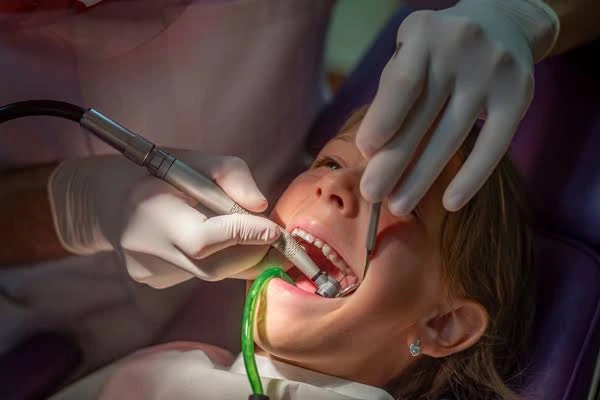
A root canal procedure begins with an examination and X-rays to assess the extent of the damage. The dentist numbs the area, removes the decayed or infected pulp, and cleans the inner chamber. After cleaning, the dentist fills the space with a material suited to the tooth type, and a crown or filling restores the tooth’s surface.
Treatment for Primary Teeth
Pediatric root canals on baby teeth differ from adult procedures in scope and materials. Because primary teeth eventually fall out, dentists often perform a partial treatment called a pulpotomy, which removes only the damaged pulp in the crown. The remaining healthy root tissue stays intact. Materials used in primary teeth are designed to dissolve as the tooth’s roots naturally break down.
Treatment for Permanent Teeth
Once permanent teeth erupt, root canal treatments more closely resemble the adult approach. The dentist removes pulp from both the crown and the roots, then seals the space with a durable filling material. A crown restoration often covers the tooth to protect it long-term; this also supports jawbone strength. Permanent teeth require materials that last for the life of the tooth.
Get Pediatric Root Canal Therapy
Contact an endodontist or pediatric dentist if your child reports ongoing tooth pain, shows swelling around the jaw or gums, or has sensitivity that does not fade. Knowing when to seek out medical care helps you respond quickly to dental problems. Visible damage from a fall or sports injury also warrants an evaluation, since trauma can affect the pulp even when the tooth looks intact. To learn more about pediatric root canals, contact an endodontist near you. Early intervention often preserves the natural tooth and supports healthy development of the surrounding teeth.