






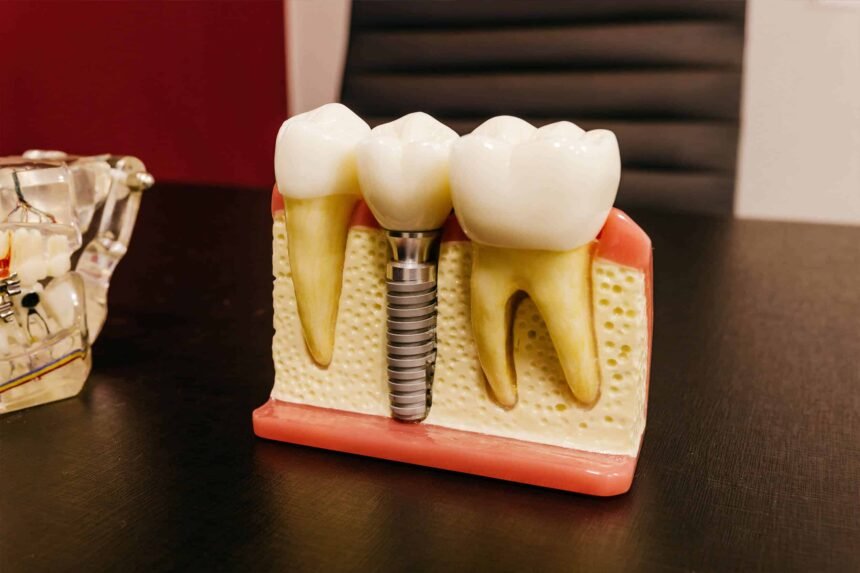
Dental implants and removable tooth replacements can restore missing teeth and support everyday functions such as speaking and chewing. They differ in placement, stability, maintenance, and suitability for individual dental needs. Here is more information on what to know when comparing dental implants with removable options:
Understanding Each Option
Dental implants and removables replace teeth in different ways, and the mechanics behind each affect your everyday experience. One relies on a fixed anchor in the bone, while the other rests on the gums and surrounding structures. Knowing how each functions gives you a clear picture before you meet with a dental professional.
Dental Implants
A dental professional places a titanium post into the jawbone, and the bone gradually bonds to that post over several weeks. Once the post stabilizes, a dentist attaches a connector and a crown, bridge, or denture. The result functions as a fixed structure that stays in place while you eat and talk.
Dental Removables
Removable dentures rest on the gums, and partial dentures clip onto nearby natural teeth for added support. You remove these appliances for cleaning and reinsert them each day. Adhesives or clasps hold them in position, though the fit can loosen over time as your gums change shape.


Assessing Comfort and Function
Comfort differs between the two options, and daily function is often the key factor. Dental implants stay fixed, so they feel similar to natural teeth when you bite into firm foods, while removables may move slightly during meals. Speech can also vary; some patients notice that fixed restorations reduce the lisping that loose dentures sometimes cause. Your bite strength, jaw structure, and personal habits influence how each feels once you adjust. Some patients find that a stable set of teeth makes routine tasks, such as chewing and speaking, more predictable.
Evaluating Care and Durability
Both options need consistent care, and your daily routine affects how long each one lasts. Dental implants require brushing and flossing like natural teeth, while removables need nightly cleaning and safe storage. The following points highlight key care and durability factors for each:
- Daily cleaning: Brush implants twice a day, and rinse or soak removables in a proper solution each night to keep them clean.
- Professional checkups: Schedule routine visits so your dental team can inspect the fit and detect early signs of wear.
- Fit adjustments: Removables may need relining as your gums change, while implants usually hold their position once the bone bonds fully.
- Material lifespan: Implant posts often last many years with good care, and denture bases or clasps may need replacement sooner.
- Bone support: Implants help maintain jawbone structure, though removables rest on the surface and do not offer the same effect.
Reviewing Treatment and Candidacy
Candidacy depends on several factors; a dental professional reviews each one before recommending a plan. Bone density matters for dental implants, so patients with adequate jawbone often qualify more readily, while individuals with bone loss may need extra steps first. General health, gum condition, and personal preference also guide the decision.
Some patients choose removables for their non-surgical process. Timelines also differ, as implants require a healing period between placement and the final restoration. A thorough consultation helps you review comfort and long-term goals so you can contemplate the approach that fits your situation.
Learn More About Dental Implants
Implants provide a durable and natural solution for tooth replacement, offering significant benefits for dental function and aesthetics. While factors such as bone health and gum condition may influence your decision, a personalized consultation can help determine the best option for your needs. Contact a qualified dentist near you to schedule your appointment and learn more about dental implants today.