





Documenting an incident’s impact helps support a successful personal injury claim. It creates a factual record that a personal injury lawyer uses to connect the victim’s condition to the incident. Here are a few ways to document your injuries for a personal injury claim:
Seek Medical Care
Seeking medical care immediately after an accident generates a third-party timeline that legally verifies the nature and severity of your physical condition. Licensed healthcare professionals create official diagnostic reports after evaluations that you can use to build your case; this prevents insurance adjusters from dismissing your pain as pre-existing or exaggerated. A lawyer will contact your medical professionals for these documents.
Professionals add their clinical observations to your permanent electronic health record. A doctor documents your restricted range of motion, cognitive impairments, and other injuries. Specialized treatment plans and referrals to physical therapists provide further proof of ongoing rehabilitation.
Gather Physical Evidence
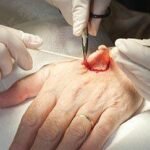
Gathering physical evidence requires collecting proof directly from the accident scene, which may include your own injuries. You may photograph them or preserve torn clothing you wore during the incident. Capturing these items helps preserve fragile details before environmental changes or your wounds heal, strengthening your case.



Photos provide a permanent visual record of your trauma. Wounds fade over time, but timestamped photographs prove how your body looked on the day of the incident. Preserving the clothing and personal property involved provides material evidence of the violent forces at play.
Collect Witness Statements
Collecting witness statements involves gathering contact information from neutral bystanders and capturing their accounts of the accident. You can request a written statement or record their voice as testimony, and the use of an independent witness adds more credibility to your case. Here are helpful tips when interacting with onlookers:
- Identify neutral bystanders
- Note witness locations
- Request full legal names
File Police Reports
After an accident, call law enforcement and request an officer to respond. Stay until the authorities arrive unless you need immediate medical attention. When the officer arrives, explain what happened clearly and stick to the facts. The responding officer will investigate the accident, speak with those involved and any witnesses, and document the circumstances in an official report. That report can become an important part of your case later. Having law enforcement document the scene creates a record of what happened while the details are still fresh and can help protect your legal interests from the outset
An officer’s notations provide a factual framework that eliminates personal bias. The report documents your injuries by establishing a timestamped link between the event and your presence at the scene. Having your physical state recorded at the scene supports your subsequent medical records.
Gather Surveillance Evidence
Surveillance evidence captures the accident’s mechanics in real time. You may obtain footage from nearby traffic cameras. Your personal injury lawyer can request security tapes from local businesses surrounding the scene. Surveillance recordings provide an indisputable visual account that eliminates speculation about how the event occurred.
Find a Personal Injury Lawyer
Proper documentation transforms a claim into an authoritative, fact-based narrative. Combining medical records and witness statements establishes an evidentiary chain that connects the defendant’s negligence to your injury. Contact an injury attorney to learn more about their services.