






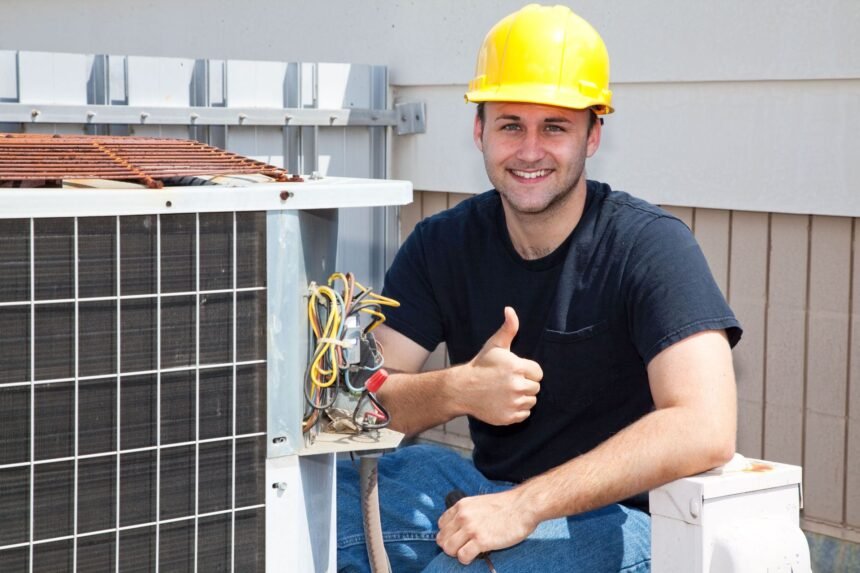
Homeowners use heating and cooling systems to stay comfortable throughout changing seasons, and local service providers have knowledge of regional weather conditions. Hiring an HVAC company connects system care with temperature, humidity, airflow, and indoor air quality needs. These technicians work with residential equipment regularly, giving them practical familiarity with standard system configurations. Here are a few benefits of working with a local HVAC repair team:
Address Local Climate Demands
Regional weather patterns influence how frequently heating and cooling equipment operate throughout the year. Local technicians work with systems exposed to those conditions, so they may understand the operating demands placed on residential equipment. Extended cooling periods increase air conditioning use, while colder weather places more demand on heating equipment. Indoor humidity also requires attention when cooling systems operate for long periods.
Whole-home comfort involves various factors, including the temperature displayed by the thermostat. Air conditioning influences humidity and airflow, while indoor air quality equipment addresses other conditions within the home. An HVAC company that provides multiple related services can take a broader view of how these systems work together. This approach helps determine whether an indoor comfort concern stems from the equipment itself, airflow, humidity, or air quality; some cases also involve a combination of factors.
Provide Rapid Emergency Response
HVAC failures require prompt attention when a home depends on the affected system for heating or cooling. Some local providers offer extended access to trained technicians; this is helpful when problems occur outside regular appointment periods. Several capabilities support emergency HVAC services, including:


- Provides 24/7 emergency HVAC service.
- Maintains an extensive inventory of commonly replaced HVAC parts.
- Uses digital manifolds during system diagnostics.
- Uses thermal imaging cameras during appropriate inspections.
- Uses electronic leak detectors for refrigerant-related diagnostics.
Assess Whole-Home Systems
Heating and cooling equipment operate alongside ductwork, insulation, and other components, and each one can impact system performance. Ductwork affects how conditioned air moves through different areas of the home. Insulation influences how effectively indoor temperatures are maintained after conditioned air enters living spaces.
Load calculations provide technical information about the heating and cooling capacity required for a particular property. Building size, insulation, windows, and other structural characteristics may influence those calculations. Proper sizing supports equipment selection during installation or replacement projects, and existing ductwork provides additional information about airflow requirements.
Indoor air quality equipment addresses conditions that standard heating and cooling systems do not directly control. Air filters and purifiers, humidifiers, dehumidifiers, and ventilation equipment serve different purposes within residential spaces. These systems interact with the indoor environment in different ways, and a provider familiar with them can explain how individual components relate to the existing HVAC setup. This assessment helps homeowners understand which indoor air quality solutions may be appropriate for their home’s existing HVAC system.
Maintain Seasonal System Performance
Seasonal maintenance provides a defined opportunity to inspect HVAC equipment; this is ideal before periods of heavier operation. Cooling service includes checking electrical connections, refrigerant levels, condensate drains, and thermostat operation. Heating maintenance addresses equipment used during colder periods and provides a separate opportunity for inspection and filter replacement. Regular service also creates documented maintenance information, which becomes useful when recurring problems or replacement decisions arise.
Hire a Professional HVAC Company
A consistent service relationship gives technicians access to previous maintenance information and equipment details. This history provides valuable context, which is beneficial when evaluating system performance. Homeowners also gain a familiar point of contact for heating, cooling, ductwork, and indoor air quality services. Contact a qualified local HVAC company to schedule an evaluation; they can assess the current condition of your home’s system.