






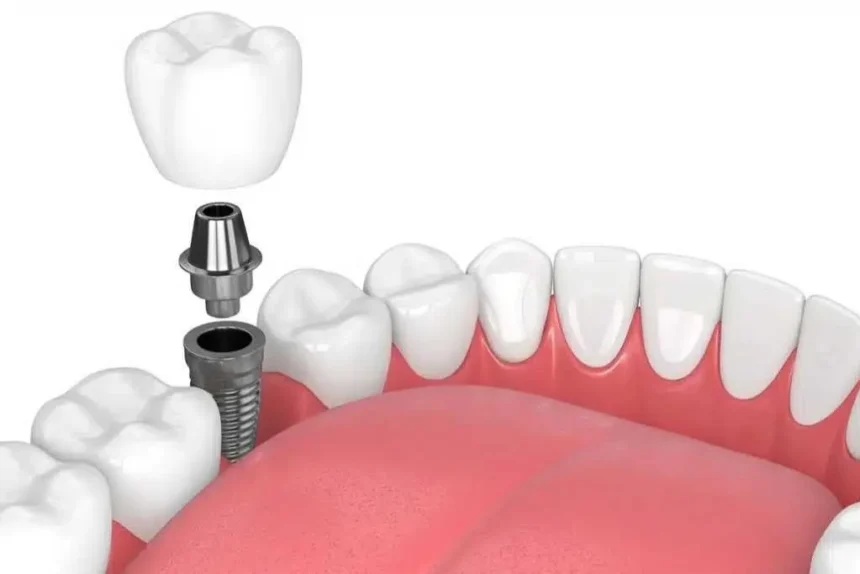
Tooth loss interferes with everyday activities, from chewing comfortably to speaking clearly. Dental implants let dentists replace missing teeth with restorations anchored in the jaw, rather than relying only on neighboring teeth or removable appliances. People explore this treatment when a tooth is beyond repair, a bridge isn’t the appropriate fit, or a denture becomes unstable. With careful planning, implants support function and appearance while helping maintain bite and jawbone structure. Here’s what you need to know about dental implants and how they are done:
How Implants Improve Oral Function
Dental implant treatment focuses on creating a stable foundation for a final restoration, most often a crown. A small post is placed in the jaw to work as an artificial tooth root and support a crown, bridge, or denture restoration. Because the restoration connects directly to this post, it is more secure than a removable option. Many people find that this stability helps them chew a wider range of foods and speak more easily. Dental implants also help keep neighboring teeth from drifting into the space left by a missing tooth, which supports a more even bite.
When chewing forces are directed through the implant into the jaw, the pressure spreads more like it does around a natural tooth. This distribution helps the restoration work more naturally for someone during everyday use. A well-planned implant also supports the contour of the gums and the shape of the smile line. By filling gaps with restorations that blend with existing teeth, implants help create a balanced, functional dental arch.
How Dental Implants Are Placed
The dental implant process begins with an evaluation of someone’s jawbone, gum health, and bite alignment to determine whether the treatment is appropriate. During placement, the dentist positions a small post into the jawbone at a planned angle and depth. Bone tissue grows around the surface of the post in a process called osseointegration, which helps lock the implant in place. After this gradual healing period, a connector piece and final restoration are attached, completing the new tooth or teeth. Ongoing follow-up visits are often done to monitor the implant and surrounding tissues over time.

How Long They Last
Once the final restoration is in place, implants are a long-term tooth replacement option, and many remain stable for years with appropriate care. Their longevity depends on daily habits, regular professional cleanings, and monitoring of the surrounding gums and bone. Dentists also review bite forces and adjust restorations when needed. With this kind of ongoing attention, implants often stay functional and comfortable for an extended period. To help keep oral tissues healthy with a new implant, try:
- Brushing Thoroughly
- Flossing Daily
- Attending Checkups and Cleanings Regularly
Preserve Your Oral Health Effectively
Some people benefit from a single implant and crown, while others need dental solutions that support multiple teeth. A dentist can review your medical background, examine your teeth and gums, and explain which choices fit your situation. Talking with a specialist helps you weigh the advantages and limitations of each approach, so you know what to expect. To get effective information from your consultation, ask about healing timelines, daily care, and how implants compare to other restorations. A thoughtful discussion with a trusted provider supports decisions that protect your oral health for the long term.