






General dentistry keeps everyday oral health on track through routine visits, preventive services, and practical treatment options. When patients understand what happens during a typical appointment, they often feel more prepared, and this supports consistent care. A general dentist evaluates teeth, gums, and bite, and they recommend treatments that match each person’s current needs. Many practices also track changes over time.
Routine exams and cleanings
Regular exams form the backbone of general dentistry because they reveal early changes in teeth and gums. During a checkup, a dentist reviews your medical history, and they examine each tooth for decay, cracks, and wear. Hygienists remove plaque and tartar from areas that brushing and flossing miss, and this promotes healthier gums. When these visits stay consistent, professionals spot patterns in your oral health, and they adjust home care advice or treatment plans as needed.
Preventive dental services
Preventive care focuses on stopping problems before they affect comfort or function, and general dentistry practices rely on several tools for this. Dentists use diagnostic imaging to evaluate areas below the surface, and these images guide treatment decisions. Sealants and fluoride treatments support enamel strength, and they lower the risk of decay in vulnerable spots like deep grooves. When patients follow tailored hygiene guidance, home routines become more effective. They may notice fewer issues between visits.
- Dental exams that track changes in teeth, gums, and bite alignment over time.
- Professional cleanings that remove plaque and tartar from hard-to-reach areas.
- Restorative fluoride treatments that support enamel strength against daily acid exposure.
- New sealants placed on chewing surfaces to protect deep pits and fissures.
- Oral cancer screenings that review soft tissues for early signs of abnormal changes.
Restorative and cosmetic care
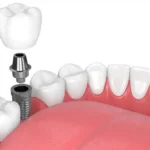
When damage or decay appears, restorative services repair structure so teeth function reliably during chewing and speaking. Dentists use fillings to restore areas affected by cavities. They shape these restorations to match natural contours. Crowns cover teeth with more extensive damage, and they protect weakened enamel from further fracture during daily use. Bridges or other replacement options address missing teeth, and they help keep neighboring teeth from drifting into open spaces. Many practices use detailed impressions, and they refine restorations during placement.

Cosmetic services address the appearance of teeth, and they often overlap with functional goals in general dentistry. Whitening treatments reduce surface staining from foods and beverages. They work alongside regular cleanings. Bonding reshapes chipped or uneven edges, and it also closes small gaps between teeth. Veneers change color and contour on the front surfaces, and they support a more uniform look across the smile. When cosmetic and restorative plans align with oral health needs, patients gain both visual and functional benefits from a single treatment strategy.
Schedule a General Dentistry visit
Routine care keeps small dental issues manageable, and it supports long-term comfort during daily activities like eating and speaking. Since regular visits help detect oral health changes early, treatment stays more straightforward. Schedule an appointment with a general dentist to review your current oral health, discuss preventive options, and plan any needed restorative treatment.