

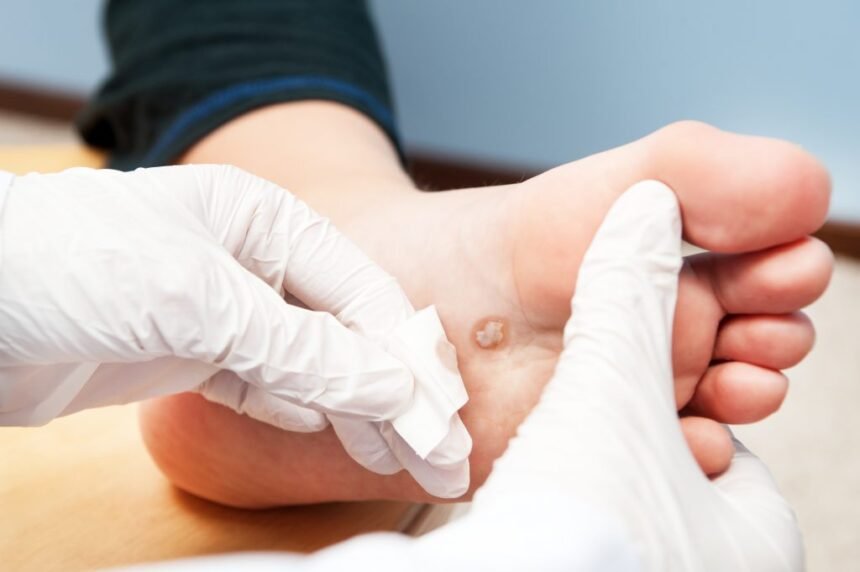
Dermatologists use several methods to treat warts, and each technique targets the growth in a different way. You can try home remedies first, but professional wart removal usually offers more predictable outcomes and closer monitoring. A dermatologist evaluates the size, depth, and location of the wart, and then selects a treatment approach that fits the situation. Some options work gradually on the surface, while others focus on destroying the wart tissue more quickly. Learn effective wart removal techniques offered by dermatologists.
Topical Ointments
Topical ointments give dermatologists a way to treat warts with controlled, targeted applications. A medicated ointment is placed directly on the wart; the active ingredient gradually breaks down thickened skin. The surrounding healthy tissue is monitored during treatment, and the dermatologist may adjust the strength or schedule.
These ointments usually require repeated use over several weeks, and they work best when patients follow instructions closely. The surface of the wart is often thinned or pared before application, which helps the medication reach deeper layers. Some formulas focus on peeling away layers of skin, and others aim to trigger a local immune response.
Patients sometimes use topical wart removal treatments at home under a dermatologist’s guidance. The skin is checked during follow-up visits, and the regimen may change if the wart responds slowly. A dermatologist also looks for irritation or unexpected reactions, and they may recommend a different method when needed.
Wart Freezing
Wart freezing, also called cryotherapy, uses very cold substances to destroy wart tissue. A dermatologist applies the freezing agent to the wart, and the extreme temperature damages the cells inside the growth. The treated area may sting briefly, and a blister often forms as the tissue breaks down.
Multiple sessions are common with this method, and the time between visits allows the skin to recover. The dermatologist adjusts the freezing time and application pattern based on how the wart responds. This approach can be useful for warts on thicker skin, and it gives the specialist direct control over the treated area.
Blistering agents
Blistering agents create a controlled reaction in the skin that lifts the wart away from deeper layers. A dermatologist places the agent on the wart, and a blister forms underneath the growth over the next several hours. The blister separates the wart from the underlying tissue, and the dermatologist later removes the dead material.
These treatments are usually applied in the office, and they are selected when other topical approaches do not work well. The surrounding skin is checked before each application, and the dermatologist explains what level of redness or swelling is expected. Patients are given instructions for caring for the blistered area, and follow-up visits track healing.
- Blistering treatments may require more than one session.
- Dermatologists tailor the strength and timing to the wart’s response.
- Home care plays a role in protecting the treated skin.
A dermatologist weighs this wart removal method against other options for stubborn warts. Returning warts typically receive this type of treatment.
Seek professional wart removal
Professional wart removal offers structured treatment plans and medical oversight; this helps when warts are stubborn or painful. A dermatologist evaluates the type of wart, reviews medical history, and explains which techniques fit the situation. Early consultation also helps rule out other skin conditions that may resemble warts but need different care. Regular follow-up visits let the dermatologist track progress, address new growths, and adjust treatment when needed. Visit a dermatologist to treat your wart issues.