

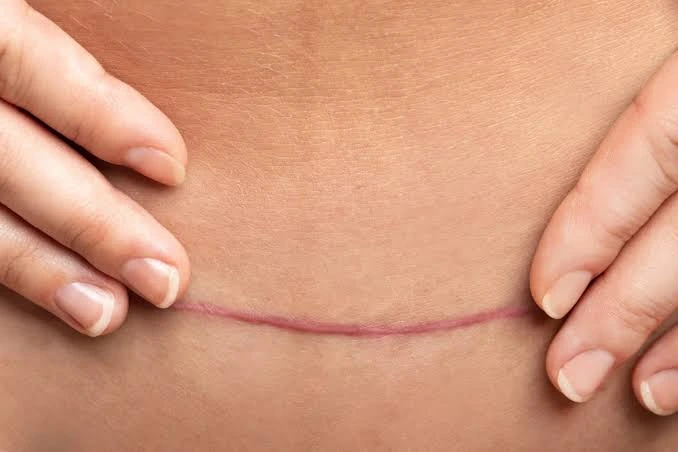
Scar correction after an injury aims to improve texture, color, and how the mark blends with the surrounding skin. Some scars remain flat but discolored, while others rise above the surface or feel tight. A dermatologist reviews scar age, depth, and location, then selects a technique or combination of techniques that match those features. Here are some effective scar correction strategies:
Fractional Hybrid Laser Treatment
Fractional hybrid laser treatment uses two wavelengths that target the surface and deeper layers of skin. One wavelength creates controlled micro-columns of thermal injury, and the other resurfaces the outer layer. As those columns heal, the body remodels collagen, which gradually softens and smooths the scar. Settings vary by scar type, so treatment for acne scars differs from treatment for a thick surgical line.
Since the laser treats a fraction of the skin at a time, untreated bridges of tissue support quicker recovery. The treated skin typically looks red and slightly swollen, yet most people return to routine activities within days. Sunscreen and gentle skincare protect the healing surface, and those steps support more even pigmentation. That type of focus helps guide scar correction plans that respect both appearance and function.
Platelet-rich Plasma and Microneedling
Platelet-rich plasma paired with microneedling targets scars from two angles at once. Microneedling uses fine needles to create controlled channels, and platelet-rich plasma delivers growth factors into those channels. Together, they stimulate collagen and elastin, and they influence how new tissue organizes. This approach works on many skin tones, and settings adjust for sensitive or thicker areas. Keep these factors in mind:
- Microneedling depth varies by scar type, from shallow texture issues to deeper depressions.
- Platelet-rich plasma comes from the patient’s own blood, which reduces the risk of reaction.
- Treatments occur in a series, spaced weeks apart for gradual remodeling.
- Aftercare usually involves gentle cleansing and strict sun protection during healing.
Radiofrequency Microneedling
Radiofrequency microneedling adds heat energy to the mechanical effect of needles. The device inserts insulated needles into the skin, and radiofrequency energy is released at controlled depths. That heat contracts existing collagen and stimulates new collagen production, which benefits raised and indented scars. Since the energy focuses below the surface, the top layer stays more intact, and downtime is typically shorter than with some resurfacing lasers.
Settings on radiofrequency microneedling devices adjust by depth, energy level, and needle pattern. A shallow pass helps refine mild texture, and a deeper pass targets thicker scar bands. Some protocols treat the scar and a border of normal skin, which helps transitions look smoother. Results develop gradually as collagen remodels, so improvements typically appear slowly.
Radiofrequency microneedling also fits into broader scar correction plans. A dermatologist might alternate it with fractional laser sessions or platelet-based treatments, and that sequence depends on how the scar responds. Some scars need softening before any surgical revision, and this method helps loosen tight, bound-down areas. Other scars respond better when radiofrequency microneedling follows an initial resurfacing step.
Schedule Scar Correction Treatments
Scar correction works best when treatment aligns with the scar’s stage of healing and your skin type. An in-person evaluation lets a dermatologist review medical history, examine the scar, and outline a realistic plan. Bring details about the original injury, previous treatments, and skincare products, because those details influence next steps. Ask about expected downtime, number of sessions, and home care between visits. With a structured approach and consistent follow-up, many scars blend more smoothly into surrounding skin over time.