
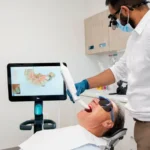


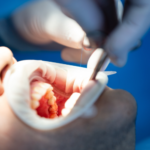



A sudden toothache, a cracked tooth from a pool accident, or a knocked-out tooth during a playground stop needs direct action; these are dental emergencies. When you know a few basic steps before you travel, you respond faster, and your child stays more comfortable until a dentist evaluates the injury. Planning ahead helps the whole family when something goes wrong mid-trip. This is what you can do:
Try to Preserve Lost Teeth
If a permanent tooth gets knocked out, time affects the outcome, and your response matters. Pick up the tooth by the crown, because touching the root damages delicate tissue. If possible, gently place it back in the socket, and ask your child to bite on gauze to keep it in place. If that isn’t possible, store the tooth in milk, since it keeps it moist and protected. Get professional care as soon as you safely can.
Call a Pediatric Dentist
When dental emergencies involve kids, a pediatric dentist gives age-appropriate guidance, and that support shapes your next steps. Share your child’s age, describe the injury, and explain any swelling or bleeding. If you are away from home, the office staff can still help you understand which signs need urgent care and which ones can be safely monitored during travel.
- Ask whether the injured tooth is a baby tooth or a permanent tooth, since this affects treatment recommendations.
- Describe pain level, because severe pain sometimes signals infection or more serious damage.
- Mention any fever or difficulty swallowing, as these symptoms need quick medical attention.
Find Emergency Dental Care
When you are away from your usual office, finding urgent care feels harder, yet several options exist. Start with your regular dentist’s phone line, since many practices list after-hours instructions or partner clinics. Some offices post emergency directions on their websites, and others share information about preferred hospitals for serious trauma. If you have travel plans with kids, save those contact details before leaving, and keep them in your phone and trip folder.
If your dentist is unavailable, use reputable sources to locate nearby emergency dental care, and check that they treat children. Emergency dentists treat severe facial injuries, heavy bleeding, or breathing problems, and they may coordinate with other medical professionals. Call ahead when possible.
Many parents choose specialists who manage complex pediatric cases for ongoing care, since these offices focus on growing smiles. Reading this type of information before a trip helps you know which offices perform dental emergencies. When you already have a trusted pediatric provider at home, follow their guidance first, and then connect with local resources at your travel destination.
Take a Pain Reliever
Use an over-the-counter pain reliever that your child has taken before without problems, and follow the label or your dentist’s instructions. Avoid placing aspirin directly on the gums, because this irritates soft tissue and worsens discomfort. A gentle saltwater rinse helps clear debris around the injured area.
When you give any medication, record the name, dose, and time, and share these details with the dentist later. Do not exceed recommended doses, and avoid doubling different products that contain the same active ingredient. If pain increases even after medication, treat that change as a warning sign.
Address Dental Emergencies Now
Prompt action during dental emergencies limits damage, preserves teeth, and reduces the risk of infection while you travel. Keep your dentist’s contact information in your phone, pack a small kit with gauze and pain relievers, and review basic steps. When an injury happens, stay focused on preserving teeth, managing pain, and reaching qualified care without delay.