


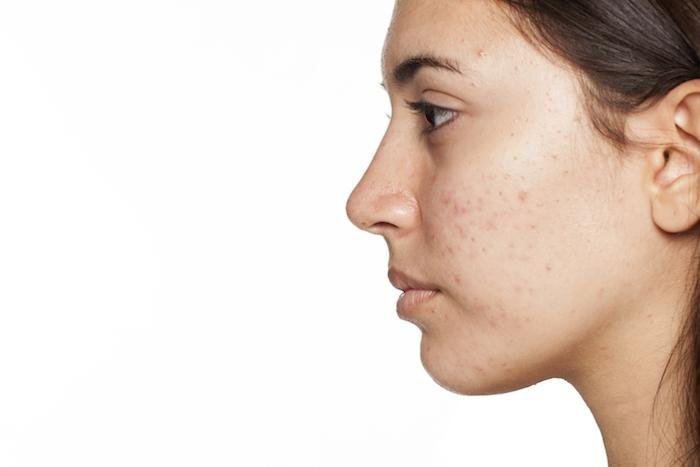
Hormonal shifts influence how skin behaves, so acne breakouts may follow changes in puberty, menstrual cycles, pregnancy, and aging. When hormone levels fluctuate, oil glands respond, and pores sometimes clog more easily. Bacteria then grow in these clogged pores, causing redness and swelling. Some people notice these patterns during specific life stages, while others experience them during times of stress. Understanding how hormones interact with the skin creates a clearer path toward practical treatment choices.
Understanding Hormonal Shifts
Hormones act as chemical messengers, and they affect oil production in the skin. Androgens stimulate sebaceous glands, which release more sebum during certain life phases. When sebum mixes with dead skin cells, pores may clog and form whiteheads or blackheads. Inflammatory lesions appear when bacteria multiply in these clogged pores, triggering an immune response. Some people experience only mild changes. Others deal with persistent breakouts that affect the face, chest, or back.
Recognizing Hormone-Linked Breakouts
Patterns in breakouts can suggest a hormonal link, and tracking them over several months provides useful information. Some people notice that blemishes cluster around the lower face, jawline, or neck during hormonal shifts. Breakouts that worsen on a monthly cycle may align with menstrual changes. This pattern often starts in the teen years during puberty. Adults sometimes see flares during high stress, pregnancy, or perimenopause. These details guide conversations with a dermatologist. Paying attention to timing, location, and lesion type supports more targeted treatment decisions.
Details to monitor include:
- Flares that follow a monthly cycle or specific days
- Breakouts focused on the chin, jawline, or lower cheeks
- Deep, tender bumps more than surface whiteheads
- Sudden change in skin behavior after a life event
- Persistent breakouts despite consistent over-the-counter products
Exploring Acne Treatment Options
Once a hormonal pattern appears, treatment may work well when it addresses several steps in the breakout process. Topical medications reduce clogged pores, and they also limit bacterial growth on the skin surface. Some people benefit from prescription retinoids, while others respond to topical antibiotics or combinations with benzoyl peroxide. Oral medications, including certain hormonal therapies, can help regulate oil production and reduce deep breakouts. A dermatologist evaluates skin type, medical history, and lifestyle to build a plan that fits individual needs.
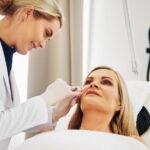
Self-directed routines sometimes help mild issues, but persistent or painful acne may require input from an acne specialist. A specialist tailors treatments to reduce side effects. They also explain how long each option usually takes, which helps keep expectations realistic during the first months. Regular follow-up visits allow for tailored adjustments to support more stable long-term control.
Work With a Local Dermatologist
Hormonal changes can influence the skin in various ways, and recognizing patterns helps guide treatment decisions. Tracking breakout timing, location, and triggers provides useful information to share with a dermatologist. If breakouts persist or cause discomfort, an acne specialist can offer targeted treatment options. Local care supports ongoing adjustments as hormones shift through different life stages. Partnering with a dermatologist creates a structured plan aimed at clearer, more stable skin. Contact a skin specialist to learn more about treating hormonal acne.