
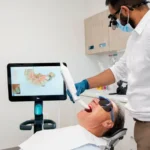
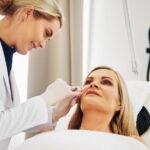

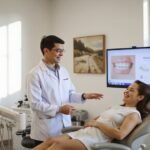

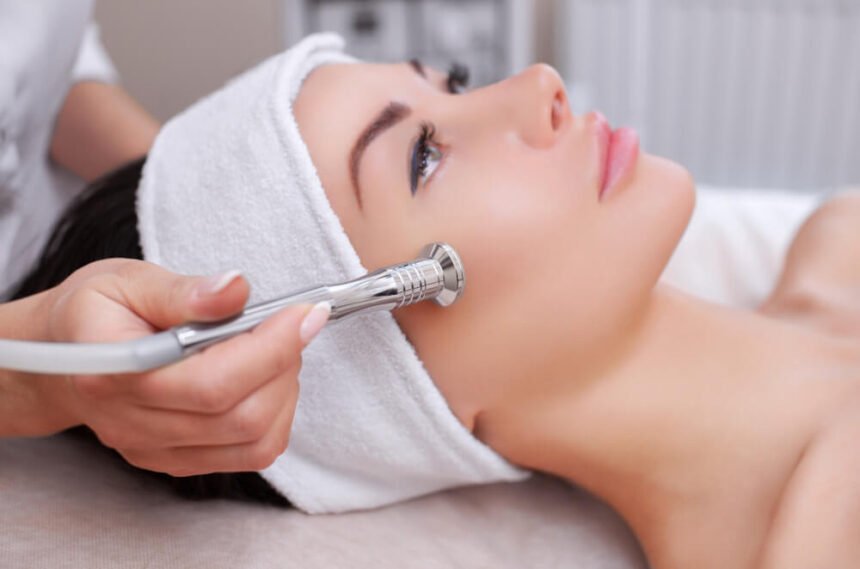
Surgical and cosmetic dermatology work together to address both skin health and appearance. When treatment plans integrate these two branches, patients benefit from medical problem-solving and aesthetic refinement in a single, coordinated approach. A lesion is removed with function in mind, and the same area can then be blended with surrounding skin so it looks smooth and natural. Here is more information on achieving optimal results in dermatology:
What Is Surgical and Cosmetic Dermatology?
Surgical dermatology focuses on diagnosing and treating skin conditions that require procedures, while cosmetic dermatology focuses on refining appearance and texture. Surgical and cosmetic dermatology use different tools, yet both rely on a detailed understanding of skin structure.
- Surgical dermatology addresses growths, lesions, and structural issues that need excision or procedural repair.
- Cosmetic dermatology targets tone, texture, lines, and volume loss with non-surgical or minimally invasive treatments.
- Both branches use medical-grade techniques and devices, though the goals range from disease management to aesthetic improvement.
When a dermatologist works in both areas, treatment plans stay grounded in skin health while also addressing symmetry and proportion.
How Are They Combined?
Combination care usually starts with identifying the primary concern, and then mapping out how functional and aesthetic goals intersect. A procedure such as lesion removal is planned according to safety standards, yet closure methods are selected to support a flatter, less noticeable scar. After healing, cosmetic treatments may refine color and texture so the treated area blends with nearby skin.
Dermatologists who integrate surgical and cosmetic methods may review medical history, medications, and lifestyle before recommending any combination. Because each procedure affects the skin differently, a thorough review helps establish which treatments can be combined safely and which should be performed separately. That structure supports steady progress, and it still gives the skin time to respond and recover.
How Are Optimal Results Achieved?
Results improve when planning starts with clear priorities. Functional issues usually come first; suspicious lesions, symptomatic growths, or structural problems may receive attention before aesthetic refinement. Once those needs are addressed, cosmetic options are matched to the healed tissue and long-term goals.
Timing affects outcomes, and it shapes how surgical and cosmetic methods interact over months. A dermatologist may suggest waiting until a surgical site has matured before adding resurfacing, fillers, or pigment-focused treatments. When the tissue stabilizes, cosmetic procedures may respond more predictably.
Maintenance strategies help preserve results, and they include daily skincare, sun protection, and periodic follow-up visits. When patients follow these steps, the benefits of dermatologic procedures may last longer, and new issues are caught earlier. That ongoing partnership may lead to gradual, steady improvements.
Schedule a Consultation Today
Careful integration of dermatological methods supports both skin health and appearance in a coordinated way; a consultation allows you to review medical history, current concerns, and long-term goals so that treatment steps align logically. During that visit, you may also ask which procedures are staged together and which ones are better separated over time. If you are looking to learn more about dermatology, schedule a consultation.