
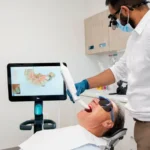






Your first visit to a dermatologist helps establish how your skin will be managed over time. These professionals can address a wide range of concerns, from acne to skin cancer. A focused conversation helps you share your skin concerns, and it allows your provider to recommend treatment options that suit your needs. Here are several topics and questions to discuss with a dermatologist during your first visit:
Understanding Visit Goals
Start by asking what your dermatologist plans to accomplish during this first visit, and share your priorities. The provider reviews your medical history, examines your skin, and notes any areas that require closer attention. When you explain your concerns in detail, the visit can stay organized and focused. Ask which issues need short-term follow-up or longer-term monitoring, and request a simple summary before you leave. This approach helps you understand the next steps and what to expect after the appointment.
Clarifying Diagnosis Details
Once your dermatologist identifies a condition, ask them to explain the diagnosis in clear terms so you understand it. A direct conversation about what the condition means, how it behaves, and what triggers it helps guide daily decisions at home. Questions in this area might include:
- What is the name of my condition?
- Which symptoms should I watch for at home?
- Are there known triggers that I need to avoid?
- Does this condition usually stay the same or progress over time?
- When do I need to call the office between visits?
Reviewing Treatment Options and Monitoring
Treatment discussions sometimes involve several paths, depending on your history and the severity of the condition. Ask which treatments are available now and which might be used later if your skin changes. Your dermatologist explains how topical medications, oral medications, procedures, or light-based therapies fit your diagnosis. Clarify how long each option usually takes to show results, and ask what level of daily effort is involved. This helps you choose an approach that fits your routine and supports realistic expectations about outcomes.
Potential side effects also require attention. Ask which are common and which are rare; make sure you know when it’s recommended to call the office. If a treatment affects sun sensitivity, daily activities, or other medications, request clear written instructions. When you understand both the benefits and the risks, you can better follow the plan consistently. This type of structured conversation helps support long-term care.
Skin monitoring is key for issues such as moles, rashes, and chronic conditions that change slowly. Ask how often you need full-body skin exams and which areas require closer monitoring. Your dermatologist might recommend at-home self-checks, so ask for a simple method to follow regularly. Ask whether photographs or notes are useful between visits. Clear guidance can make it easier to notice early shifts in your skin. Before leaving your appointment, ask what the next year of care will likely look like if your condition stays stable. This includes how often follow-up appointments are recommended and which tests or procedures might be involved.
Consult a Dermatologist
Dermatologists provide comprehensive skin evaluation and treatment; they address eczema, warts, scars, and sun damage. Use your first visit to build a clear plan and ask direct questions. These steps help you understand your skin’s needs and make informed decisions about treatment options. Establishing open communication with your dermatologist supports ongoing skin health and helps you recognize changes that may require professional attention. Schedule your first dermatology appointment today to discuss treatments for healthier skin.