



Orthopedic surgery focuses on the musculoskeletal system, which includes your bones, joints, ligaments, tendons, and muscles. This means orthopedic surgeons treat injuries and conditions that affect movement and function, supporting people with fractures, sports injuries, arthritis, or degenerative conditions. Some patients need orthopedic care after an accident, while others need it for chronic joint or spine problems that limit daily activity. Surgeons select a technique based on the diagnosis, the affected area, and the patient’s overall health. Here’s information on three common orthopedic surgery techniques and how they are done to support people’s health needs:
Arthroscopic Surgeries
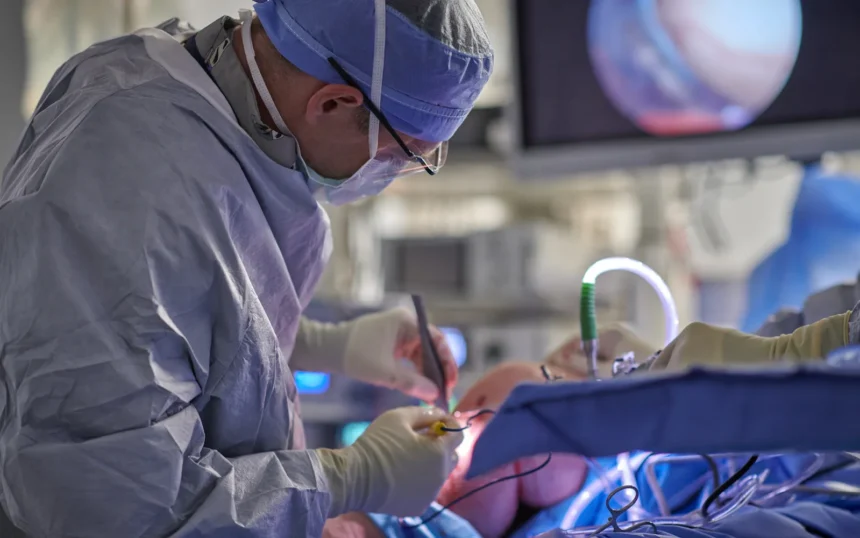
Arthroscopic surgery uses a small camera called an arthroscope to view the inside of a joint. The surgeon inserts the camera through a small incision, and the images appear on a screen to guide the procedure. This orthopedic surgery can provide diagnosis and treatment within the same procedure session. On the diagnostic side, arthroscopy allows surgeons to examine cartilage, ligaments, and other structures that imaging tests may not fully reveal.
For treatment, surgeons can repair torn tissue, remove damaged fragments, or smooth rough surfaces using narrow instruments for areas like the:
- Knee
- Shoulder
- Hip
- Elbow
- Wrist
- Ankle
Because incisions are small, arthroscopic procedures often disrupt surrounding tissue less than traditional open surgery. Surgeons frequently use this method for conditions such as meniscus tears, rotator cuff injuries, and joint inflammation.
Joint Replacement Surgeries
Surgeons most often perform a joint replacement procedure on the hip and knee, though shoulders and other joints may also qualify. Joint replacement surgery removes a damaged joint and replaces it with an artificial implant. This surgery aims to restore movement and reduce discomfort caused by worn or damaged cartilage, and surgeons now use minimally invasive techniques for joint replacements.
Minimally invasive methods use smaller incisions and specialized instruments to reach the joint with minimal disruption to nearby tissues. Surgeons plan the approach carefully, and imaging tools help guide implant placement. Open surgical techniques may suit certain situations better than minimally invasive ones, so they are sometimes necessary. Larger incisions can give the surgeon a wider view and more room to work, which matters in complex cases or revision surgeries. Factors such as the patient’s anatomy, bone quality, and prior procedures influence which method a surgeon recommends.
Spinal Cord Stimulation Surgeries
Spinal cord stimulation uses a small implanted device to deliver mild electrical signals to the spinal cord. Surgeons place thin leads near the spinal cord and connect them to a generator positioned under the skin, altering how pain signals travel to the brain. The procedure begins with a trial phase to confirm it will work for an individual’s condition. During this trial stage, doctors place temporary leads to test if the device is effective before committing to permanent implantation. If the trial produces a satisfactory pain-reducing result, the surgeon proceeds with the full implantation.
Learn More About Orthopedic Surgery
Orthopedic surgery utilizes a range of techniques, and each one addresses a specific type of condition or injury. Arthroscopic procedures support diagnosis and repair through small incisions, while joint replacement restores function using artificial implants. Spinal cord stimulation offers another approach for patients who continue to experience chronic pain after other treatments. The appropriate surgical technique depends on your diagnosis, anatomy, and overall health. To learn more, a qualified orthopedic surgeon can review your situation and explain which options may fit your needs.