





A missing tooth can change more than your smile. You may chew on one side, avoid certain foods, or feel uncomfortable speaking in front of others. Over time, the gap may also affect the surrounding teeth and bone. Replacing it involves thinking about both daily comfort and long-term oral health.
For people considering tooth implants in Cudahy, understanding the treatment is a useful starting point. Dental implants can provide support for replacement teeth, but they require careful planning and ongoing care. An examination helps determine whether an implant, bridge, or denture would suit your needs.
The benefits of implants depend on more than the procedure itself. Gum health, available bone, cleaning habits, and medical history all matter. Knowing how implants work can help you weigh their advantages without expecting them to be a maintenance-free solution.
What Are Dental Implants?
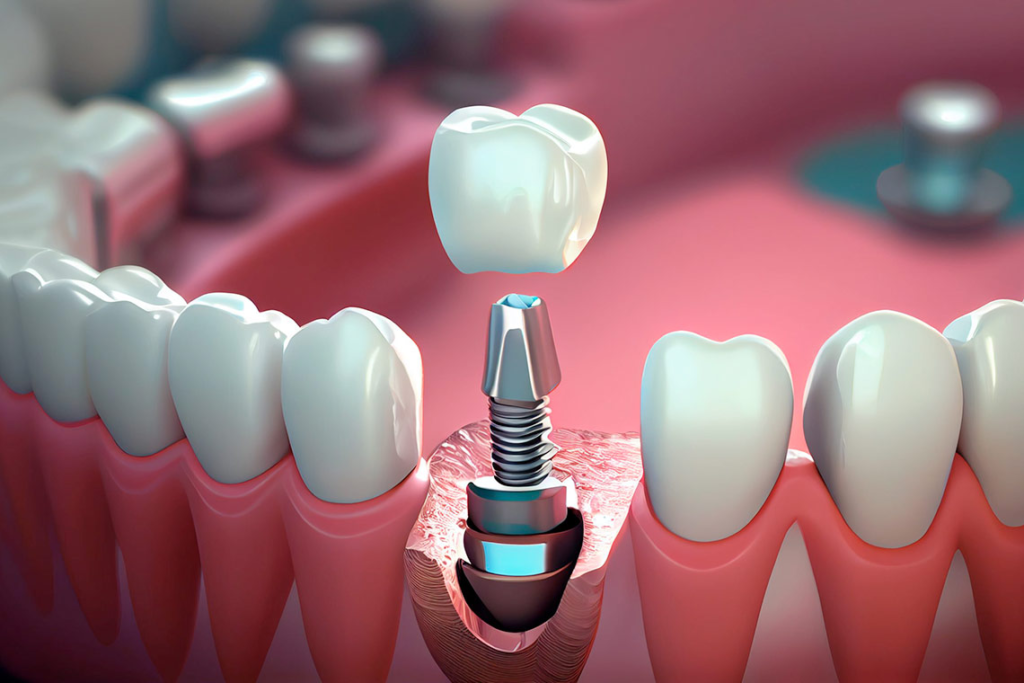
A dental implant is an artificial tooth root placed in the jawbone. It supports a replacement tooth rather than resting only on the gum or depending on neighboring teeth. Most people use the word implant to describe the complete replacement, although the system has separate parts.
The implant body sits within the bone. A connector, called an abutment, joins it to the visible replacement tooth. That replacement may be a crown, bridge, or denture, depending on how many teeth are missing and the treatment plan.
How Dental Implants Support Long-Term Oral Health
Replacing a missing tooth can help restore function while supporting the surrounding mouth. However, different replacement options work in different ways. The main oral health benefits of implants come from their position in the jaw and their ability to support teeth independently.
Help Preserve Bone Around Missing Teeth
After a natural tooth is lost, the bone in that area can gradually shrink. An implant replaces the root within the jaw and transfers chewing forces into the surrounding bone. This can help limit bone loss at the replacement site, although it cannot prevent every cause of bone loss.
Bone health still needs attention after treatment. Infection around an implant can damage the tissues supporting it. Keeping the area clean and attending follow-up visits remain important even when the replacement feels strong and comfortable.
Avoid Reshaping Healthy Neighboring Teeth
A traditional tooth-supported bridge usually requires the teeth beside the gap to be reshaped. These teeth hold the crowns that support the replacement tooth between them. An implant-supported crown generally does not need support from the neighboring teeth.
For someone considering a single tooth implant in Cudahy, this difference is worth discussing. If the teeth beside the gap are healthy, preserving their structure may be a useful benefit. However, a bridge may still be appropriate when those teeth already need crowns or other treatment.
Help Maintain Tooth Position
A gap can allow nearby teeth to move over time. Replacing the missing tooth helps maintain that space and can support a more stable arrangement of teeth. An implant-supported replacement may therefore contribute to keeping adjacent teeth stable.
This does not mean an implant corrects an existing bite problem. If teeth have already moved, the dentist needs to assess their position before planning the replacement. Treatment should consider the whole mouth rather than filling a gap without checking the surrounding teeth.
Provide Stable Support for Chewing
A secure replacement can make chewing more comfortable after healing. Instead of avoiding the missing tooth area, you may be able to use that side more confidently. The benefit depends on the condition of your other teeth and the design of the replacement.
Comfortable chewing also requires the bite to fit properly. A replacement tooth should work with the opposing teeth without creating uncomfortable pressure. Tell your dentist if it feels too high, loose, or painful rather than trying to adjust to ongoing discomfort.
Everyday Benefits of Dental Implants
Long-term oral health matters, but so do ordinary moments such as eating lunch or talking with friends. A well-planned replacement should suit your daily life. Comfort, appearance, and stability are all useful topics to discuss during the consultation.
Greater Comfort During Speech
Missing teeth or moving dentures can affect how some people form sounds. Stable replacement teeth may make speaking feel easier, although speech changes vary between patients. You may also need time to become familiar with the shape and position of a new restoration.
A Natural-Looking Smile
The visible replacement tooth can be designed to suit the surrounding smile. Its size, shape, and shade are considered alongside the gum line and neighboring teeth. The aim is a result that fits your mouth rather than simply placing a white tooth in the gap.
Less Movement During Daily Activities
Fixed implant-supported teeth are designed to remain in place during normal use. Implant-retained dentures can also offer more retention than conventional dentures, though their design and cleaning needs differ. Ask whether the planned replacement is fixed or removable, since both options are sometimes described as implant treatment.
Dental Implants Compared With Bridges and Dentures
Implants are one option among several ways to replace missing teeth. Bridges and removable dentures can also be suitable, depending on oral health, budget, and personal needs. Comparing the practical differences is more useful than assuming one treatment is right for everyone.
| Feature | Implant-supported teeth | Traditional tooth-supported bridge | Conventional removable denture |
| Support | Implants placed in the jaw | Teeth beside the gap | Gums, sometimes with clasps on teeth |
| Neighboring teeth | Usually do not need reshaping for a single crown | Supporting teeth usually need reshaping | Preparation varies by design |
| Cleaning | Around implants and beneath restorations as instructed | Beneath the bridge and around supporting teeth | Removed for cleaning |
| Treatment time | Often includes a healing period lasting months | Usually avoids implant healing time | Depends on extractions and the fitting process |
| Maintenance | Tissue checks and possible restoration repairs | Checks for decay, gum problems, and wear | Fit checks, adjustments, and possible relining |
Bring your priorities to the discussion. Someone concerned about surgery may prefer a different approach from someone seeking a fixed replacement. The decision should account for both the benefits and the care required afterward.
How Long Can Dental Implants Last?
Dental implants can serve for many years, but they should not be presented as a guaranteed lifetime solution. The implant, connector, and crown are separate parts. A crown or another component may need repair or replacement even when the implant remains stable.
Longevity depends on several factors, including oral hygiene, gum health, smoking, and general health. Your willingness to attend maintenance visits also matters. Ask what future repairs could involve and how the treating team will monitor the implant over time.
Who May Be Suitable for Dental Implants?
Suitability depends on the health of your mouth and your ability to heal. A dentist checks the gums, available bone, bite, and remaining teeth. They also review your medical history, medicines, and habits before recommending treatment.
Healthy gum tissues and enough supporting bone are important considerations. Smoking and some health conditions can affect healing or raise the risk of complications. These factors need individual assessment rather than a decision based only on age or the number of missing teeth
What if There Is Not Enough Bone?
Limited bone does not always rule out implants, but it can change the treatment plan. Some patients may need bone grafting or another preparatory procedure. The location and amount of missing bone help determine which options are reasonable.
Ask why an additional procedure is being recommended and how it affects healing time and cost. Also, discuss alternatives if you do not want that procedure. A suitable plan should reflect both clinical needs and your preferences.
What Does Dental Implant Treatment Involve?
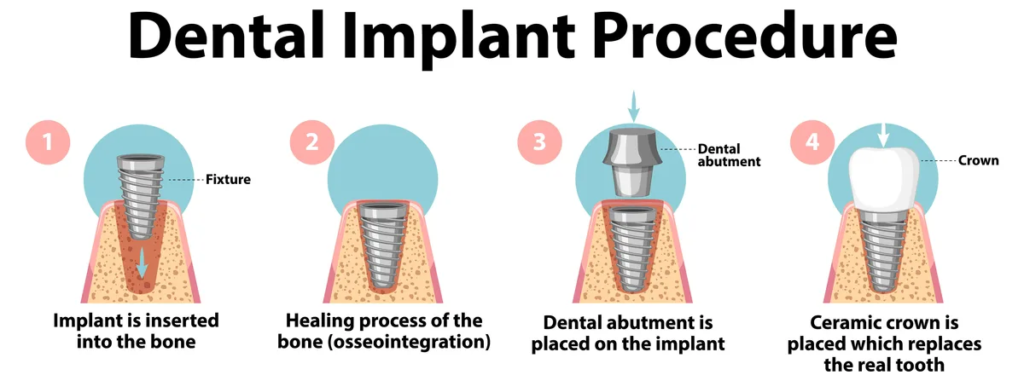
Dental Implant Treatment begins with an examination and a plan for the final replacement tooth. Imaging helps assess the site and nearby structures. The clinician should explain the proposed steps, alternatives, and relevant risks before surgery.
The implant is then placed in the jaw, followed by a period of healing. During this time, bone forms around the implant in a process called osseointegration. Healing may take several months, and the timing differs between patients.
Once the site is ready, the replacement tooth is fitted and the bite is checked. Some treatment stages can be combined in selected cases. However, a faster timetable is not appropriate for everyone, so ask which schedule is suitable for your mouth.
Understanding the Cost of Dental Implants
The Cost of Dental Implants depends on more than the implant itself. Examinations, imaging, surgery, the connector, and the final replacement may be charged separately. Extractions, grafting, or temporary teeth can also affect the total.
Request a written estimate that explains what is included. Check whether follow-up appointments and future maintenance are separate. Comparing complete treatment plans helps you understand the financial commitment more clearly than comparing an advertised starting price.
How to Care for Dental Implants
Daily cleaning remains necessary after treatment. Brush regularly and clean between the teeth using the tools recommended for your restoration. Your dental team should demonstrate how to reach areas around the implant and beneath any connected replacement teeth.
Attend maintenance visits at the interval recommended for your needs. These appointments allow the team to examine the gums, supporting tissues, and restoration. Mention bleeding, swelling, pain, or looseness promptly rather than waiting for the next routine checkup.
When choosing an implants dentist in Cudahy, ask how long-term maintenance is handled. Whether care is provided by South Shore Dentistry & Implants or another practice, you should know who monitors healing and manages later concerns. Clear responsibilities matter when several clinicians are involved.
Risks and Limits to Understand
Implants require a procedure and can have complications. Possible risks include infection, injury to nearby structures, healing problems, and implant failure. Your clinician should explain which risks apply to the planned site and your health history.
Inflammation can also develop around an implant after healing. Early inflammation may affect the gums, while more advanced disease can damage supporting bone. Regular cleaning and examinations help identify changes before they become harder to manage.
If an existing tooth suddenly becomes painful or is damaged, an emergency dentist in Cudahy can assess the immediate problem. Do not assume the tooth needs extraction and an implant. Preserving a treatable natural tooth should remain part of the discussion.
Final Thoughts
Dental implants can offer stable tooth replacement while helping preserve surrounding bone and healthy neighboring teeth. Their value depends on careful planning, suitable conditions, and consistent care. They are an option for missing teeth, not a reason to replace healthy natural ones.
For readers in Cudahy, WI, an informed decision begins with understanding all suitable choices. Consider comfort, cleaning, treatment time, risks, and future maintenance together. The best plan is one that supports your oral health and remains manageable in daily life.
Frequently Asked Questions
Can Dental Implants Get Cavities Like Natural Teeth?
Implants and crowns do not develop cavities, but surrounding tissues can become inflamed. Bacteria may damage the supporting bone if problems go untreated. Daily cleaning and regular dental visits remain necessary to protect the implant and nearby natural teeth.
Can I Get Implants After Years Without Teeth?
Possibly, but the available bone and gum health need assessment. Bone may have changed since the teeth were lost. Some patients need grafting or another approach, so an examination is needed before a dentist can recommend suitable treatment.
Do Dental Implants Need Special Cleaning Every Day?
Implants need daily brushing and cleaning around the restoration. The right tools depend on whether you have a crown, bridge, or denture. Ask your dental team to demonstrate the technique and explain which areas need particular attention.