






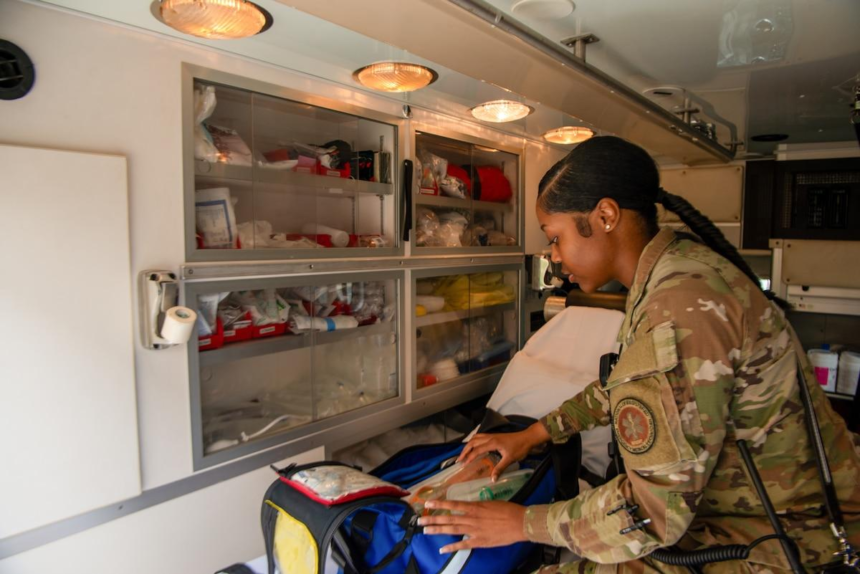
Small emergency medical services (EMS) agencies face a difficult balancing act. Crews must respond to calls, maintain vehicles, check medical equipment, monitor supplies, and complete required documentation. Yet many departments operate with limited personnel and tight budgets. Adding administrative staff is not always realistic. The solution is to make existing inspection processes more organized and efficient.
With the right workflows and EMS readiness software, agencies can simplify routine checks, reduce paperwork, and improve visibility into equipment readiness without increasing headcount. The goal is not to give employees more tasks, but to make essential tasks easier to complete and manage.
1. Standardize Daily Inspection Checklists
One of the simplest ways to save time is to create consistent checklists for every ambulance and shift. Crews should know exactly which items need attention, from vehicle condition and fuel levels to medical equipment, medications, and supply quantities.
Standardized checklists reduce confusion and prevent staff from wasting time figuring out what needs to be checked. They also make it easier for supervisors to identify incomplete inspections and recurring equipment issues.
2. Replace Paperwork with Digital Workflows
Paper forms may seem inexpensive, but managing them takes time. Staff must complete forms, collect signatures, organize documents, and manually review records. Missing entries can create additional work when supervisors need to verify whether an inspection was completed.
Digital inspection workflows allow crews to record results using phones or tablets. Records can be stored automatically, making them easier to access and review. This reduces repetitive administrative work and gives supervisors better visibility without requiring someone to manage stacks of paperwork.
3. Build Inspections into Existing Shift Routines
Inspections are more manageable when they become part of the normal shift handoff rather than a separate administrative responsibility.
For example, outgoing crews can document equipment issues and supply shortages before leaving. Incoming crews can review the information and confirm the unit’s condition before beginning their shift.
This approach helps prevent missed tasks and reduces the need for additional follow-up calls or messages. Clear responsibilities also make it easier to maintain consistency across different shifts.
4. Use Alerts to Catch Problems Earlier
Small agencies cannot afford to spend hours manually checking every inspection record. Automated reminders and notifications can help supervisors identify overdue inspections, equipment problems, and maintenance needs.
When a crew reports a defective monitor or missing medical supply, the appropriate person can be notified promptly. This creates a clearer process for assigning responsibility and following issues through to resolution.
5. Centralize Equipment and Supply Records
When inspection records, inventory lists, and maintenance information are scattered across spreadsheets and paper files, employees spend valuable time searching for details.
A centralized system gives authorized personnel a clearer view of vehicle status, equipment history, and supply levels. It also helps agencies identify recurring shortages and plan restocking before supplies run out.
6. Choose Tools Designed for EMS Operations
Generic spreadsheets and fleet management tools may not cover every requirement of an EMS agency. Purpose-built solutions can bring vehicle inspections, medical equipment tracking, supplies, and other operational records together.
For example, PSTrax EMS software provides inspection and inventory management tools designed for EMS operations, helping agencies organize daily checks, document issues, and monitor readiness.
Final Thoughts
Small EMS agencies do not necessarily need more employees to improve inspection management. They need practical processes that reduce repetitive work, clarify responsibilities, and make important information easier to access.
By standardizing checklists, digitizing records, improving shift handoffs, and using automated alerts, agencies can maintain consistent inspections while allowing staff to focus on patient care and emergency response.