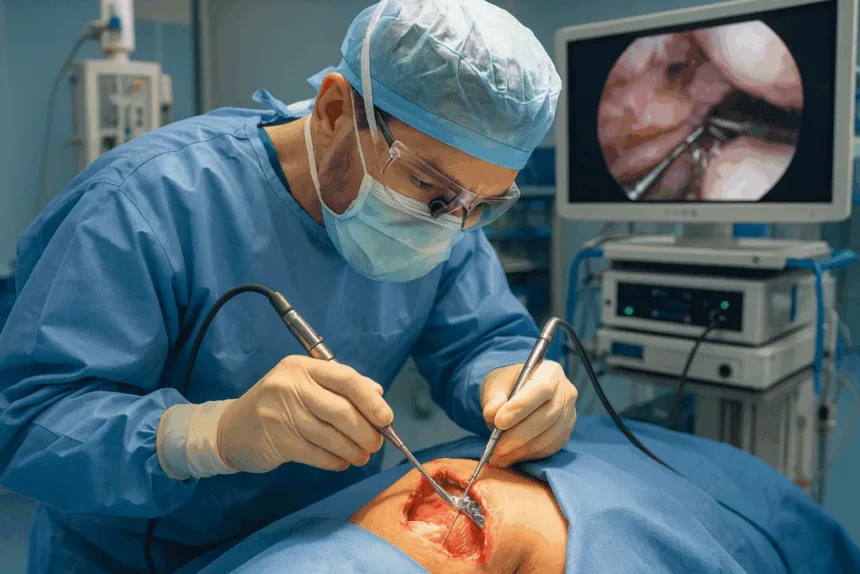
A rotator cuff tear affects the muscles and tendons that stabilize the shoulder and support arm movement. Treatment can include immobilization and physical rehabilitation, while more severe shoulder conditions may require arthroscopic surgery or joint replacement. Because injuries vary in severity, an orthopedic provider evaluates symptoms and shoulder function before developing an appropriate treatment plan. Here is more information about effective treatments for rotator cuff tears:
Diagnosing a Rotator Cuff Tear
A rotator cuff tear may develop gradually from repetitive shoulder movement or occur suddenly after an injury. An orthopedic specialist can evaluate shoulder pain, movement, and other symptoms to identify the source of the problem. Because rotator cuff injuries vary, the evaluation helps guide diagnosis and available treatment options. Common causes include:
- Repetitive shoulder movement
- Falling on an outstretched arm
- Lifting heavy objects
Immobilizing the Shoulder Joint
Immobilization may be part of treatment for certain shoulder injuries, including some cuff tears. A sling or brace can limit shoulder movement while the injured tissues begin recovering. Because injury severity varies, the length of immobilization depends on individual symptoms and evaluation findings.
During this period, patients follow their orthopedic provider’s instructions regarding movement and daily activities. Limiting certain shoulder motions may reduce additional stress on the injured rotator cuff. Follow-up evaluations help determine when rehabilitation or other treatment approaches should begin.
Rehabilitating After Immobilization
Rehabilitation may follow immobilization to address shoulder movement, strength, and flexibility after a rotator cuff injury. Physical therapy can include exercises that gradually increase as shoulder function changes. A rehabilitation program may include:
- Range-of-motion exercises
- Strengthening exercises
- Stretching exercises
Therapy focuses on restoring shoulder function through structured movement and progressive exercises. Because recovery varies among patients, therapists adjust activities according to symptoms and individual progress. Follow-up evaluations also help guide changes throughout the rehabilitation process.
Repairing Tears Through Surgery
Surgery may be recommended for certain cuff tears based on their severity and response to nonsurgical treatment. Arthroscopic surgery can repair damaged shoulder tissues through several small incisions. Because the procedure uses specialized instruments, surgeons access the shoulder joint without a larger open incision.
During arthroscopic surgery, a small camera provides a view inside the shoulder joint. The surgeon uses specialized instruments to examine and repair the damaged tissues. This approach limits disruption to surrounding tissues compared with traditional open surgery.
Treatment decisions depend on the size of the tear, symptoms, shoulder function, and other individual factors. Smaller injuries may respond to immobilization and rehabilitation, while larger tears sometimes require surgical repair. An orthopedic provider evaluates these factors before discussing an appropriate treatment approach.
Replacing the Shoulder Joint
Shoulder replacement may be an option for severe shoulder damage involving the joint or rotator cuff. Reverse total shoulder replacement can change joint mechanics, allowing the deltoid muscle to support arm movement when the rotator cuff is not able to function normally. Because shoulder conditions differ, surgeons evaluate joint health and rotator cuff function before discussing conventional or reverse shoulder replacement.
Schedule a Shoulder Evaluation
Rotator cuff tear treatment varies based on the injury, symptoms, shoulder function, and individual needs. Immobilization and rehabilitation can be treatment options for some rotator cuff injuries. More severe shoulder damage may require arthroscopic repair or shoulder replacement after an orthopedic evaluation. Schedule an appointment with an orthopedic specialist today to discuss your shoulder symptoms and available treatment options.