


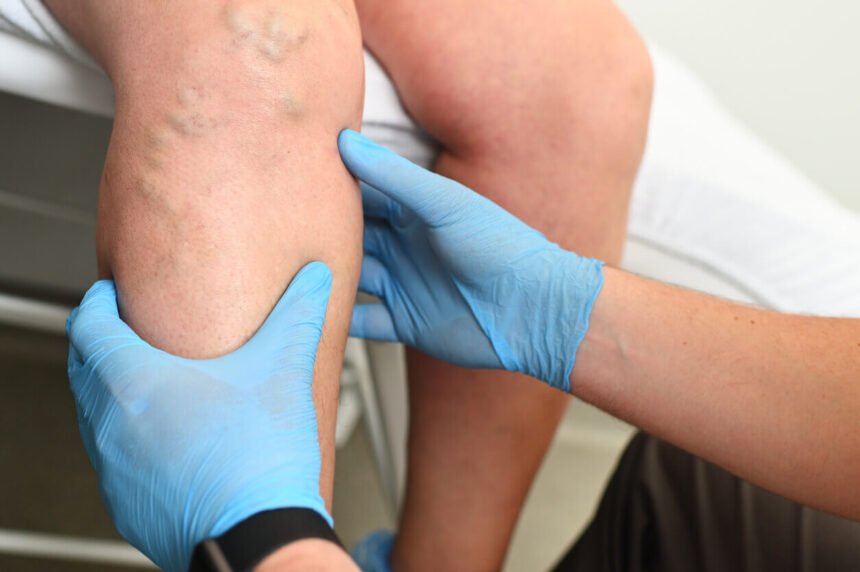
Varicose veins appear as twisted, bulging vessels near the skin’s surface, but clinics offer several treatments, each targeting these veins differently. Since your legs need attentive care, you have options that fit your comfort level. Here are four varicose vein treatment approaches used by trained specialists:
Lаѕеr Ablаtіоn
Endоvеnоuѕ lаѕеr аblаtіоn (EVLA) uses focused heat to close a damaged vein. A specialist inserts a thin fiber, and laser energy seals the vessel from inside. Since the target vein closes, blood reroutes to healthier nearby vessels. This varicose vein treatment happens in-office with local anesthesia.
Recovery is typically quick for most people, and you can walk shortly after. Mild bruising sometimes appears along the treated area. Since the technique is minimally invasive, many clients return to daily routines fast. Your provider gives clear aftercare steps before you leave.
Sclerotherapy Treatment
Sclerotherapy involves injecting a solution directly into smaller veins. The solution irritates the vein lining, and the vessel slowly fades from view. Since it uses fine needles, most people tolerate it well. This approach suits spider veins and smaller varicose veins. Here is what a typical sclerotherapy visit includes:
- Brief consultations to map treatment areas
- Precise injections along the target veins
- Constant compression to support the treated legs afterward
The number of sessions depends on how many veins need attention. Since results develop gradually, you may schedule follow-up appointments. Your provider tracks progress and adjusts the plan as needed.
Radiofrequency Ablation
Radiofrequency ablation heats the vein wall with controlled radio energy. A catheter delivers the energy, and the vein gradually collapses. Since the heat stays targeted, surrounding tissue faces minimal disruption.
Some tenderness occurs, and it typically fades within days. You wear compression stockings after treatment to support healing. Since the method avoids large incisions, scarring stays limited. Your specialist explains what sensations to expect during the visit.
The area treated may feel warm immediately after the session, but this is a normal part of the process. Recovery is simple, and many clients return to regular activities the same day. While the procedure itself is quick and minimally invasive, proper aftercare promotes ideal results and lasting comfort.
Microfoam Treatment
Microfoam treatment delivers a foamed medication into the affected vein. The foam fills the vessel, and it displaces blood for better contact. Since the foam spreads evenly, it reaches irregular vein shapes. Ultrasound guidance helps the specialist place it accurately.
This option typically works for larger veins that resist simpler methods. You typically avoid general anesthesia during the appointment. Since the technique is minimally invasive, downtime stays short for many clients.
A few practical points to prepare you for microfoam treatment:
- Wear loose clothing on the day of your visit
- Arrange compression garments in advance
- Plan light activity, such as walking, afterward
Your specialist reviews your medical history, and then they begin treatment. Since every set of legs differs, your plan reflects your specific veins.
Schedule Varicose Vein Treatment
Choosing the right approach starts with an honest conversation. A trained specialist examines your veins, and together you review suitable options. Since each treatment targets veins differently, personalized guidance matters. Your history, comfort, and goals all shape the recommendation. Reach out today to book your consultation and map a treatment plan.