


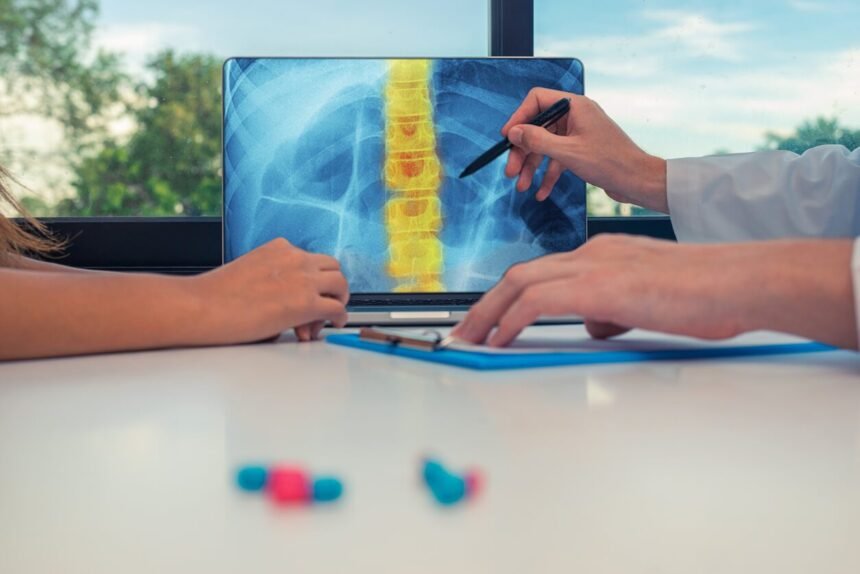
Recovering from a herniated disc varies depending on the severity of the condition, the location of the affected disc, and the treatment approach used. Some patients improve with rest and activity changes, while others may require more advanced care. Here is an overview of the recovery process from a herniated disc:
Managing Pain and Symptoms
The first stage of recovery from a herniated disc focuses on calming discomfort and protecting the affected area. Symptoms may feel sharp at first, but they often ease as the surrounding tissues settle. The following are some common strategies for managing pain:
- Rest with movement: Short rest periods reduce strain, while gentle movement helps prevent stiffness.
- Cold and heat: Cold may limit swelling in the first days, while heat can relax tight muscles afterward.
- Guided pain management: A provider may recommend approaches to control discomfort, and these are often adjusted as symptoms change.
- Activity awareness: Tracking which movements trigger pain helps you avoid positions that irritate the nerve.
- Posture support: Maintaining a neutral spine while sitting or standing lowers pressure on the disc.
Restoring Movement and Strength
Once early symptoms settle, recovery moves toward rebuilding flexibility and support around the spine. Gentle stretching restores range of motion, and targeted exercises strengthen the muscles that stabilize your back. A provider or therapist often guides this phase, because progressing too quickly can strain the healing area.
Strengthening usually starts with low-impact movements, and it advances as your body tolerates more activity. Core muscles receive particular attention, since they help share the load your spine carries each day. When these muscles grow stronger, they reduce pressure on the herniated disc and support better alignment.

Resuming Daily Activities
As strength returns, you can gradually resume the tasks that make up your daily routine. This stage reintroduces normal motion in a controlled and measured way. A provider may suggest starting with lighter duties before you add more demanding work. Rushing this transition can undo earlier progress, so a paced return usually works best. Work, household chores, and exercise each place different demands on your spine. You can modify how you lift, bend, or sit, and these adjustments protect the disc as it continues to heal.
Preventing Disc Problems
Recovery does not end when symptoms fade; ongoing habits help protect your spine going forward. Prevention centers on daily choices that reduce strain and maintain the strength you rebuilt. These habits are key, and they often become part of a long-term routine.
Maintaining Core Strength and Flexibility
Strong, flexible muscles continue to support the spine long after acute symptoms resolve. Regular low-impact exercise can keep these muscles active, and stretching preserves the range of motion you regained. When you skip this maintenance, stiffness and weakness can return over time.
Practicing Safe Movement Habits
How you move each day affects the pressure placed on your discs. Lifting with your legs, keeping objects close to your body, and avoiding sudden twists can reduce risk. Taking breaks from prolonged sitting also keeps your spine from staying in one strained position.
Schedule Your Herniated Disc Appointment
Managing a herniated disc requires a combination of targeted treatments, regular exercise, and safe movement habits. These strategies, such as understanding the available medical options and maintaining a back-friendly routine, promote recovery and prevent further strain. Incorporating these practices can help you alleviate discomfort and support long-term spine health. Contact a qualified pain specialist near you to schedule your herniated disc appointment today.