



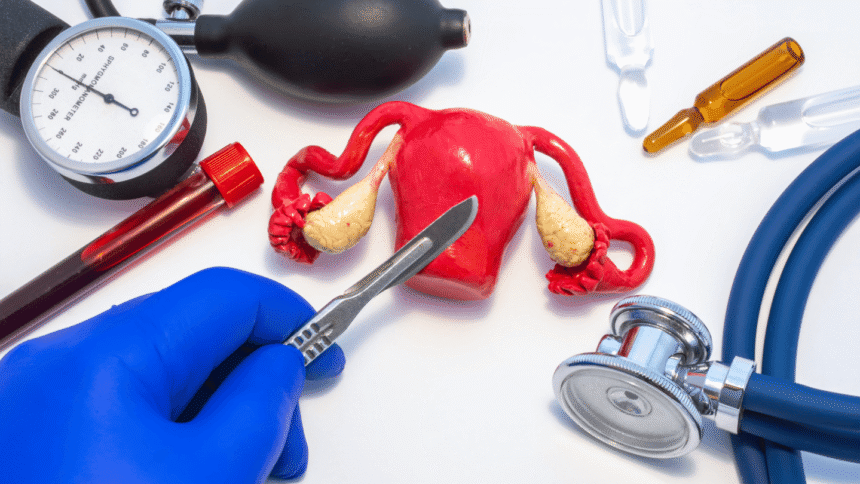
A hysterectomy is a surgical procedure that removes the uterus, and depending on the reason for surgery, a specialist may also remove the cervix, ovaries, or fallopian tubes. A hysterectomy specialist evaluates your medical history before explaining the surgical options available to you and helps you understand what recovery may involve. People get a hysterectomy for conditions like uterine fibroids, endometriosis, chronic pelvic pain, abnormal bleeding, or certain gynecologic cancers. Here’s information on visiting a hysterectomy specialist and how they support their patients through recovery:
Recovering From a Laparoscopic Hysterectomy
A laparoscopic hysterectomy uses small incisions and a thin camera to guide the procedure. Because the incisions are smaller, many patients spend less time in the hospital compared to open surgery. A hysterectomy specialist walks you through what to expect during the days and weeks that follow, including how to care for your incision sites. Your specialist will provide instructions on activity levels, wound care, and signs to watch for as you heal. You may want to ask about lifting restrictions, and your specialist can outline a schedule for gradually returning to daily tasks.
Recovering From an Abdominal Hysterectomy
An abdominal hysterectomy is sometimes chosen when a larger uterus, extensive scar tissue, or other factors make it the more suitable option. This approach involves a larger incision in the lower abdomen by using traditional open surgical methods. Recovery from open surgery takes longer, but a specialist helps you set realistic expectations about your rehabilitation plan.
During recovery, your specialist may review pain management options, incision care, and appropriate movement. They also explain how to recognize changes that may need attention. Because every patient heals at a different pace, your specialist tailors guidance to your situation and helps you plan for time away from work or physical activity. They follow up to confirm you are healing well and to remove any stitches.

Getting Timely Follow-up
Follow-up appointments allow your specialist to monitor your healing, and they’re necessary for laparoscopic and open surgeries. During follow-up visits, they may check your incision sites, review any symptoms you report, and answer questions that have come up since your surgery. Regular contact keeps your recovery on track and helps address concerns early. Your specialist can also discuss lifestyle adjustments during recovery. This may include personalized advice on:
- Getting Enough Rest
- Staying Hydration
- Gradually Returning to Physical Activity
If you experience unexpected symptoms between scheduled visits, reaching out promptly gives your specialist the chance to assess your situation. Timely communication supports a smoother recovery and helps you stay informed at each step. A specialist may also coordinate with other members of your care team when needed; this collaboration helps make sure your recovery plan reflects your overall health. Keeping a written list of questions before each appointment can help you make the most of your time together.
Visit a Hysterectomy Specialist Near You
Recovery after a hysterectomy takes time, but having a knowledgeable specialist by your side can make it more manageable. Whether you have a laparoscopic or abdominal procedure, a hysterectomy specialist offers medical advice for your needs. They provide steady support from your first consultation through your final follow-up visit. If you are getting a hysterectomy, learn more about the recovery process from a specialist today. They can explain your options, describe what recovery may look like, and help you feel prepared for each phase of healing.