




Ankle replacement can restore movement lost to arthritis. The surgery removes damaged joint surfaces, and it replaces them with artificial parts. Follow-up appointments track your progress after surgery, and they help your care team catch problems early while your ankle heals.
Monitoring Your Healing
Follow-up visits let your surgeon check how well your ankle replacement is healing. The team examines the incision at each appointment for infection or delayed closure. They check skin color, warmth, and tissue health around the surgical site. Your surgeon may order X-rays to view the implant and surrounding bone, and compare images over time to track bone integration. Swelling is normal early on, but persistent swelling can signal a concern that needs attention. The team monitors fluid levels and may recommend elevation or compression to manage it. They also assess your range of motion and note any stiffness that limits movement. Your pain patterns are reviewed at each visit, too, since pain changes can show a shift in how the implant is settling.
Managing Your Recovery
Recovery involves more than rest. They also coordinate physical therapy to rebuild strength and range of motion. During these appointments, the team reviews your pain levels and notes patterns that could mean strain or overexertion. They refine your therapy plan so you regain function safely and steadily. Returning to daily activities takes time, but each visit moves you closer to that goal. At each follow-up, your care team addresses several key areas of your recovery:
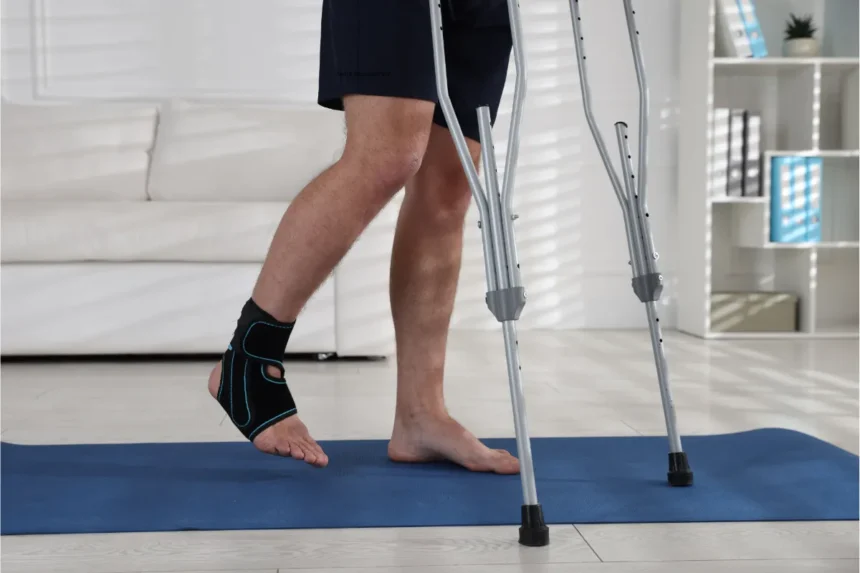
- Weight-bearing status: Crutches or a walker may be needed early on, and your team adjusts your status as healing progresses.
- Therapy goals: Early exercises give way to balance and gait training as your ankle grows stronger and function improves.
- Activity guidance: Your care team provides clear direction on what you can and cannot do between appointments to prevent setbacks.
- Pain patterns: Changes in pain are reviewed to identify signs of strain or overexertion before they affect your progress.
Protecting Your Implant
Follow-up visits help protect that investment. Your surgeon watches for signs of wear, loosening, or infection around the implant, and uses each visit to compare your current status with your baseline. X-rays at scheduled intervals show shifts in implant position or changes in the surrounding bone before symptoms appear. Your surgeon also checks for infection signs, including redness, warmth, or drainage, and acts quickly if any appear. Infection around a joint implant is a concern, but early detection gives your care team the best chance to treat it.

Wear of the implant is another area your surgeon monitors, since excessive wear can affect how the joint moves and feels. Small issues often stay hidden, but routine imaging can reveal them before symptoms start. Your care team addresses related problems, so your whole limb works well. Your implant performs as intended for years.
Schedule Your Ankle Replacement Visit
Regular follow-up supports a lasting result after ankle replacement. Each appointment gives you information and direction. Missing visits can delay recovery, and it will allow small problems to grow unnoticed. Talk with your care team about your follow-up schedule, and keep every appointment so your team can guide your healing while you return to the activities that matter to you.