




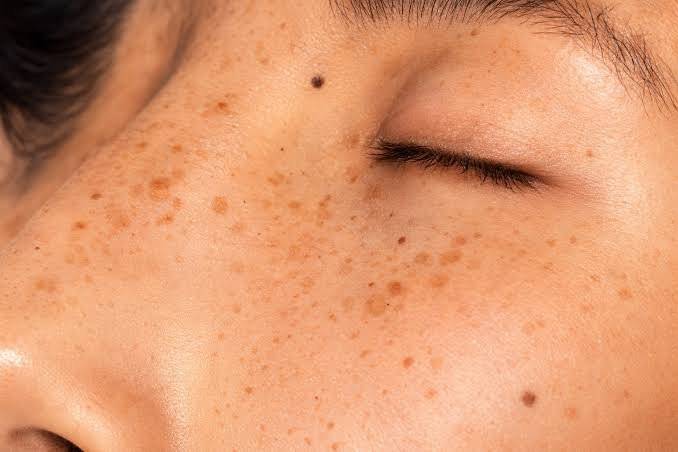
Hyperpigmentation, post-acne scarring, and uneven skin tone represent some of the most common dermatological concerns across Sub-Saharan Africa. In equatorial regions like Zambia, year-round intense UV exposure accelerates melanin production, turning minor acne blemishes or surface skin irritation into long-lasting dark spots. As an expanding middle class across Zambian commercial centers seeks out professional skincare, consumer demand has shifted decisively away from harsh, dangerous bleaching chemicals toward dermatologist-evaluated, science-backed clinical formulations.
To address severe sun-induced pigmentation and post-acne scarring in equatorial climates, retail stockists and pharmacy networks require science-backed, non-bleaching clinical solutions. Through rigorous dermatological testing, SKINLAB provides Zambian beauty distributors and medical clinics with advanced retinoid serums, gentle cleansers, and high-protection SPF50 sunscreens engineered to fade dark spots and restore skin tone safely.
Understanding Hyperpigmentation in High-UV Climates
Treating uneven skin tone effectively in high-sun environments requires understanding how melanin responds to skin injury and solar radiation.
1. Post-Inflammatory Hyperpigmentation (PIH)
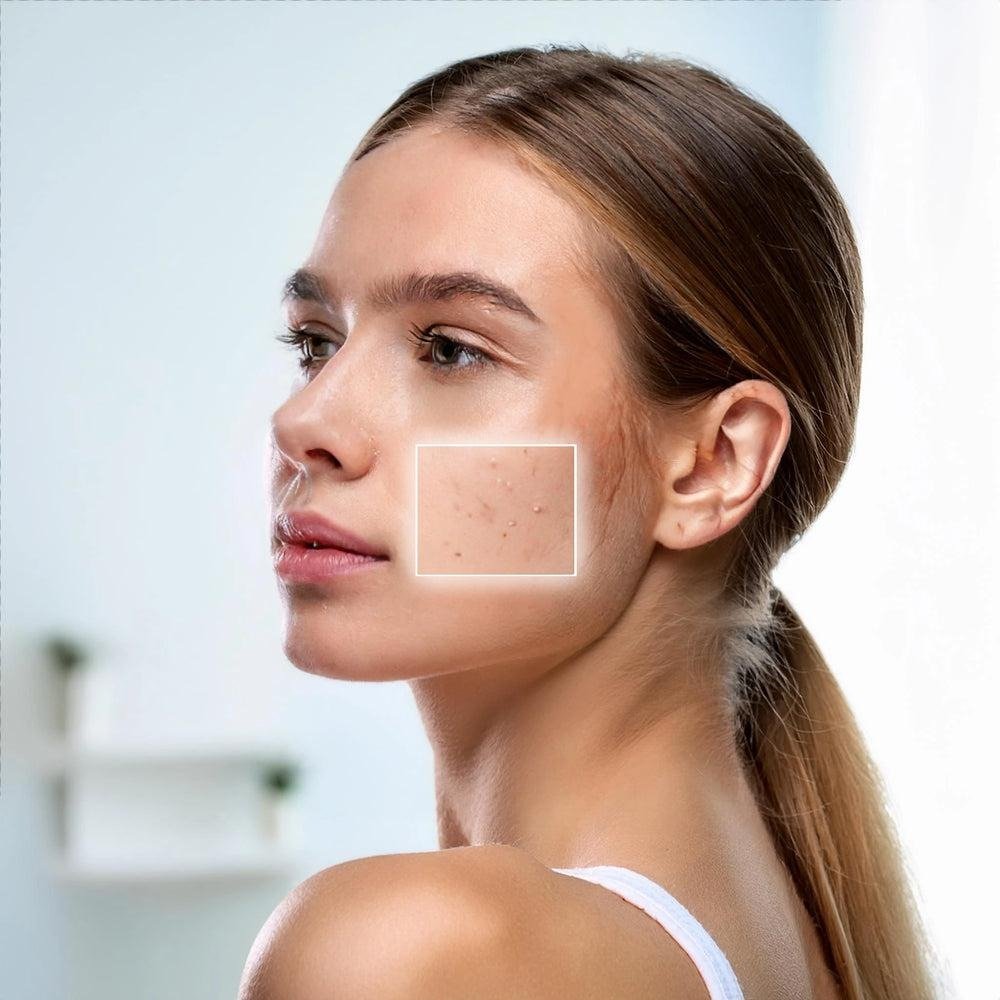
When the skin experiences inflammation—whether from active acne breakouts, allergic reactions, or harsh physical scrubs—melanocytes (melanin-producing cells) enter an overactive state. In darker Fitzpatrick skin types, this inflammatory response deposits excess pigment deep into the epidermal layers, creating dark post-acne marks that linger for months or years.
2. The Solar Acceleration Effect
Unprotected exposure to intense equatorial sunlight magnifies hyperpigmentation. Ultraviolet (UV) rays stimulate melanocytes constantly, darkening existing post-acne marks and preventing natural skin brightening. Without daily broad-spectrum sun protection, active brightening treatments cannot achieve lasting clinical results.
Safe Pigmentation Control: Combining Retinoids with SPF50
Historically, consumers seeking to lighten dark spots turned to unregulated hydroquinone or bleaching creams, which often damaged the skin barrier and caused severe rebound pigmentation (ochronosis). Modern clinical dermatology relies on a much safer, two-step approach:
- Cellular Renewal via Encapsulated Retinoids: Formulations utilizing encapsulated retinol accelerate the skin’s natural cell turnover rate. By gently shedding pigment-laden surface cells and encouraging new cell growth, retinoid serums fade dark spots and refine open pores without stripping or burning the skin.
- Daily UV Defense via Broad-Spectrum SPF50: A high-level sunscreen acts as a protective shield, blocking UVA and UVB rays from triggering melanocyte activity. Daily SPF50 application ensures that while active serums work to fade existing dark spots, new melanin deposits are prevented from forming.
Clinical Evidence for Dark Spot and Acne Control
Zambian pharmacy stockists and aesthetic clinic managers prioritize products backed by documented dermatological trial data.
In 8-week physician-supervised clinical evaluations on combination, acne-prone skin, active retinoid treatments paired with daily SPF50 demonstrated significant clinical progress:
- 50% Blemish Clearance: Active acne breakouts cleared by roughly half within 8 weeks, with zero acne recurrence observed after Week 4.
- Faded Post-Acne Marks: Stubborn post-inflammatory pigmentation faded substantially, resulting in a brighter, calmer, and more uniform skin tone.
- Zero Barrier Damage: The treatment achieved a 5/5 score for redness and sensitivity control, proving that dark spots can be treated effectively without causing skin peeling or barrier inflammation.
Conclusion
Addressing hyperpigmentation in equatorial markets like Zambia requires a commitment to safe, dermatologist-tested clinical skincare. By offering gentle retinoid treatments that accelerate cell renewal paired with daily broad-spectrum SPF50 protection, beauty stockists and medical clinics can offer consumers a safe, effective alternative to aggressive bleaching products. Aligning with an evidence-based clinical brand ensures retail partners across Zambia build long-term trust and steady commercial growth.
Frequently Asked Questions (FAQs)
Why are traditional bleaching creams dangerous for treating dark spots?
Traditional bleaching creams often contain unregulated hydroquinone, steroids, or mercury. These harsh chemicals strip the skin barrier, cause severe skin thinning, and often trigger rebound hyperpigmentation (ochronosis), leaving dark spots worse than before.
How does retinol help fade post-acne dark spots?
Retinol speeds up the skin’s natural cell turnover process. By bringing newly formed, unpigmented skin cells to the surface faster and shedding dead, pigment-heavy surface cells, retinol gradually fades dark spots and evens out overall skin tone.
Why is daily broad-spectrum SPF50 essential when treating hyperpigmentation?
Ultraviolet rays from sunlight stimulate melanocyte cells to produce dark pigment. Even the most effective brightening serums will fail if sunlight continues to trigger melanin production daily. Applying broad-spectrum SPF50 every morning stops UV rays from darkening existing spots or creating new ones.